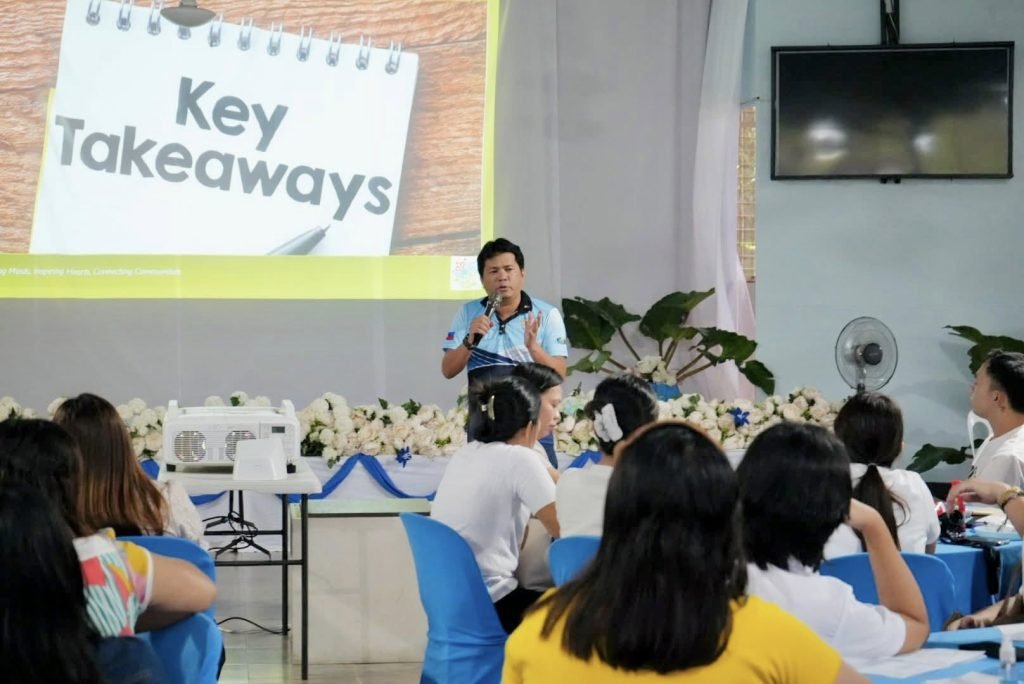
MALAYBALAY CITY, Bukidnon (May 14) — Malaybalay City is betting on emotions as much as academics, rolling out the country’s first local pilot of emotional intelligence (EI) training for teachers and learners in a move officials say could reshape how school-age children cope with stress, relationships, and learning.
The initiative, anchored on Project 12 of the Human Project Foundation, aligns with broader ASEAN wellness goals and puts mental health front and center in classrooms across the city’s public school system.
Held from May 4 to 9, the training brought together teachers from the Malaybalay City Schools Division for workshops on emotional resilience, empathy-building, conflict management, and improving classroom engagement.
‘Emotions matter as much as grades’
Mayor Jay Warren Pabillaran said the pilot responds to growing emotional and behavioral challenges among learners, stressing that education must now go beyond academic performance.
“It is high time we give equal weight to students’ emotional development alongside academic growth,” he said, noting the program was funded through a supplemental city budget.
For local officials and educators, the goal is not just better classroom behavior — but long-term impact on how children understand and manage their emotions as they grow.
Early intervention for school-age learners
Education stakeholders behind the program say the biggest payoff is expected among school-age children who are still forming coping skills, decision-making habits, and social behavior patterns.
By training teachers to identify emotional distress early, the program aims to reduce classroom conflict, improve focus, and help prevent small behavioral issues from escalating into long-term learning barriers.
Project 12 founders Joshua Pilapil and Caroline Pilapil said the model—first implemented in 59 schools in the United States—is designed to build emotional awareness alongside academic discipline.
“Students who manage emotions and build healthy relationships are better prepared for challenges in and out of school,” they said, adding that Malaybalay marks the program’s first rollout in the Philippines.
Teachers see shift in classroom dynamics
Teachers who completed the sessions said they expect noticeable changes in how students respond to stress, peer pressure, and classroom interactions once the program is fully embedded.
Airport Village Elementary School teacher Jean L. Bajala said the training is already changing how educators approach student behavior.
She said the program helps teachers move from discipline-only responses to more supportive, emotionally aware interventions.
City officials said the pilot could become a template for other local governments if early outcomes show improvements in student behavior, attention span, and overall classroom well-being.
For Malaybalay, the expectation is clear: a generation of learners who are not only academically prepared, but emotionally equipped to navigate life inside and outside school.