MANILA (May 28) — The International Criminal Court is moving with increasing urgency in the case against former president Rodrigo Duterte, signaling its intent to fast-track proceedings even as questions over his health, expanding allegations, and mounting procedural tensions threaten to complicate one of the tribunal’s most politically explosive prosecutions in years.
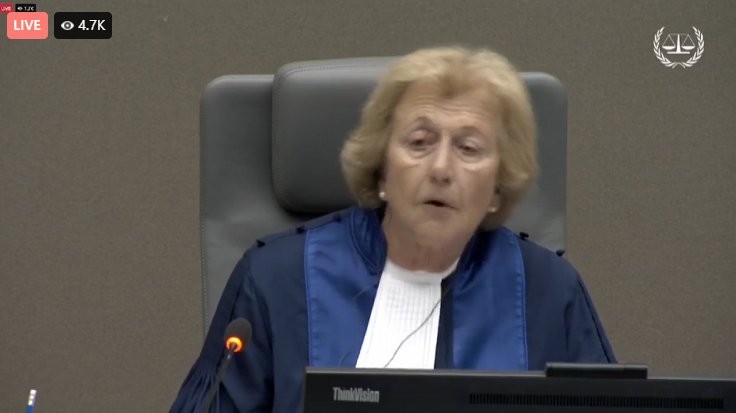
At Wednesday’s first status conference, ICC Presiding Judge Joanna Korner made clear that time is now a central factor in the case.
Duterte’s age and medical condition, she said, could directly affect the structure, pace, and even viability of future trial proceedings — prompting the chamber to order a fresh medical assessment to determine whether the former president remains fit to stand trial.
The move came after Duterte’s defense team sought a separate health evaluation beyond earlier examinations conducted during confirmation proceedings.
“The chamber is obliged to make a separate finding on that issue,” Korner told lawyers, indicating that the same panel of medical experts would likely be tasked to re-examine Duterte.
Behind the procedural language, however, was a deeper sense of urgency.
Korner openly acknowledged that the court may have limited time and flexibility if Duterte’s condition deteriorates, hinting at possible shortened hearing weeks and adjustments to the eventual trial calendar.
“At the moment it’s difficult to set a schedule for trial until we’ve had an up-to-date report,” she said.
The hearing revealed a prosecution team eager to push the case forward aggressively.
ICC prosecutors proposed opening trial proceedings by Nov. 30, 2026 — a timeline that immediately drew resistance from Duterte’s lawyers, who argued that the defense is still overwhelmed by the continuing disclosure of evidence.
But even more contentious was the prosecution’s disclosure that investigations remain ongoing and that additional incidents tied to Duterte’s anti-drug campaign may still be added to the charges.
For the defense, that raised alarms over what they described as a potentially expanding and unmanageable prosecution.
Defense lawyer Peter Haynes warned the chamber that the case risks spiraling beyond control if prosecutors continue widening its scope while simultaneously pressing for an accelerated timetable.
The judges appeared aware of the tension.
In response, the chamber signaled it would likely impose a hard deadline — possibly by the end of August — for prosecutors to seek the inclusion of any new incidents.
The issue cuts to the heart of a growing legal and political debate surrounding the ICC case: whether prosecutors are still building the architecture of the case even as they push toward trial.
Meanwhile, another major fault line emerged around witness protection and victim participation.
Prosecutors disclosed that they aim to reveal the identities of all witnesses by the end of September, though additional witnesses may still be introduced later.
At the same time, lawyers representing victims said interest in participating in the case continues to swell, arguing that the killings currently listed in the charges represent only a fraction of the alleged abuses linked to Duterte’s war on drugs.
“Victims are very interested in this case,” victims’ counsel Paolina Massidda told the chamber.
Defense lawyers pushed back sharply, warning against opening the proceedings to “thousands and thousands” of applicants who may ultimately fall outside the final scope of any conviction.
The exchanges exposed the enormous scale — and political sensitivity — of the case now unfolding before the Hague-based tribunal.
For years, Duterte’s anti-drug campaign was defended by supporters as a necessary crackdown on criminality. Critics, however, described it as a systematic campaign of extrajudicial killings that disproportionately targeted the poor.
Now, the ICC appears intent on moving decisively toward trial — even as prosecutors continue building the case, victims continue stepping forward, and Duterte’s legal team raises growing concerns over due process, fairness, and the former president’s physical condition.
In an unusual moment during the proceedings, Korner also addressed concerns about impartiality inside the tightly connected world of international criminal law.
Acknowledging prior professional relationships with lawyers on both sides, she stressed that there would be “no discussion whatsoever” about the case outside formal court proceedings.
The statement underscored the extraordinary scrutiny now surrounding every stage of the Duterte case — a prosecution that could redefine not only accountability for the Philippines’ drug war, but also the ICC’s credibility in pursuing former heads of state accused of crimes against humanity.