DAVAO CITY (June 17) — As thousands of families across Mindanao struggle with damaged homes, disrupted services, and the trauma of a devastating earthquake, authorities are confronting a second challenge: keeping communities safe amid prolonged power outages and ongoing emergency conditions.
The Philippine National Police (PNP) has intensified patrol operations across earthquake-affected areas in Regions 11 and 12, deploying additional personnel to neighborhoods, business districts, fuel stations, automated teller machine (ATM) sites, and other critical facilities vulnerable to security threats during extended blackouts.
The move comes as several provinces continue to experience unstable power supply following the magnitude 7.8 earthquake that struck southeastern Mindanao on June 8.
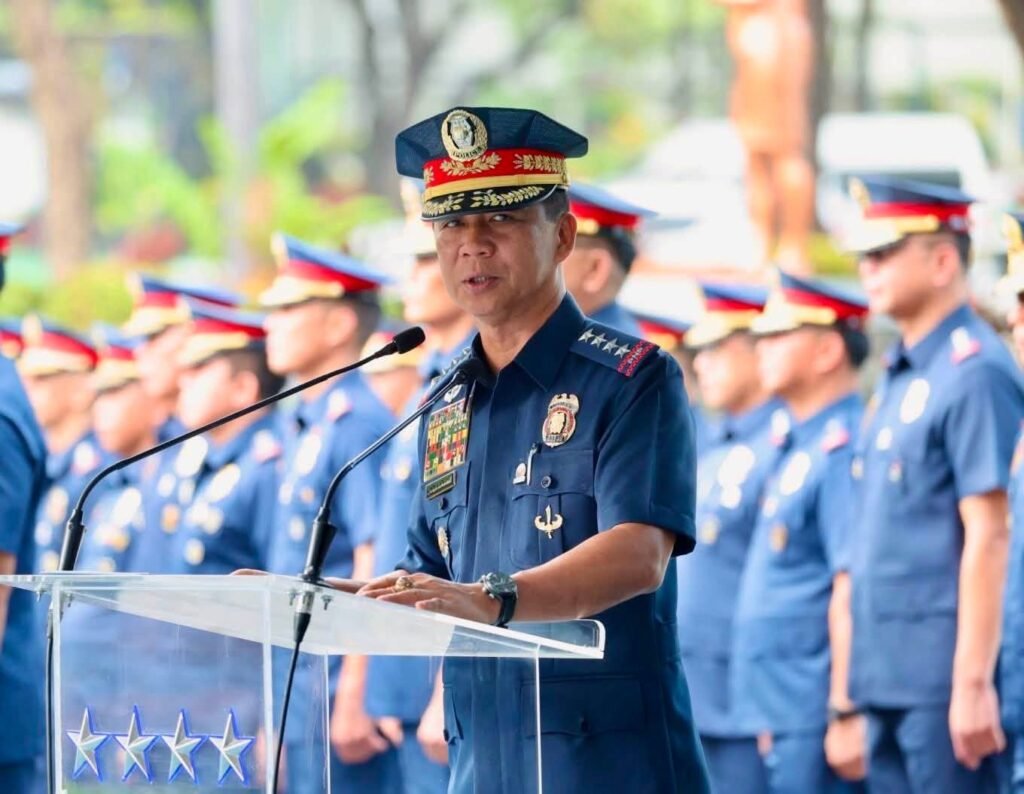
PNP chief Gen. Jose Melencio Nartatez Jr. said police visibility operations have been strengthened through mobile patrols, foot patrols, and coordination with local government units.
“Our objective is to reassure residents of the presence of their police not only for their safety but also for response to any request for assistance,” Nartatez said.
When Disaster Creates Security Risks
Natural disasters often create conditions that increase public vulnerability.
Power outages can leave neighborhoods dark and isolated, communication systems disrupted, and businesses exposed to theft or looting. Fuel stations, banks, relief warehouses, and evacuation centers become particularly sensitive areas requiring additional protection.
While authorities have not reported widespread criminal activity following the earthquake, security experts note that preventive measures are critical during the recovery phase.
In many disasters, the fear of crime can spread faster than actual incidents, creating additional anxiety among already distressed communities.
Visible police presence, therefore, serves both a security and psychological function—deterring potential criminal activity while reassuring residents that public order is being maintained.
Communities Under Strain
The Office of Civil Defense reported that the earthquake has claimed 65 lives, injured around 1,400 people, and left dozens still missing.
Beyond the casualty figures, the disaster has disrupted daily life across several provinces, including Davao Occidental, Davao Oriental, Davao del Sur, South Cotabato, Cotabato, Sultan Kudarat, and Sarangani.
Many families continue to face uncertainty as they wait for power restoration, inspect damaged homes, and seek assistance for lost livelihoods.
For residents living in evacuation centers or temporary shelters, security concerns extend beyond criminal threats. Women, children, older persons, and persons with disabilities often face heightened risks during displacement, including inadequate lighting, limited privacy, and restricted access to essential services.
Humanitarian groups have repeatedly emphasized that disaster response should include both physical relief and protection measures for vulnerable populations.
Balancing Security and Humanitarian Response
The intensified police deployment highlights an often-overlooked aspect of disaster management: maintaining public safety while supporting humanitarian operations.
Police officers are increasingly expected to perform multiple roles during emergencies—providing security, assisting evacuations, facilitating relief distribution, directing traffic, and responding to public concerns.
However, community leaders stress that security efforts must be accompanied by transparent communication and close coordination with local governments and civil society organizations.
In disaster situations, public trust becomes one of the most important resources available to authorities.
Residents are more likely to cooperate with safety measures and report concerns when they feel informed and protected.
The Recovery Challenge
As power restoration and relief operations continue, authorities face the longer-term task of helping communities transition from emergency response to recovery.
The earthquake exposed not only the vulnerability of infrastructure but also the importance of preparedness systems capable of addressing multiple challenges at once—from rescue operations and healthcare needs to public security and social protection.
For many communities, the presence of police patrols offers reassurance that government institutions remain operational during a period of uncertainty.
Yet residents also recognize that true recovery will depend on more than security alone. Restoring electricity, rebuilding homes, reviving livelihoods, and supporting affected families remain urgent priorities in the weeks and months ahead.
As Mindanao begins the difficult process of rebuilding, the challenge for government agencies will be ensuring that safety, relief, and recovery efforts move forward together, helping communities regain not only physical stability but also confidence in the future.