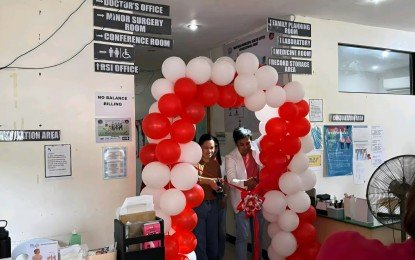
CAGAYAN DE ORO CITY (June 22) — Health officials in Northern Mindanao are calling for the establishment of more HIV treatment facilities across cities and municipalities, saying wider access to services and stronger public education are crucial in addressing the region’s growing healthcare needs and persistent stigma surrounding HIV.
The Department of Health in Northern Mindanao (DOH-10) reported that the region now has 18 HIV treatment hubs, expanding the reach of testing, treatment, and support services for people living with HIV (PLHIV).
During a media briefing on Friday, Dr. Ronald Romano, chairperson of the City Health Office’s HIV and AIDS Core Team, urged local government units to establish their own treatment facilities so patients can access care closer to home.
“DOH has encouraged our municipal health offices and city health offices to establish their own treatment facilities,” Romano said.
According to DOH-10, Misamis Oriental now has two treatment hubs following the opening of a facility in Manticao in December 2025. Cagayan de Oro City hosts four treatment hubs, three of which are government-operated. Every province in Northern Mindanao, including Iligan City, now has at least one treatment center.
Bringing Healthcare Closer
Health officials said increasing the number of treatment hubs helps remove barriers that often prevent individuals from seeking care, particularly those living far from urban centers.
Accessible treatment is critical because HIV is now considered a manageable chronic condition for individuals who receive proper medical care and consistently take antiretroviral therapy (ART).
Regular treatment allows people living with HIV to stay healthy, remain productive, and significantly reduce the risk of transmitting the virus.
Stigma Still a Major Challenge
Despite improvements in treatment and care, misinformation about HIV continues to discourage some people from getting tested or accessing services.
Romano said many members of the public still mistakenly believe that people living with HIV pose a threat to others, even when they are undergoing treatment.
Health experts emphasize that individuals who take their antiretroviral medications daily and maintain an undetectable viral load can live normal lives, including having families whose members remain HIV-free.
“The challenge is helping people understand that HIV is manageable and that people living with HIV deserve support, not discrimination,” health advocates say.
Expanding Treatment, Protecting Lives
The Philippines continues to face a rising number of HIV cases, making early testing and treatment increasingly important.
According to health officials, about 95 percent of people living with HIV enrolled in treatment programs are adhering to their daily medications, a key factor in maintaining their health and preventing complications.
Government support has also expanded access to care.
The Philippine Health Insurance Corporation (PhilHealth) covers HIV testing, medical consultations, and antiretroviral therapy, including for non-paying members, helping reduce the financial burden on patients.
Beyond Medicine
Advocates say the response to HIV must go beyond medical treatment.
Addressing stigma, discrimination, and misinformation remains essential to encouraging more people to know their HIV status and seek care without fear.
Public health workers stress that communities play a vital role in creating supportive environments where people living with HIV can access services, continue treatment, and live with dignity.
As Northern Mindanao expands its network of treatment facilities, health officials hope more local governments will invest in community-based HIV services and awareness programs, ensuring that healthcare is accessible to everyone regardless of where they live.
For health authorities, the goal is clear: bringing services closer to communities while breaking down the stigma that continues to stand between many Filipinos and the care they need.