Proposed pact would widen Manila’s military partnerships as tensions rise in the South China Sea
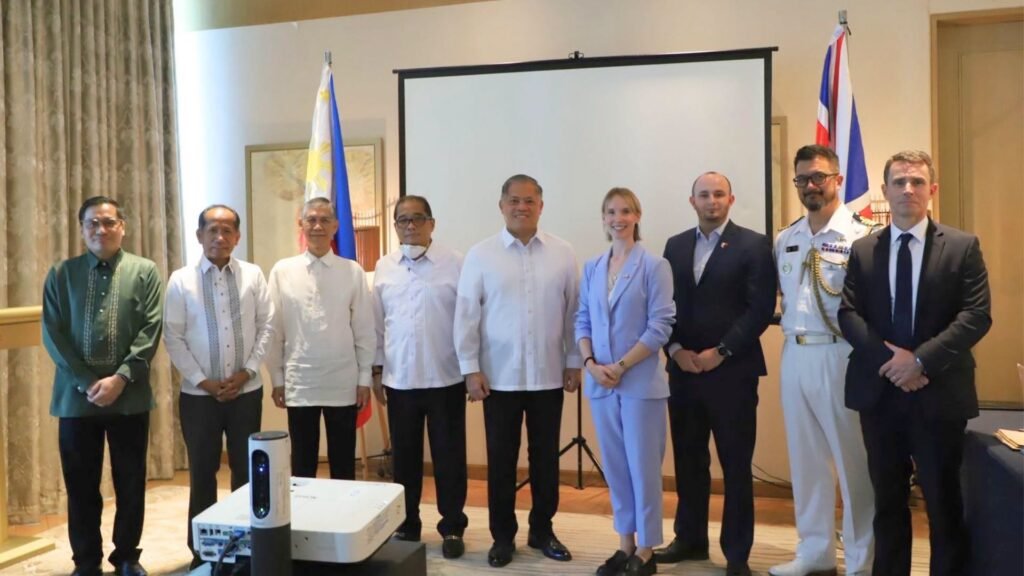
Photo: British Embassy Manila
MANILA (August 31) — The Philippines and the United Kingdom have begun negotiating an agreement that could allow their troops to train, exercise and carry out other military activities in each other’s territory.
The first formal talks on the proposed Status of Visiting Forces Agreement, or SOVFA, were held Thursday, Aug. 27. The negotiations come as the Philippines seeks stronger military partnerships amid repeated confrontations with Chinese vessels in the South China Sea.
For communities, the agreement could affect more than military planning. It may shape how often foreign troops enter the country, where exercises are held, what activities they can conduct and which country has legal authority if a visiting service member is accused of wrongdoing.
A SOVFA typically sets rules for foreign military personnel, including entry and departure procedures, legal jurisdiction and the conditions governing training, exercises and humanitarian missions.
Salvador Melchon Mison Jr., undersecretary for acquisition and resource management at the Department of National Defense, led the Philippine delegation. Amy Senior, head of the Indo-Pacific region at the United Kingdom’s Ministry of Defence, led the British team.
Mison said Manila welcomed Britain’s support for the Philippines’ position on maritime rights and international law.
“We appreciate the UK’s unqualified support as a like-minded partner in upholding the rules-based international order and preserving freedoms ensured by the 1982 United Nations Convention on the Law of the Sea,” he said in a statement.
More partners, more questions
If completed, the agreement would make Britain the Philippines’ second SOVFA partner in Europe, after France signed a similar pact with Manila in March.
The Philippines already has visiting forces agreements or comparable defense arrangements with the United States, Australia, Japan, New Zealand and Canada.
Britain proposed the agreement in September 2025, when then Minister of State for Defence Lord Vernon Coaker visited Manila and delivered a letter from UK Defence Secretary John Healey to Philippine Defense Secretary Gilberto Teodoro Jr.
The talks are part of Manila’s broader effort to deepen military cooperation with other countries as tensions continue in the South China Sea.
Chinese Coast Guard patrols around Scarborough Shoal have increased this year. Philippine and Chinese forces also faced three confrontations in one week in July near Scarborough Shoal and Ayungin Shoal.
China continues to reject the 2016 arbitral ruling that dismissed its expansive claims over much of the South China Sea. The Philippines has relied on the ruling to support its maritime claims and challenge Chinese actions in areas it considers part of its exclusive economic zone.
For the Philippine government, agreements with foreign partners can provide military training, equipment support and greater coordination during security or humanitarian operations.
But the growing number of agreements also raises concerns. Critics may ask whether repeated foreign military exercises could increase tensions, expose local communities to security risks or make the Philippines too dependent on outside powers for its defense.
The final text of the pact will be important. Communities and lawmakers will likely want clear answers on where foreign troops may operate, what activities are allowed, how incidents will be investigated and whether Philippine courts will retain authority over offenses committed in the country.
Until those details are made public, the proposed agreement remains more than a diplomatic gesture. It is also a decision about foreign military access, national sovereignty and the risks ordinary communities may face as the Philippines expands its defense partnerships.