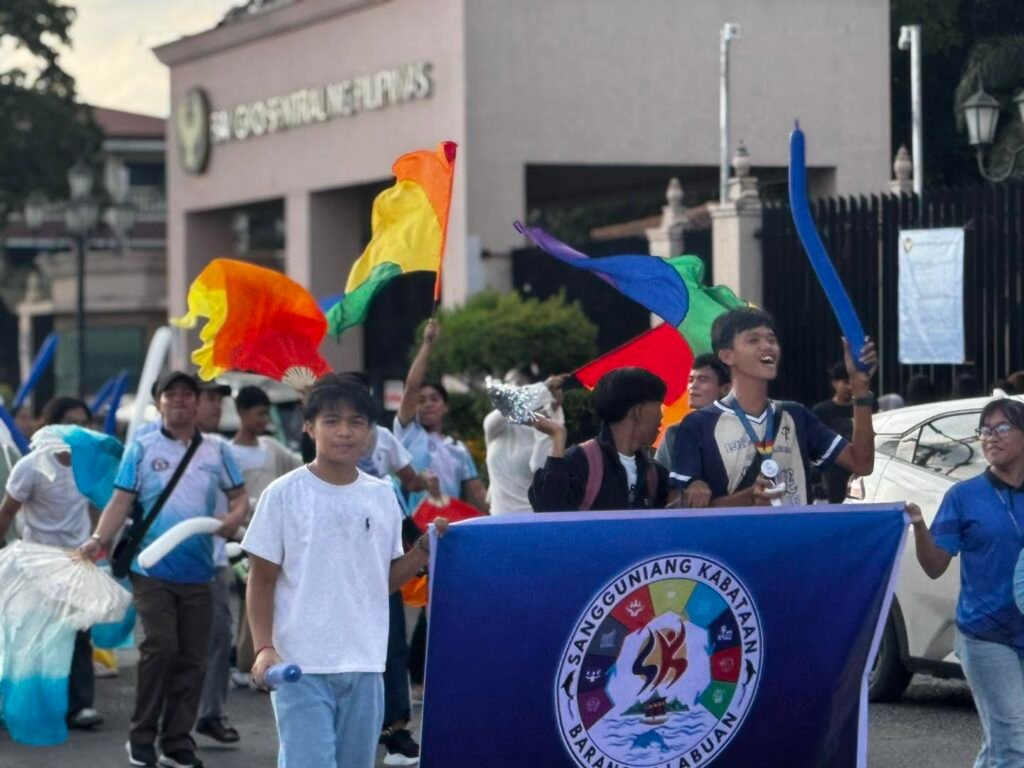
ZAMBOANGA CITY (September 1) — For many young people, having a government program is not enough. They need access to education, decent work, capital, health services and a meaningful voice in decisions that affect their future.
These concerns are at the center of the Zamboanga City Government’s Local Youth Development Plan (LYDP) 2026–2028, which prioritizes education, employment, entrepreneurship, health and youth participation.
Assistant City Administrator and concurrent Local Youth Development Officer Christian Olasiman said the three-year plan was developed through consultations with the Local Youth Development Council (LYDC), which brings together more than 60 youth organizations representing different sectors and advocacies in the city.
One of the major initiatives is the Road to 3E program, which focuses on education, employment and entrepreneurship for out-of-school youth (OSYs).
The city is working with the Public Employment Service Office (PESO), Department of Labor and Employment (DOLE) and other partner agencies to provide skills training, micro-credentials, job preparation and employment opportunities.
But the program also recognizes a reality that often gets overlooked in youth development programs: not every young person who leaves school will immediately return to formal education or find a job.
For these young people, entrepreneurship is being promoted as another route toward earning an income.
“We need to find entrepreneurial opportunities for them so that even in their own backyards or in front of their homes, they can start a business,” Olasiman said.
The approach, however, also raises a larger question about whether entrepreneurship programs can provide a genuine alternative to decent employment or merely become a fallback for young people who cannot find jobs.
To address this, the city is developing the Youth Negosyo Lab, which will train youth organizations in preparing business plans. Feasible proposals will be assessed, with selected groups receiving cash prizes that could serve as seed capital for their proposed businesses.
Access to capital could help young entrepreneurs get started, but sustaining a business will require more than seed money. Young people will also need mentoring, markets, financial management skills, affordable financing and continuing support after the initial funding is released.
For out-of-school youth in particular, the challenge is also to ensure that skills training leads to actual employment or sustainable income, rather than certificates that do not translate into better economic opportunities.
The Local Youth Development Office is also expanding programs focused on youth health and well-being, including mental wellness, suicide prevention, adolescent and reproductive health and road safety.
These areas are significant because young people’s ability to study, work and participate in their communities is closely tied to their physical and emotional well-being.
Beyond livelihood and health programs, the city is also seeking to give young people a stronger voice in local governance.
Through Speak Out Zambo, a youth forum, participants can raise concerns and engage directly with government offices and resource persons.
Such platforms can provide young people an avenue to move beyond being recipients of government programs and become participants in shaping them.
The challenge, however, is to ensure that youth participation does not stop at consultations.
With the LYDP covering the next three years, its effectiveness will ultimately depend on whether young people—particularly those who are out of school, unemployed, from low-income households or otherwise excluded from opportunities—actually gain access to education, decent work, sustainable livelihoods and decision-making spaces.
For Zamboanga’s youth, the success of the plan should therefore not be measured simply by the number of activities conducted or participants reached.
It should be measured by how many young people move from being beneficiaries to becoming economically secure, healthy and empowered members of their communities.