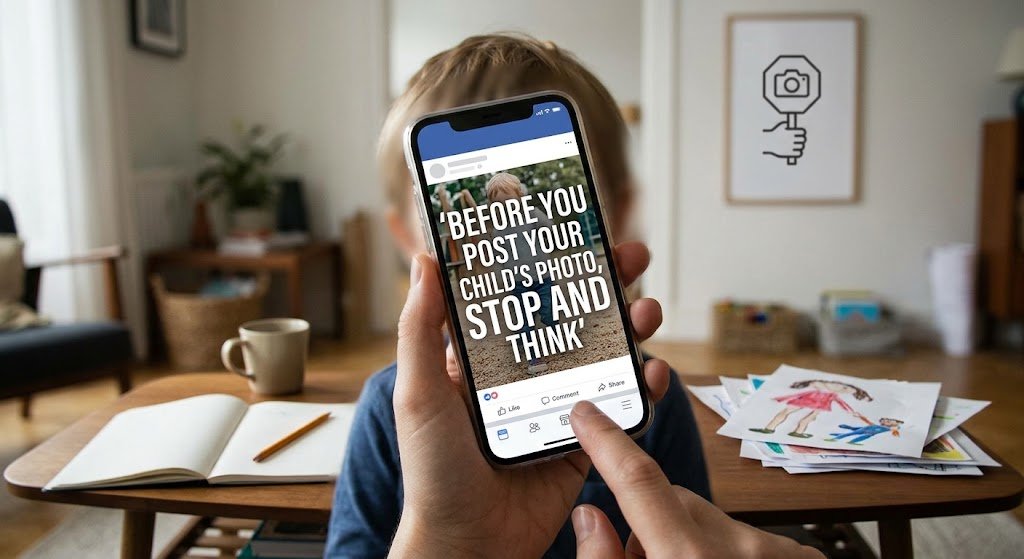
MANILA (September 14) — That proud photo of your child receiving an award. A birthday video. A school performance uploaded for relatives to see.
They may look harmless.
But once posted online, a child’s photo, video or personal story can travel far beyond the people a parent intended to reach—and may be copied, reshared or used in ways the child never expected.
This is the growing media reality facing Filipino children, according to consultations conducted by the Council for the Welfare of Children (CWC) with children, parents, caregivers and child-protection workers in different parts of the country.
From July to August 2026, CWC, in partnership with the Consuelo Zobel Alger Foundation, held consultations in the National Capital Region, Region II, Region VII and the Bangsamoro Autonomous Region in Muslim Mindanao.
The discussions focused on issues increasingly familiar to families: consent, privacy, oversharing, digital footprints, online safety, content creation and children’s participation in media.
The danger can start with a simple post
A parent shares a child’s achievement.
A friend uploads a group photo.
A content creator asks a child to appear in a video.
Or a young person posts something without fully understanding who might see it—or where the material could eventually end up.
The problem is that children do not always have the power or information to control what happens to their images and stories once these enter the digital world.
For parents, that means an important question should come before pressing “post”:
Does my child understand—and agree to—what I am sharing?
And even when a child says yes, adults still have a responsibility to consider whether the post could expose the child to embarrassment, bullying, exploitation, unwanted attention or other risks later.
Children need a voice—not just protection
The CWC consultations are helping develop a Media Empowerment Guide designed to help children participate in media without sacrificing their privacy, safety and dignity.
The proposed guide will help children understand their rights, boundaries, consent and safety when dealing with media.
It will also help parents and caregivers make more informed decisions when creating or sharing content involving children.
For local child-protection councils and other duty bearers, the guide is intended to provide practical support in raising awareness, building capacity and helping families deal with media-related risks.
The goal is not to shut children out of the media.
It is to make sure children are not treated merely as content.
Children can create, speak, perform, report, express opinions and participate in media. But they need adults and communities that understand the difference between giving children a platform and exposing them to unnecessary risk.
The CWC initiative complements its 2024 Guide for Media Practitioners in the Reporting and Coverage of Children, extending the child-protection conversation beyond journalists and newsrooms to the people who increasingly create and share content every day: parents, children, schools, communities and online users.
In a world where almost anyone can become a content creator, protecting children online can no longer be left to media professionals alone.
Sometimes, child protection begins with the decision not to post.