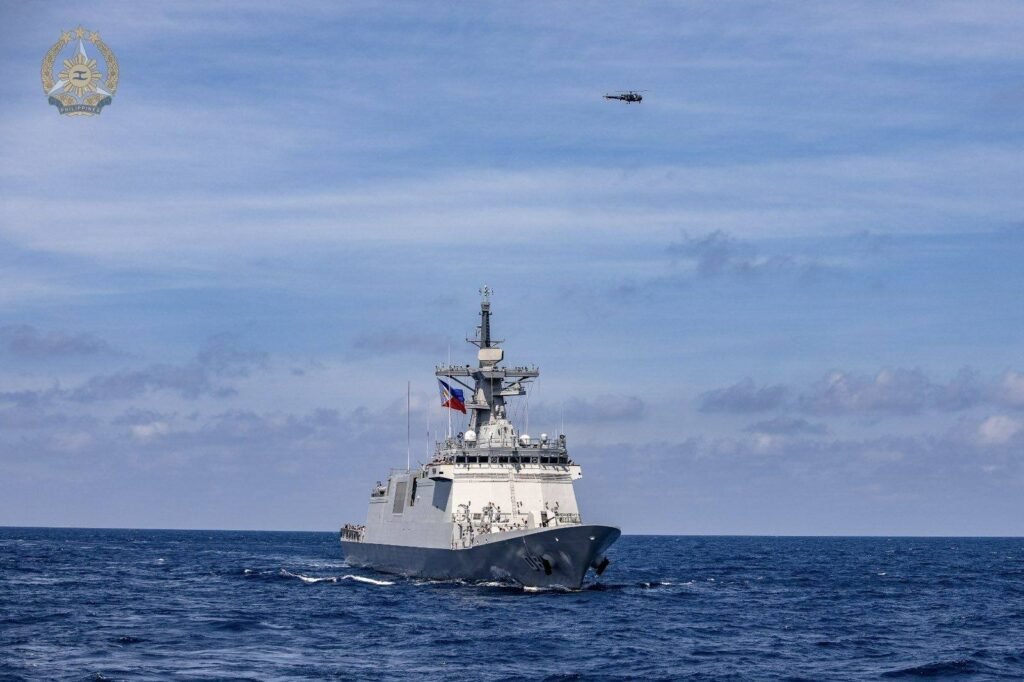
CAGAYAN DE ORO CITY (March 26) — What may have looked like a routine joint military exercise at the Lumbia Air Force Base was, in fact, a crucial test of how the Philippines responds to emergencies — both natural and man-made.
The 2026 PH-US Balikatan exercises, which wrapped up on Monday after two weeks of training, focused not only on territorial defense but, critically, on disaster response and logistics — an area where the country faces frequent challenges.
Lt. Col. Patrick Martinez, who oversaw Philippine Army participation, said the drills strengthened interoperability between local troops and US forces, simulating rapid deployment of resources during emergencies. “The training ensures that when disasters strike, communities get help faster and more efficiently,” he said.
Strategic Context: Military Cooperation and Disaster Vulnerability
Northern Mindanao, including Cagayan de Oro, lies in a region prone to typhoons, floods, and other natural hazards. Previous disaster responses have revealed gaps in coordination, logistics, and resource mobilization.
Balikatan’s 2026 exercises directly address these vulnerabilities. While the military collaboration has a defense component, the drills place heavy emphasis on humanitarian assistance and disaster relief (HADR), ensuring that military assets can be rapidly mobilized to civilian populations when crises strike.
The exercises also reflect ongoing commitments under the 2014 Enhanced Defense Cooperation Agreement, which allows US forces to operate alongside Philippine units in designated bases, strengthening strategic partnerships while avoiding permanent foreign troop stations. Lumbia Airport was selected for its infrastructure and strategic positioning, enabling realistic disaster-response simulations.
Operational Focus: Logistics and Speed
American troops arrived at Lumbia Airport on March 11 via a US Navy vessel, rotating in small batches to train with Philippine units. The drills emphasized logistical coordination, rapid deployment of resources, and communication across command structures.
For Lt. Col. Martinez, the exercises were a test of both preparedness and adaptability. “It’s about mobilizing personnel, transporting supplies, and ensuring the fastest possible response in emergencies,” he said.
The collaborative drills also provide Philippine troops with exposure to international best practices in disaster management, from prepositioning of relief supplies to establishing emergency communication lines.
Implications for Local Communities
Beyond military strategy, the exercises have tangible benefits for civilians. By training in real-world conditions, troops can respond more effectively to typhoons, floods, and other disasters — helping to reduce casualties and minimize disruptions to daily life.
Balikatan also signals to residents that local and national authorities are actively preparing for emergencies, bridging gaps that previous disaster responses exposed.
Critical Takeaways
While the exercises reinforce military cooperation and disaster preparedness, they also raise questions about broader systemic challenges:
- Disaster Preparedness: Northern Mindanao continues to face infrastructure and resource gaps in responding to natural disasters. Exercises like Balikatan improve readiness, but long-term solutions require investment in local disaster-response capacities.
- Civil-Military Coordination: Effective disaster response depends on integration of civilian agencies, local governments, and military units — a complex challenge in a geographically and demographically diverse region.
- Strategic Diplomacy: The exercises reflect the delicate balance of Philippine-US defense relations, where partnership is strengthened without permanent foreign deployment.