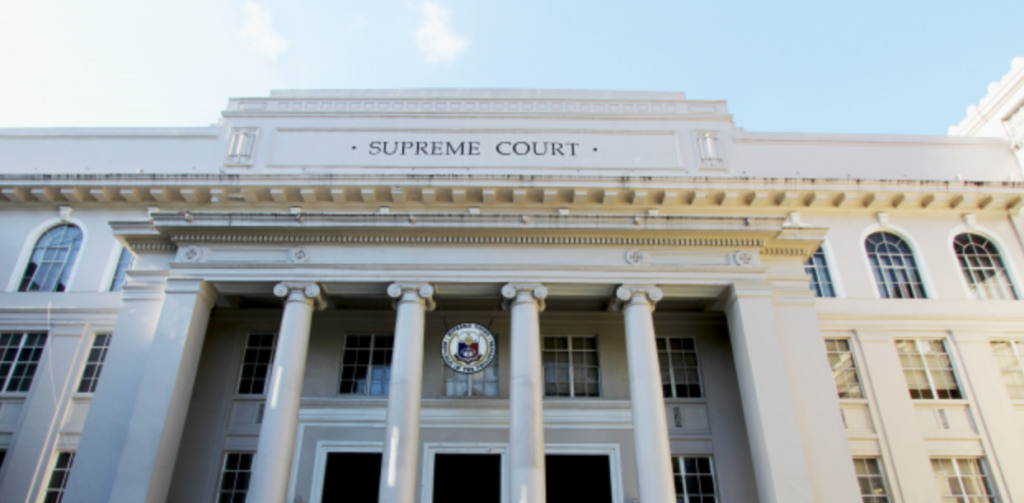
DAVAO CITY(August 5) — The Supreme Court has cleared another legal hurdle to the expansion of Davao Light and Power Co. Inc. into areas long served by the Northern Davao Electric Cooperative Inc. (Nordeco), potentially reshaping how electricity is distributed across parts of Davao del Norte and the Island Garden City of Samal.
The Supreme Court en banc denied Nordeco’s motion for reconsideration challenging the expansion of Davao Light’s franchise under Republic Act No. 12144.
In a resolution dated April 29 and made public over the weekend, the Court also denied and dismissed Nordeco’s petitions involving the expropriation of its distribution assets in Samal, Tagum City and several municipalities of Davao del Norte.
The ruling effectively removes another major legal obstacle to Davao Light’s assumption of its expanded franchise area.
For consumers, however, the legal victory matters less than what happens next: whether the franchise expansion delivers more reliable electricity, faster service and better protection for customers.
SC: franchise is not an exclusive territory
The Court reaffirmed its earlier finding that Congress has the authority to expand Davao Light’s franchise into areas covered by another public utility’s franchise.
A franchise, it said, is a privilege granted by the State, not an exclusive ownership right over a particular service area.
Congress may also amend, change or revoke a franchise when the common good requires it.
The Court found no violation of Nordeco’s right to due process, noting that Congress had extensively deliberated on the proposed expansion and that Nordeco was given opportunities to participate in the legislative process.
It also ruled that the expansion did not violate Nordeco’s existing contracts with its power suppliers.
Nordeco assets may be taken — with compensation
The ruling also addresses one of the most contentious parts of the transition: the fate of Nordeco’s distribution infrastructure.
The Court affirmed that Davao Light may acquire through expropriation distribution assets reasonably necessary to efficiently maintain and operate electricity services within its expanded franchise.
But the process must comply with legal requirements, including proper expropriation proceedings and payment of just compensation.
This means the ruling does not simply hand Nordeco’s assets to Davao Light. The transfer remains subject to the judicial process governing expropriation and compensation.
Davao Light President and Chief Operating Officer Enriczar Tia welcomed the decision, saying it provides greater clarity on the legal challenges surrounding Republic Act No. 12144.
“As we move forward, our priority remains the same — to provide safe, reliable and dependable electric service to the communities we serve,” Tia said.
He said Davao Light will continue working with government agencies, local governments and other stakeholders to ensure the transition is carried out in an orderly manner.
The real test begins now
The Supreme Court ruling settles another legal question, but it does not automatically settle the concerns of electricity consumers.
The expansion covers communities that have long dealt with questions surrounding the quality, cost and reliability of power service.
The real measure of the transition will therefore be felt not in courtrooms but in homes, businesses and communities.
Consumers will ultimately want to know whether the change will mean fewer outages, quicker restoration, better customer service and electricity rates that remain fair and transparent.
For Davao Light, the Supreme Court decision clears the legal path.
For consumers, the harder test is whether the promised benefits of the expansion will actually reach their electric meters.