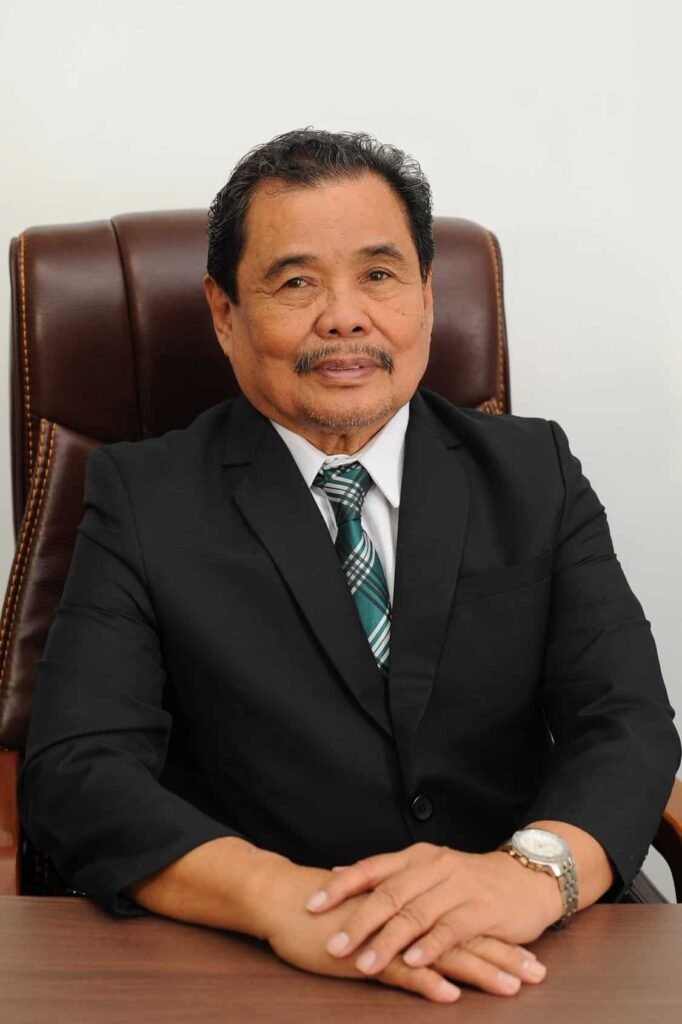
COTABATO CITY (May 20) — The removal of the education minister of the Bangsamoro Autonomous Region in Muslim Mindanao has thrown a harsh spotlight on how billions in public education funds were spent under contracts now flagged by state auditors for serious procurement violations.
Abdulraof Macacua, BARMM chief minister, forced the exit of Mohagher Iqbal after a Commission on Audit review uncovered questionable transactions involving more than P2.2 billion worth of school supplies, learning materials and related procurements under the Ministry of Basic, Higher, and Technical Education (MBHTE).
In a May 11 letter, Macacua ordered Iqbal to resign immediately or be considered resigned by May 18 if he failed to submit an irrevocable resignation.
A senior BARMM official said Iqbal did not comply before the deadline, effectively ending his stint as education minister.
The controversy erupted as supporters of Iqbal gathered in Cotabato City seeking his retention, even as the regional government moved to contain the fallout from the audit findings.
At the core of the issue are allegations that procurement safeguards meant to protect public funds were ignored.
Macacua cited COA findings showing MBHTE failed to impose P1.06 million in penalties despite a 520-day delay in delivering P30.9 million worth of school armchairs for young learners.
Auditors also flagged 53 contracts worth P1.95 billion for what the chief minister described as “material defects” in the bidding process.
The violations allegedly included improperly identified joint venture bidders, delayed posting of performance securities and questionable sworn statements that should have disqualified some suppliers under Republic Act No. 9184, the Government Procurement Reform Act.
One supplier, CNX Mini Mart, was reportedly allowed to proceed with a P4.7-million project for the Education Summit 2024 despite allegedly failing to post the required performance security.
COA also questioned 73 disbursement vouchers tied to procurement transactions that were reportedly processed and fully paid despite lacking complete supporting documents.
The audit body has already issued an initial notice of disallowance, with more expected as investigators continue reviewing the transactions.
For critics, the issue goes beyond technical procurement lapses.
The controversy has raised broader concerns over whether public education funds meant for students and schools were adequately protected amid BARMM’s massive post-conflict rebuilding efforts.
“In view of these, and given the gravity of the findings and the enormity of the amount involved, we are of the considered view that the gains of good and moral governance … are in serious jeopardy,” Macacua said.
“Public trust in the BARMM has been seriously eroded,” he added.
The case now stands as one of the biggest public accountability tests yet for the Bangsamoro government as it faces mounting pressure to prove that autonomy and expanded public funding will be matched by transparency and responsible governance.