COTABATO CITY (August 7) — Bangsamoro officials are taking a closer look at whether programs for children are translating into real improvements on the ground, as regional agencies reviewed the implementation of the Bangsamoro Autonomous Region in Muslim Mindanao’s five-year child welfare roadmap.
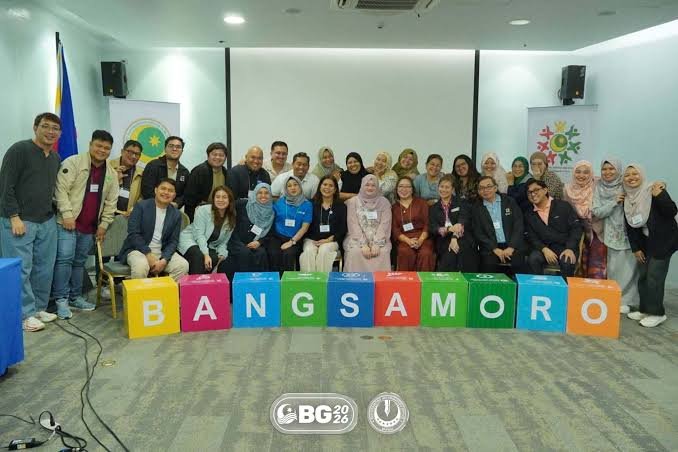
The Ministry of Social Services and Development (MSSD), through the Regional Sub-Committee for the Welfare of Children (RSCWC), convened government agencies and development partners on Aug. 4–5 for the second-year implementation review of the Regional Plan of Action for Children (RPAC) 2024–2028.
Rather than serving as a routine assessment, the review examined where child-focused programs are succeeding, where gaps remain, and what interventions should be strengthened to better protect Bangsamoro children.
MSSD Minister and RSCWC Chairperson Atty. Raissa Jajurie said improving children’s welfare requires sustained collaboration among government agencies and development partners.
“We hope that we can continue this kind of cooperation, collaboration, and shared commitment in ensuring that the children in BARMM and the rest of the country will reach the highest level of well-being,” Jajurie said.
She said the regional action plan also serves as an accountability mechanism by clearly defining the responsibilities of agencies tasked with delivering services for children.
The workshop reviewed the implementation of programs carried out in 2024, identified priority projects for 2025, and prepared reports for oversight bodies monitoring the region’s progress.
In a recorded message, Council for the Welfare of Children Executive Director Undersecretary Atty. Angelo Tapales underscored the need for measurable outcomes rather than simply completing planned activities.
“The CWC takes this seriously and is committed to providing targeted technical support and guidance to help regions address these gaps and strengthen RPAC implementation,” Tapales said.
The RPAC, launched in 2024, outlines BARMM’s five-year strategy for advancing children’s rights through programs focused on survival, development, protection, participation, and a balanced and healthful ecology, aligned with the United Nations Convention on the Rights of the Child.
The review brought together representatives from BARMM ministries, regional commissions, the Department of Justice-BARMM, and development partners including UNICEF and Plan International as the region works to strengthen coordination and improve outcomes for Bangsamoro children.