Butuan’s balangay and ASEAN: A shared voyage—but is Mindanao on board?

Date:

Share post:

BUTUAN CITY (May 4) — Long before Southeast Asia was mapped by diplomacy, ancient Filipinos were already sailing its waters.

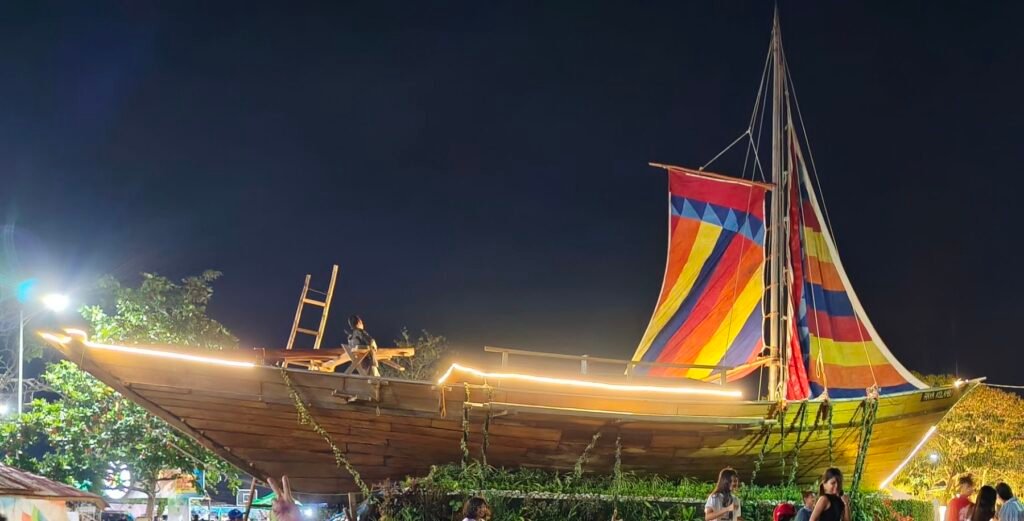
The balangay—wooden boats unearthed in Butuan in the 1970s—prove that Mindanao was once a thriving hub of regional trade, linking early communities to what is now the Association of Southeast Asian Nations (ASEAN).

Carbon-dated as early as 689 CE, these vessels carried goods, culture, and connections across seas—centuries before ASEAN was formed in 1967 to promote cooperation and shared growth.

Today, the balangay is being revived as a symbol of unity under the Philippines’ ASEAN chairship, with leaders set to gather for the 48th ASEAN Summit.

But for many in Mindanao, the symbolism raises an uncomfortable question: after decades of regional integration, why does the region that once led maritime exchange still struggle to feel its benefits?
A historic hub, a modern lag

Recognized by the UNESCO, the Butuan site shows that Mindanao was deeply embedded in ancient trade networks stretching to China, India, and beyond.

Yet today, many communities across Mindanao remain on the margins of economic growth—facing infrastructure gaps, high poverty rates, and limited access to regional markets ASEAN was supposed to open.

The contrast is stark: from being a gateway of exchange to becoming, in many cases, a periphery.

Integration for whom?

ASEAN’s agenda—trade liberalization, investment flows, and regional connectivity—has largely benefited urban and industrial centers. But in Mindanao, especially in rural and conflict-affected areas, gains have been uneven and often invisible.

Even as the summit in Cebu City pushes themes of resilience and sustainability, farmers, fisherfolk, and informal workers in Mindanao continue to face rising costs, climate shocks, and fragile livelihoods.

For them, “regional cooperation” can feel distant—more policy than practice.

The balangay as mirror

In Butuan City, the Balangay Festival celebrates a proud past: a people who navigated seas, built networks, and thrived through exchange.

Mayor Lawrence Lemuel H. Fortun says the festival is about values, not grandeur—a reminder of resilience and shared identity.

But the balangay also serves as a mirror.

If it symbolizes a vessel moving forward together, Mindanao communities are asking whether they are truly part of that journey—or merely watching it pass by.

Beyond symbolism

ASEAN’s promise has always been collective progress. Yet for Mindanao, that promise remains unevenly delivered.

The legacy of the balangay suggests that this region once stood at the center of Southeast Asia’s story—not at its edges.

As leaders chart the region’s future, the challenge is no longer just to celebrate shared history, but to confront present gaps: infrastructure that connects, policies that include, and growth that reaches beyond capital cities.

Otherwise, the balangay risks becoming just a powerful symbol of what was—and a quiet reminder of what has yet to be reclaimed.

spot_img

Related articles

Norway eyes Mindanao for green energy—but will locals see the gains?

DAVAO CITY  (May 4)  — Norway is looking to Mindanao as a new frontier for renewable energy investments,...

ICC orders fresh review of Duterte detention—custody remains under tight legal scrutiny

CAGAYAN DE ORO CITY  (May 4)  — The International Criminal Court (ICC) has ordered another review of former...

Expanded 4PH widens choices—but can NorMin families really afford them?

The PHIVIDEC Housing Project under the Expanded 4PH Program is shown in its construction phase as of July...

DepEd supervisor gunned down in Sibugay—another case in riding-in-tandem violence

ZAMBOANGA SIBUGAY  (May 4)  — A Department of Education official was shot dead in a brazen evening attack...