New framework seeks to connect destinations, investments and communities across the island
Photo: DavNor Tourism
DAVAO CITY (September 18) — Mindanao’s tourism destinations are often promoted one province or city at a time. A proposed Mindanao Tourism Circuit Framework aims to bring them into connected routes that make it easier for travelers to visit several destinations in one trip.
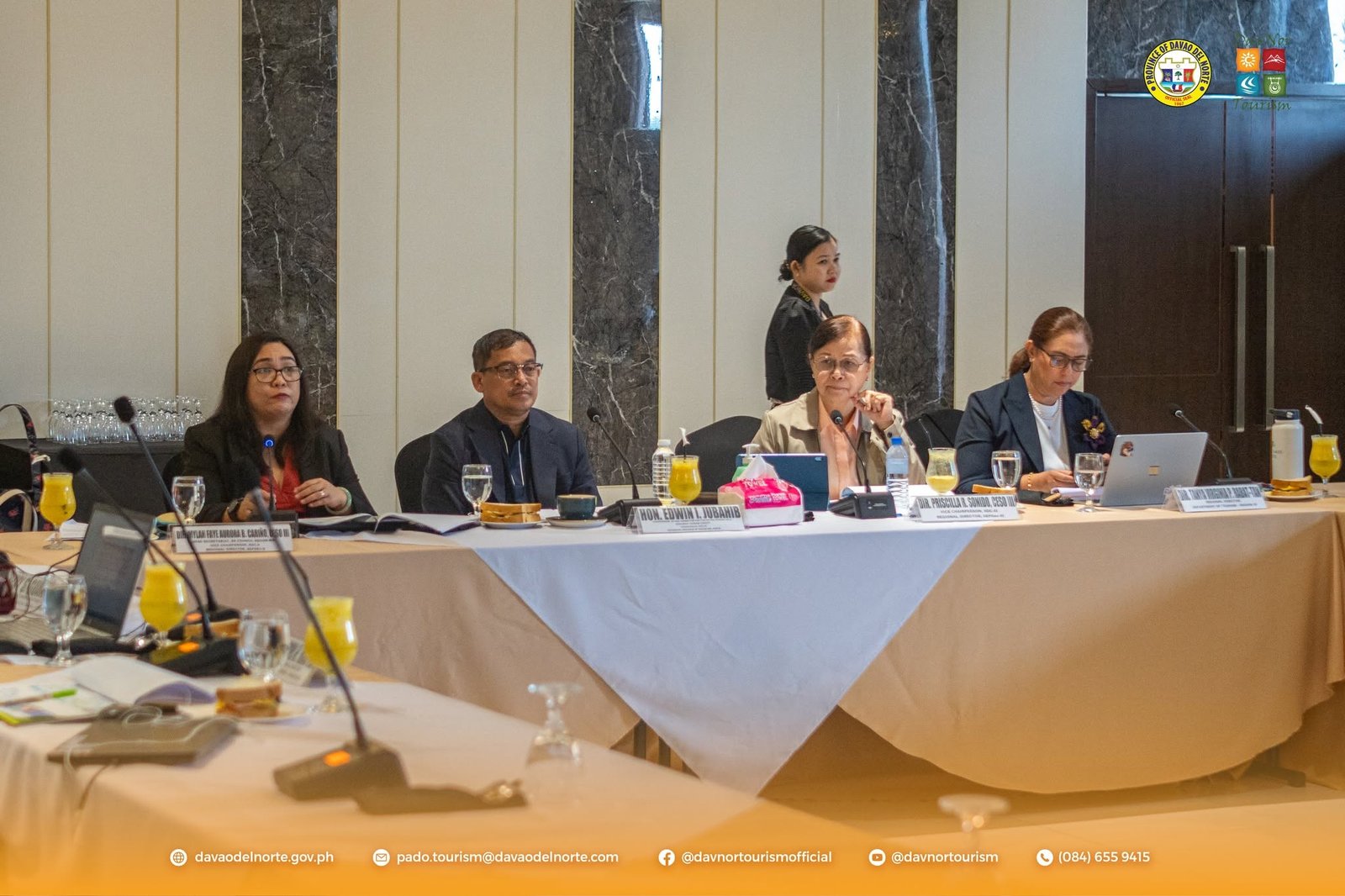
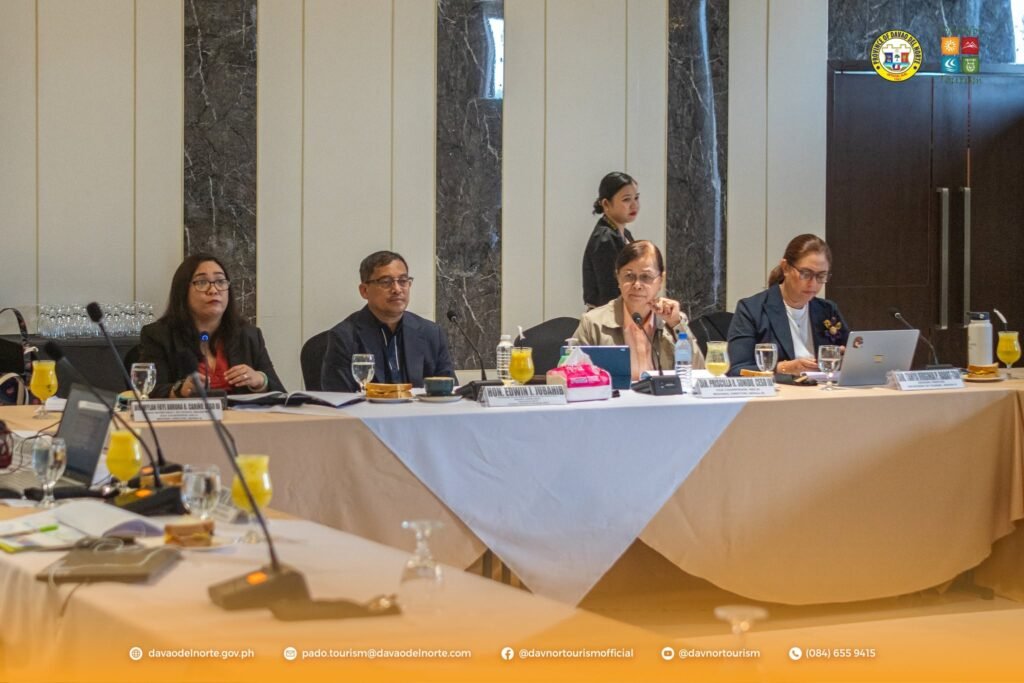
Discussions began with the first organizational meeting of an ad hoc committee on Sept. 15, led by Regional Development Council 11 Chairperson and Davao de Oro Gov. Edwin “Kuya Gob” Jubahib.
The proposal also seeks to encourage coordinated investments and expand tourism opportunities beyond established destinations.
More than putting places on a map
Mindanao has no shortage of beaches, dive sites, mountains, cultural attractions, heritage areas and food destinations.
The challenge is making these places easier to reach and experience as part of a wider itinerary.
A functioning tourism circuit could give travelers more reasons to stay longer while creating opportunities for local businesses and community-based tourism operators.
But that will depend on practical links—including transport, roads, airports, accommodations, visitor safety and reliable tourism information.
The planning begins
Jubahib is leading the ad hoc committee as RDC 11 chairperson and as a member of the Regional Development Committee-Mindanao Area Committee (RDCom-MAC).
The initiative follows the policy direction set during the 42nd RDCom-MAC Conference on March 27, 2026.
The committee’s work will include identifying potential destinations and routes, investment opportunities and mechanisms for cooperation among Mindanao’s regions and local governments.
That coordination will be crucial because tourism circuits cross administrative boundaries. A route is only as workable as its weakest connection.
Will communities benefit?
For travelers, success could mean easier, longer and more varied trips.
For businesses, it could open markets beyond individual provinces and cities.
For communities, the test is whether increased tourism generates jobs, income and opportunities for local enterprises rather than simply increasing visitor numbers.
That makes implementation as important as the framework itself.
The question now is whether the proposed circuit can move beyond planning and produce tourism routes that travelers can actually use—and communities can actually benefit from.
The Sept. 15 meeting was a starting point. The bigger challenge is turning the map into movement, and movement into local livelihoods.