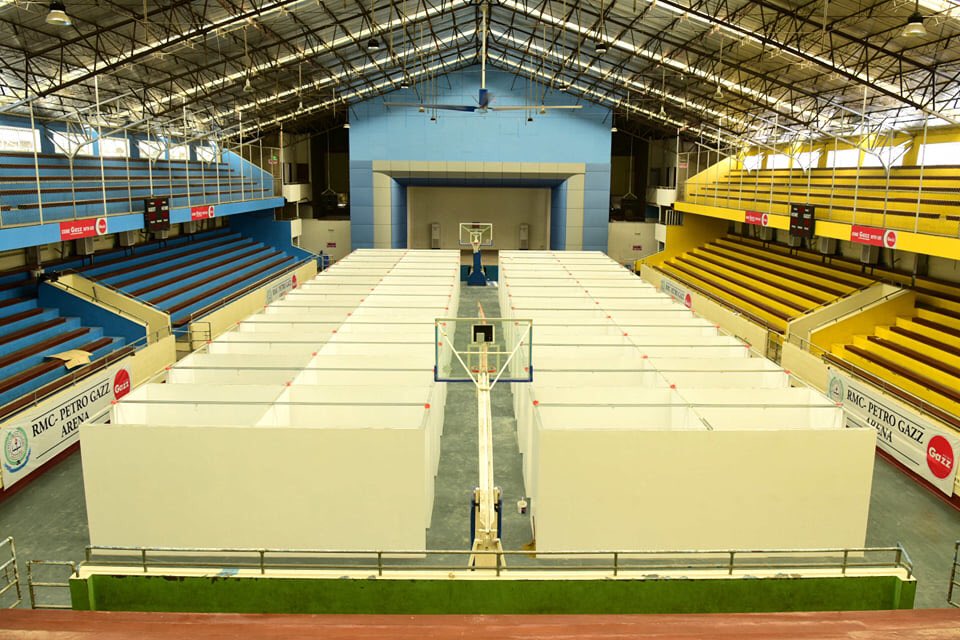
DAVAO CITY — The local health authority here has sounded off, the COVID-19 bed occupancy rate is rising to a “moderate risk” as continue to soar.
In a press statement released on May 26 stated that the due to the increase, it opted to reopen the isolation and quarantine facilities for COVID-19 confirmed patients.
The same statement stated that Davao City Health Office (CHO) acting head Dr. Ashely Lopez said due to the increasing cases, the isolation is almost 60 percent occupied when it was just 15 to 20 percent occupied before.
The city government has utilized hotels, motels, and public schools as quarantine facilities.
Some 16 to 17 isolation facilities were considered “moderate risk,” which means that 60 percent or more of their capacity were occupied.
The city anticipates the possible high occupancy rate which prompted them to reopenCOVID-19 beds for confirmed cases.
Two big isolation facilities, namely the Rizal Memorial Colleges and the Sta. Ana National High School were reopened which has a total capacity of 200 beds. Of these beds only 20 remain unoccupied.
Meanwhile, Lopez reminded Dabawenyos that the city government strictly does not allow COVID-19 patients to undergo quarantine or isolation in their respective homes.