BUTUAN CITY(January 7) — The Department of Labor and Employment (DOLE) provided temporary employment and livelihood skills to 10,674 residents of Surigao del Sur in the second half of 2025, using emergency labor not only to ease household poverty but also to strengthen climate resilience at the barangay level.
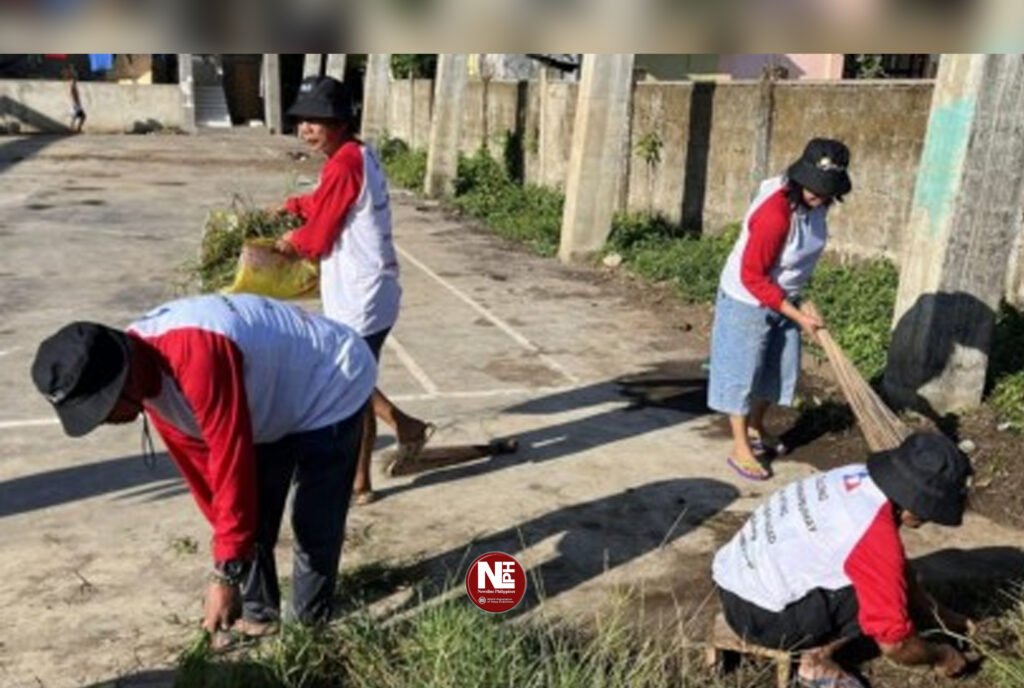
Under the Tulong Panghanapbuhay sa Ating Disadvantaged/Displaced Workers (TUPAD), beneficiaries were employed for 10 to 15 days in activities such as coastal clean-ups, drainage clearing, roadside maintenance, and community gardening—tasks that DOLE said helped reduce flood risks, improve sanitation, and protect coastal and public ecosystems.
Workers earned ₱4,530 to ₱6,525, injecting ₱46.5 million directly into local economies where many households rely on seasonal or informal work and remain vulnerable to climate-related income disruptions.
In Tandag City, beneficiaries were deployed for coastal clean-up activities that helped clear debris and waste from shorelines frequently affected by storms and heavy rainfall.
One worker said the income from the 15-day engagement helped his family meet basic needs during a period without regular employment.
Meanwhile, in Tago, participants said the program’s integrated skills training opened possibilities for climate-resilient livelihoods.
Through DOLE’s partnership with the Technical Education and Skills Development Authority (TESDA), beneficiaries learned rug making, food processing, massage services, and other skills that can be pursued at home or within the community.
“I was able to learn rug making, and now my family wants to venture into this livelihood opportunity,” one participant from Tago said.
Within the Caraga Region, Surigao del Sur ranked among the major recipients of TUPAD assistance in 2025, though its coverage remained lower than neighboring Surigao del Norte, which assisted about 16,800 workers and released roughly ₱75.8 million in wages during the year.
The uneven rollout highlights differences in local government capacity and labor vulnerability across Caraga provinces, particularly in coastal and flood-prone areas where climate shocks often translate directly into lost income.
Labor officials said TUPAD’s barangay-level deployment is increasingly being positioned as part of a broader poverty-reduction and disaster-preparedness strategy—providing immediate income relief while supporting environmental maintenance and skills development that can help communities better withstand climate-related disruptions.