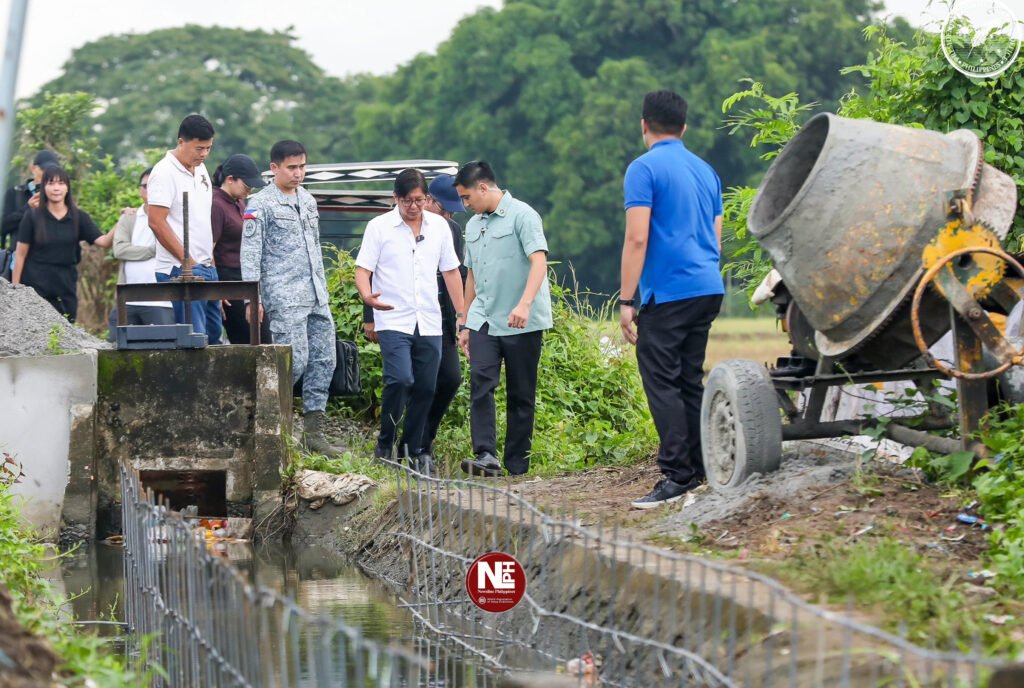
MANILA(December 28) – As 2025 ends, President Ferdinand R. Marcos Jr.’s flood control program has become a flashpoint in his administration’s anti-corruption campaign, exposing delays, unspent funds, and questionable contracts while putting communities at risk.
Despite PHP350 billion earmarked for flood projects in 2025, many works remained incomplete or substandard, prompting Marcos to halt new 2026 allocations.
“There will be no budget for 2026 for flood control because there is still PHP350 billion from 2025 that has not yet been fully utilized,” Marcos said in September.
Investigations revealed a troubling concentration of funds: 20 percent of total flood spending since mid-2022 went to just 15 contractors. To clean up the mess, Marcos created the Independent Commission for Infrastructure (ICI) to probe irregularities, while DPWH launched transparency portals and citizen-reporting channels.
The crackdown has already led to criminal charges and arrests, including contractor Cezarah Rowena “Sarah” Discaya. Charges include graft, malversation, and falsification of documents, signaling a shift from administrative reviews to criminal accountability.
Still, critics warn that enforcement must go beyond arrests. Thousands of ongoing projects nationwide demand proper oversight to ensure that communities are protected from floods and that public funds are spent as promised.
Marcos has stressed that evidence-backed cases are crucial, balancing accountability with due process.
Malacañang says the probe is “far from over,” promising that all responsible parties—officials, contractors, and even allies—will face scrutiny.
For communities long exposed to flood risks, the question remains: will this anti-corruption drive translate into safer, functional flood control infrastructure, or just more headlines?