
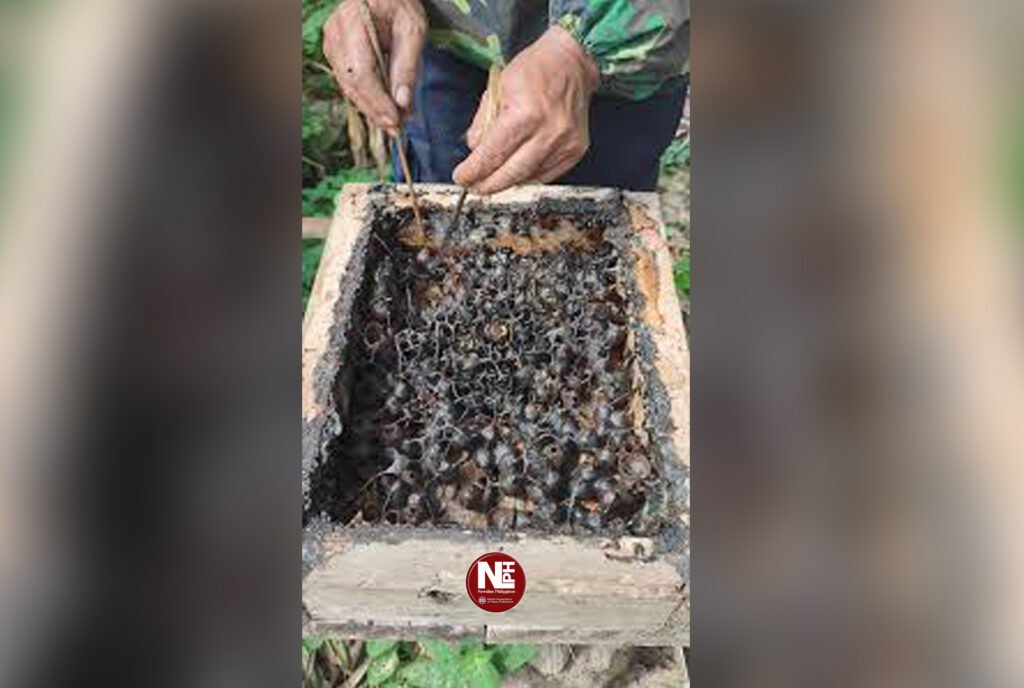
MANILA (December 8) — Stingless bee honey has become one of the country’s most sought-after “superfoods.” It’s more expensive, harder to produce, and prized for its reported health benefits. But its popularity has also made it a target for fraud — with cheaper honey being sold as the real thing.
Now, a team of Filipino scientists has created a simple, fast, and affordable way to tell genuine stingless bee honey from fake or mislabeled ones — and it doesn’t require a lab full of equipment.
The method, developed by researchers from the Department of Science and Technology–Philippine Nuclear Research Institute (DOST-PNRI) and the University of the Philippines, combines a handheld device and artificial intelligence to “read” the unique chemical signatures of honey.
How the test works — in everyday terms
The handheld device, called an X-ray fluorescence (XRF) spectrometer, shines harmless X-rays on a tiny sample of honey. The honey then gives off signals that reveal traces of natural elements in it — a bit like a fingerprint.
These fingerprints differ depending on the type of bee that made the honey.
Scientists then feed these fingerprints into a computer model trained with machine learning, which sorts honey into categories based on bee species. In tests, the system correctly confirmed Philippine stingless bee honey with 94.1% accuracy and 100% specificity — meaning no fake sample slipped past the test.
Why authenticity matters
Stingless bee honey (from Tetragonula biroi) is pricey because the bees produce it in small amounts and require careful care. For honest beekeepers, fake products undermine their livelihood. For consumers, adulterated honey may contain syrups, additives, or cheaper honey mixed in.
A tool that can quickly check authenticity helps:
- Regulators crack down on fraud
- Producers protect their brand and income
- Buyers avoid being misled