DAVAO CITY (September 25) — A Malaysian company is looking to Davao for coconut shells to fuel its energy business, opening a potential new market for farmers—but whether the deal delivers meaningful additional income will depend on supply, pricing and how much of the value reaches coconut-growing communities.
The Department of Agriculture (DA)-Davao Region said Thursday it has begun discussions with Borneo New Energy on the possible purchase of coconut shells and other coconut by-products from the region.
Borneo New Energy is initially looking at sourcing about 100 metric tons, but the volume is not yet a confirmed purchase order or a fixed delivery commitment. The proposed volume will be subject to the ongoing assessment of available local supply and the parties’ further discussions.
Through its Agribusiness and Marketing Assistance Division (AMAD), the DA is assessing the availability and volume of coconut shells and coordinating with potential farmer suppliers.
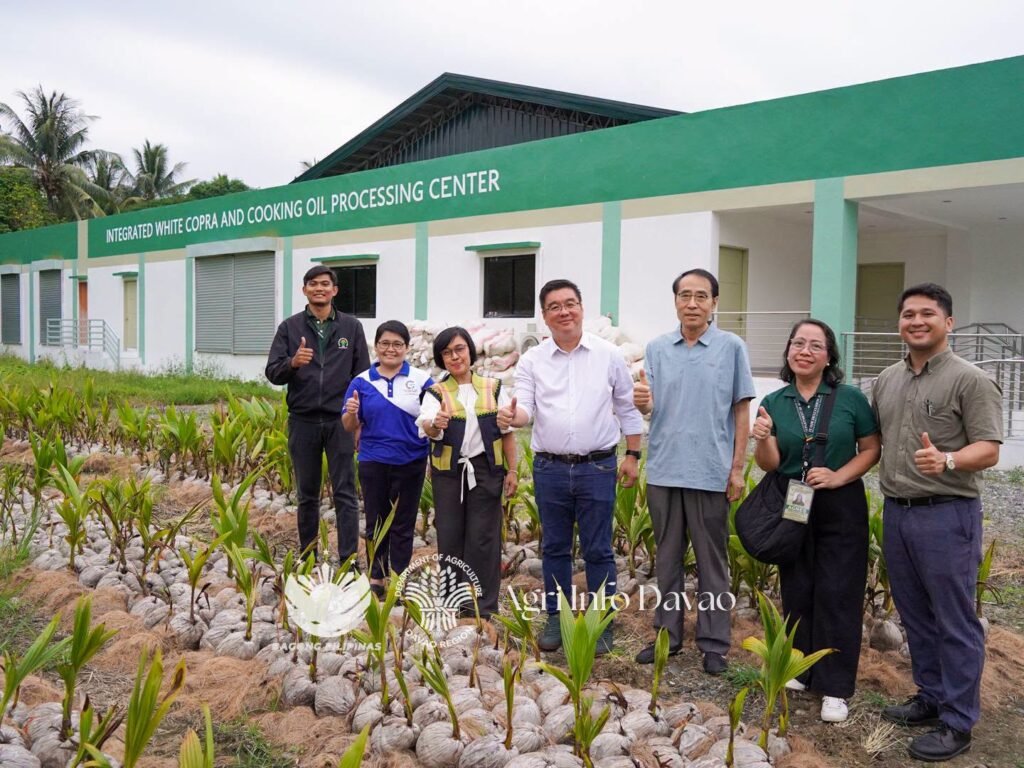
Among them is the Katipunan Small Coconut Farmers Multipurpose Cooperative in Panabo City, Davao del Norte.
The cooperative manages about 2,350 hectares of coconut farms and has 800 members, with reported production of 400 to 500 metric tons per month.
That makes the cooperative a potential source for the proposed Malaysian market.
But the size of the coconut sector does not automatically mean that the region can supply the buyer consistently.
The actual business will depend on whether shells can be collected and consolidated in sufficient volume, meet the buyer’s specifications and be transported at a cost that still leaves farmers with a worthwhile return.
From farm waste to energy
Borneo New Energy is exploring coconut shells as an alternative energy resource, giving Davao’s coconut sector another potential outlet for a by-product that often has limited economic value.
The discussions followed the Sabah International Expo 2026, which provided opportunities for Philippine commodities to connect with potential international buyers.
The DA said the initiative is part of its continuing effort to establish market linkages between farmer organizations and buyers while developing value-adding opportunities for agricultural products.