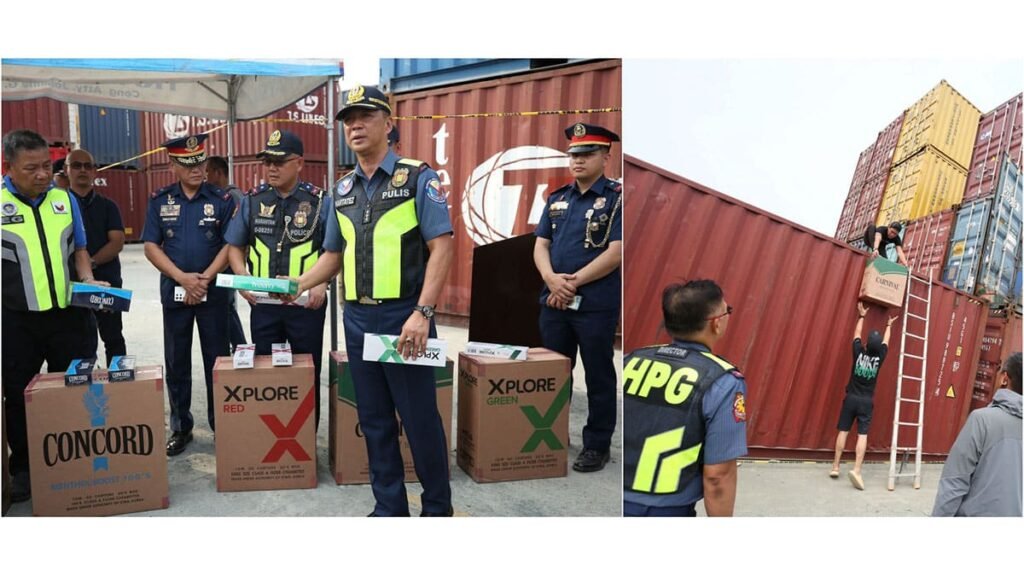
MANILA (January 2, 2026) -The PHP2.6 billion worth of smuggled cigarettes seized in separate operations in Batangas City and Malabon City over the New Year weekend is not merely a headline-grabbing enforcement success—it is a window into the Philippine National Police’s intensifying war against organized smuggling syndicates, and into the quiet but relentless leadership of Hansel Marantan, one of the officers long associated with intelligence-driven, high-risk operations.
Acting PNP chief Jose Melencio Nartatez Jr. made it clear that the seizures—PHP1.1 billion in Batangas City and PHP1.5 billion in Malabon City—are being treated as potentially connected operations rather than isolated crimes. Both were uncovered during anti-car-theft operations by the PNP Highway Patrol Group, underscoring how intelligence work often exposes crimes far beyond their original targets.
“These are not small-time operations,” Nartatez said, pointing to warehouse-level storage, coordinated logistics, and capital-intensive movements, hallmarks of organized criminal networks rather than street-level smugglers.
Behind such operations is a doctrine long pushed by officers like Marantan: follow the intelligence, not just the crime.
Marantan’s Role: Intelligence Before Arrests
Marantan’s career has been defined by his insistence on intelligence-led policing—mapping networks, tracing supply chains, and identifying financiers before moving in. While not always the public face of operations, Marantan has been instrumental in shaping approaches that prioritize dismantling syndicates rather than merely seizing goods.
Sources within the PNP note that large-scale tobacco smuggling operations, such as those uncovered in Batangas and Malabon, require months of surveillance, coordination with customs and tax authorities, and patience under pressure. These are methods Marantan has consistently advocated: quiet groundwork before decisive action.
The scale of the seizures supports this. Smuggled cigarettes worth billions do not move without protection, inside knowledge, and carefully planned routes, often exploiting ports, warehouses, and highways simultaneously.