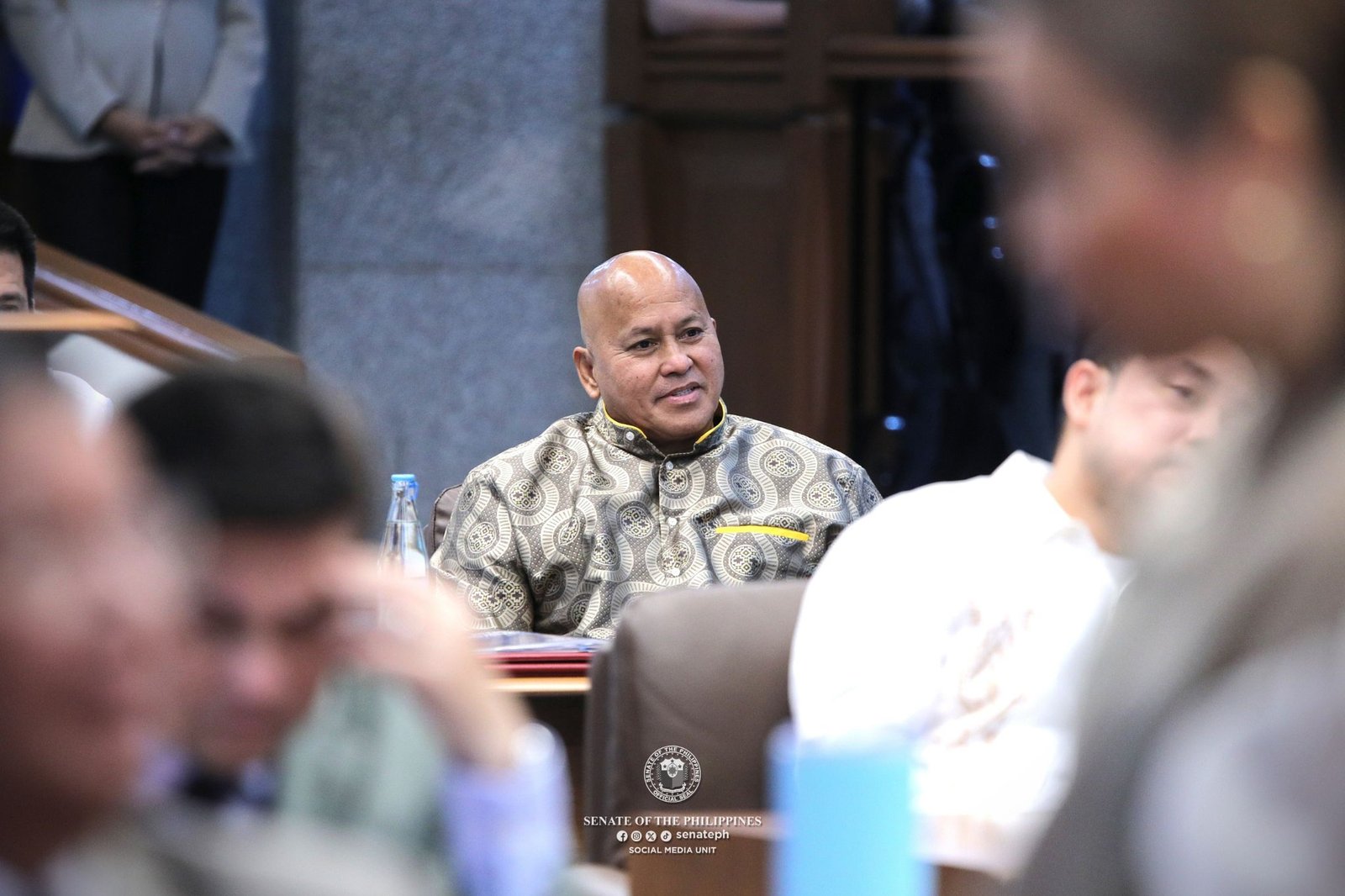
CAGAYAN DE ORO CITY(May 25) — The National Bureau of Investigation (NBI) has publicly classified Senator Ronald Dela Rosa as “armed and dangerous” as authorities intensified efforts to locate and arrest the former police chief over an International Criminal Court (ICC) warrant tied to the Duterte administration’s bloody anti-drug campaign.
NBI Director Melvin Matibag on Saturday appealed to Dela Rosa to “peacefully and voluntarily surrender,” warning that law enforcement operatives are treating the senator as a potentially armed fugitive while operations continue nationwide.
“Lahat ng target of warrant, ang aming point of view, we will always be ready baka armado at lumaban ang ating subject,” Matibag said during a news forum in Quezon City, explaining that the classification follows standard operational procedures for high-risk arrests.
The statement marks the strongest public posture yet taken by the government against one of former president Rodrigo Duterte’s closest allies, signaling a dramatic escalation in the state’s cooperation with efforts linked to the ICC investigation into thousands of killings under the war on drugs.
The Department of Justice earlier confirmed that both the NBI and the Philippine National Police had been ordered to enforce the arrest after the Supreme Court rejected Dela Rosa’s bid for a temporary restraining order that could have blocked authorities from acting on the ICC process.
Dela Rosa, who served as Philippine National Police chief during the height of the anti-drug crackdown, is accused by ICC prosecutors of helping oversee operations that resulted in widespread killings of suspected drug users and pushers.
His disappearance from public view has further heightened tensions surrounding the case.
The senator was last seen leaving the Senate building in Pasay City on May 14, shortly after resurfacing to participate in the political maneuvering that led to the ouster of Senate President Vicente Sotto III.
Since then, authorities have acknowledged that they have yet to locate him, although Matibag said investigators believe Dela Rosa remains somewhere in the Philippines.
The unfolding pursuit now places one of the Duterte drug war’s most visible architects in the same legal crosshairs that previously engulfed Duterte himself, testing the Marcos administration’s willingness to cooperate with international accountability mechanisms it had once publicly distanced itself from.
For critics of the anti-drug campaign, the operation represents a long-delayed attempt to impose accountability for thousands of deaths linked to police operations. For Duterte allies, however, the ICC process remains politically charged and legally contested, particularly after the Philippines withdrew from the Rome Statute in 2019.
But with the Supreme Court declining to halt enforcement efforts, the focus has shifted from legal arguments to a nationwide manhunt — one now being carried out under the assumption that the senator could resist arrest.