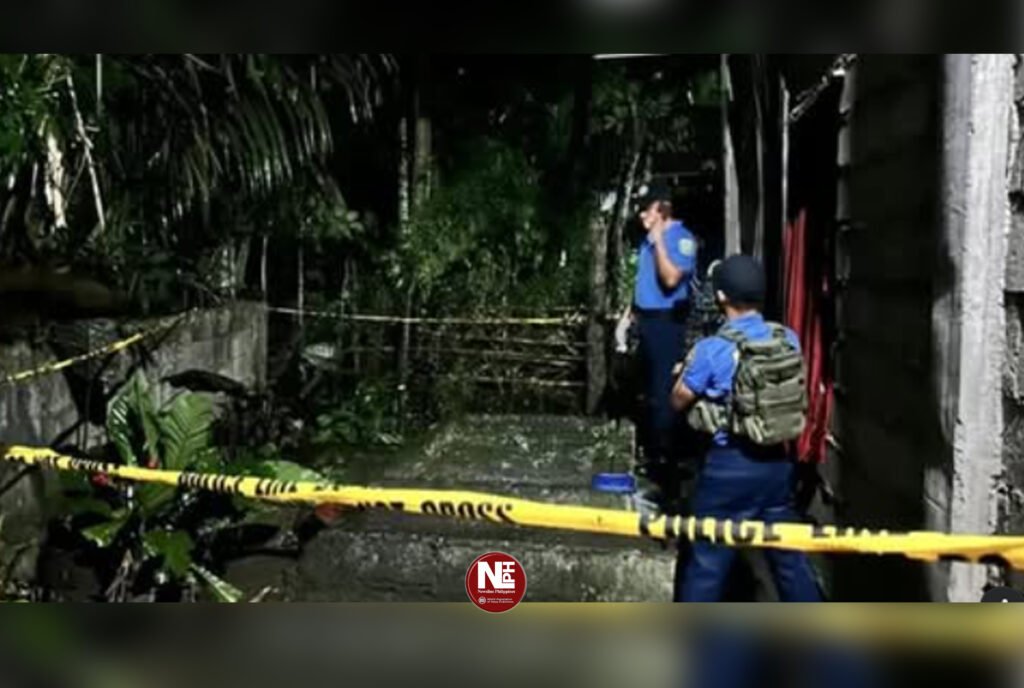
COTABATO CITY (January 4) — The grenade attack that shattered New Year’s Eve celebrations in Matalam, Cotabato has raised urgent questions about public safety, policing gaps, and accountability—beyond the police claim that the incident was “isolated.”
One of the two suspects, identified by police as Hammad Ansa, was killed in an alleged shootout with pursuing officers in Barangay Kilada on Thursday. Police said Ansa opened fire instead of surrendering and was declared dead on arrival at a hospital. His alleged accomplice—the motorcycle driver who helped carry out the attack—remains at large.
But for residents of Barangay Dalapitan, where 22 people including minors were wounded, the core issue goes beyond the fate of one suspect: How did a grenade make its way into a community New Year gathering, and why were families left exposed?
Civilian celebration, military-grade violence
The victims were welcoming the New Year with firecrackers when the suspects allegedly arrived and hurled a grenade into the crowd. Most victims suffered shrapnel wounds to the legs—injuries that, while not fatal, will carry medical and financial consequences for families already facing economic strain.
Community leaders privately questioned how such a weapon could circulate without detection in an area with regular police visibility, especially during a high-risk holiday period.
“This was a family celebration, not a conflict zone,” one resident said. “Why were there no preventive patrols or checkpoints nearby?”
Police response under scrutiny
Following the attack, the Philippine National Police ordered tighter security across Cotabato. Acting PNP chief Jose Melencio Nartatez directed intensified checkpoints and roadblocks to stop the remaining suspect from escaping and urged residents to report suspicious activities.
While authorities insist the attack was isolated, critics say reactive policing after blood has already been spilled is not enough.
“If security was truly tight, this should not have happened in the first place,” said a barangay official who asked not to be named. “Accountability means explaining the lapses, not just arresting suspects.”
Community cooperation fills enforcement gaps
Regional police director Arnold Ardiente acknowledged that villagers and members of Muslim communities helped lead officers to Ansa’s hideout—an admission that community intelligence, not surveillance systems, proved decisive.
While police praised this cooperation, governance advocates say it also highlights institutional weaknesses, where citizens compensate for limited state capacity.
“Community cooperation is important, but it should complement strong governance—not replace it,” a local civil society worker said.
Unanswered questions
As of press time, police have not publicly disclosed:
- How the grenade was acquired and transported
- Whether the suspects had prior police records or known affiliations
- What preventive measures were in place during New Year celebrations