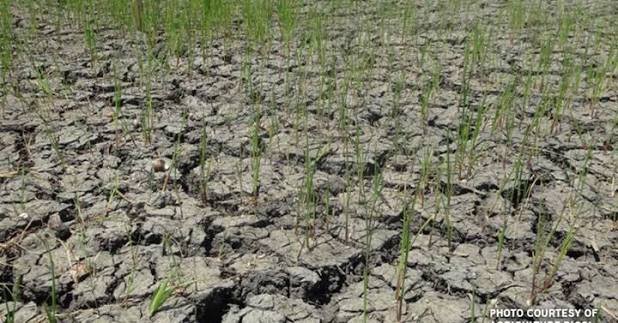
CAGAYAN DE ORO CITY (July 3) — With forecasters warning of a high likelihood of El Niño returning before the year ends, Northern Mindanao is moving to protect its farms, water supplies and communities before dry conditions begin to take their toll.
During his first State of the Region Address on June 30, Regional Development Council (RDC) Chairperson and Misamis Occidental Gov. Henry Oaminal said the region is shifting from disaster response to anticipatory action, citing forecasts showing a 79 percent probability that El Niño will develop by the fourth quarter of 2026 and persist into early 2027.
Rather than waiting for drought to disrupt agriculture and public services, the regional government is prioritizing irrigation upgrades, water conservation measures, disaster preparedness and food security interventions aimed at reducing the impact of prolonged dry spells.
Oaminal warned that El Niño threatens more than crop production, with its effects likely to ripple across electricity generation, fuel prices, water availability and household incomes.
“Resilience is not built after disasters happen—it is built before they arrive,” he said.
The emphasis on early preparation reflects lessons from previous El Niño episodes, which triggered crop losses, water shortages and soaring food prices across many parts of the country. For an agriculture-dependent region like Northern Mindanao, delayed intervention could place both farmers’ livelihoods and regional food supplies at risk.
Oaminal said recent disaster management gains provide a foundation for the region’s preparedness efforts. Disaster-related damage and losses declined to P74.5 million in 2025 from P273.6 million in 2024, despite several weather disturbances. Still, more than 83,000 people were affected by disasters this year, underscoring the continuing vulnerability of communities to climate extremes.
He cited the response to Tropical Storm Basyang in Iligan City as evidence that coordinated action among local governments, national agencies, development partners and volunteers can significantly improve disaster response.
The governor also pointed to the validation of 415 flood control projects completed between 2022 and early 2025 by the RDC Regional Project Monitoring Committee, saying all projects were found to be physically in place.
“This affirms transparency, accountability, and the absence of ghost flood control projects in Northern Mindanao,” he said.
As climate extremes become more frequent, regional officials say success will depend not only on responding to disasters but on investing ahead of them. For Northern Mindanao, the coming months will test whether early planning and coordinated action can cushion the economic and social impacts of another El Niño before the dry season tightens its grip.