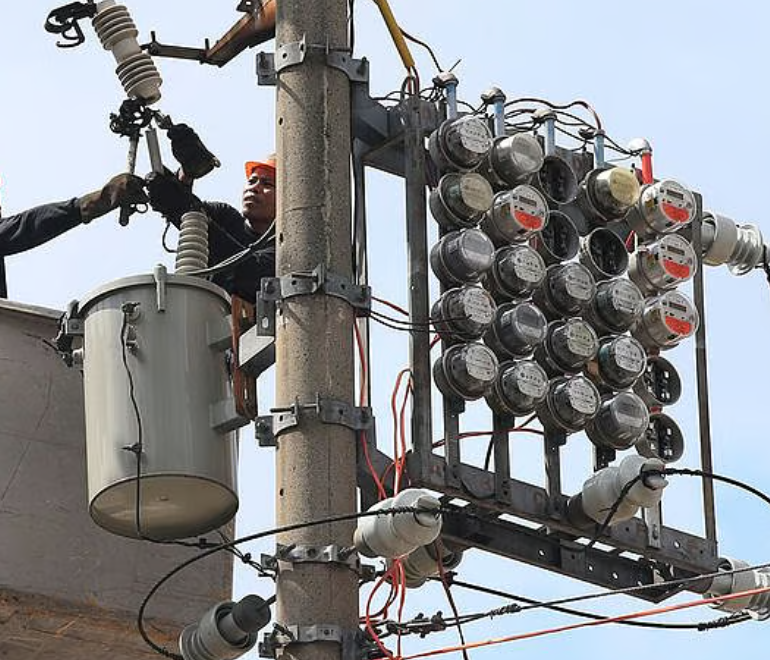
MANILA (July 30) — FILIPINO consumers who faithfully pay their electricity bills should not have to shoulder the cost of power stolen by others, Malacañang said Wednesday as President Ferdinand Marcos Jr. pushes to remove system loss charges from electricity bills.
But the proposal is already raising a bigger question: if consumers stop paying for these losses, who will?
Palace Press Officer Claire Castro said Marcos wants power utilities to strengthen their systems against electricity theft and pilferage instead of simply passing those losses on to households that pay their bills.
“What the President wants is for utility companies to make sure they have plans and monitoring to prevent these losses, especially losses from theft and pilferage that are being shouldered by responsible Filipinos who pay their obligations,” Castro said.
The Palace also said utilities must become more efficient in reducing losses, while the government studies how removing system loss charges could affect the financial health of power companies.
“They also need to be efficient to prevent losses from being passed on to our countrymen,” Castro said, adding that the proposal is being studied to ensure it does not negatively affect utilities.
Marcos raised the proposal in his fifth State of the Nation Address on July 27, arguing that consumers should pay only for electricity they actually use—and not for losses beyond their control.
The Department of Energy clarified Tuesday that the proposal covers system loss charges and the 12% value-added tax imposed on those charges, not the entire VAT charged on electricity consumption.
That distinction matters to consumers already struggling with high power costs.
System loss charges cover electricity lost before it reaches consumers. These include technical losses in transmission and distribution systems as well as non-technical losses, such as electricity theft and pilferage.
The proposal, however, has drawn caution from power industry groups.
Manila Electric Co. said it is ready to participate in discussions, while the Philippine Rural Electric Cooperatives Association (PHILRECA) gave conditional support, warning that removing the VAT on system loss must not result in “unrecoverable input VAT or disguised costs” being passed on to electric cooperatives, generation companies and the National Grid Corp.
In other words, eliminating a charge from the bill does not automatically eliminate the underlying cost.
That is where the government’s promise to lower electricity bills faces its biggest test.
The proposed change would require amendments to the Electric Power Industry Reform Act (EPIRA), the law that restructured the country’s power sector and opened the industry to greater private participation.
At the inauguration of the Energy Museum and the 25th anniversary celebration of EPIRA on Wednesday, Marcos said the government is working with private-sector partners to advance the proposal.
“It is only fair that Filipino families pay for what electricity they use, not for inefficiencies that really are beyond their control,” Marcos said.
For ordinary households, the principle is difficult to dispute.
But removing system loss charges will only provide lasting relief if the government can ensure that the costs do not simply reappear elsewhere—through higher rates, reduced services, government subsidies or other charges.
The tougher question is therefore not simply whether consumers should stop paying for stolen electricity.
It is whether power companies, regulators and government can finally make the system efficient enough that honest consumers are not repeatedly made to pay for losses they did not cause.