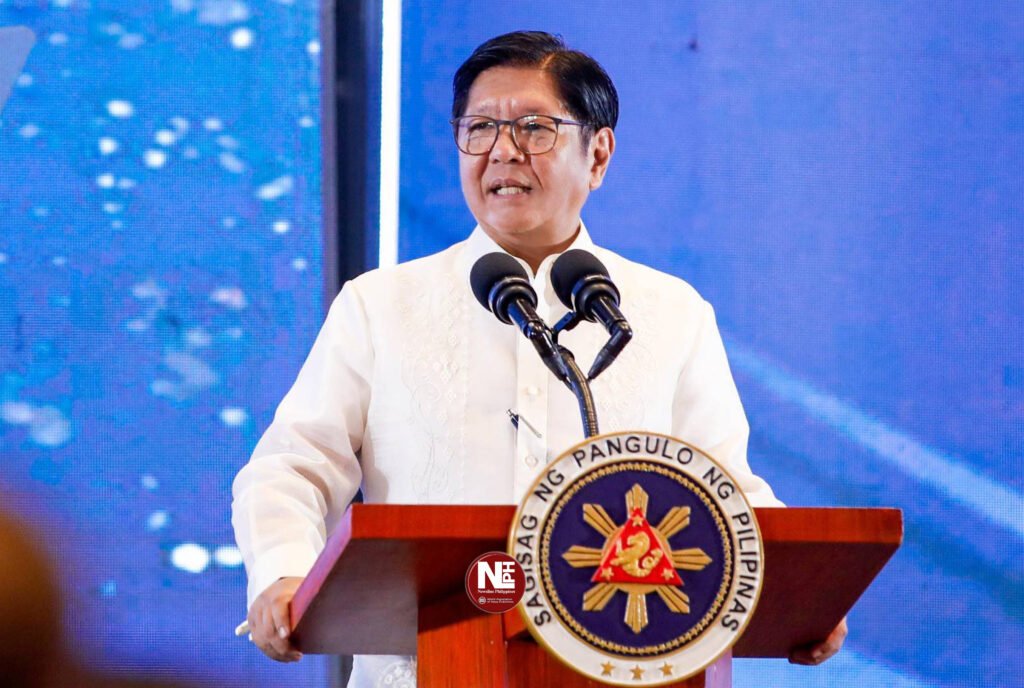
MANILA (December 24) — For many communities, 2025 was a year of hardship — disasters, rising costs, and public frustration. But it was also the year Ferdinand R. Marcos Jr. pushed harder on accountability, crisis response, and basic services that directly affect everyday life.
Cracking down on corruption
President Marcos put anti-corruption front and center, most notably during his fourth State of the Nation Address when he blasted anomalous flood control projects with the now widely quoted line: “Mahiya naman kayo sa inyong kapwa Pilipino!”
The words were followed by action. He personally inspected flood projects, ordered the recovery of public funds, backed citizen reporting through Sumbong sa Pangulo, and approved the creation of an Independent Commission for Infrastructure to investigate questionable projects over the past decade.
As charges were filed and arrest warrants issued, the President made clear that cases would be pursued to the end.
Leading through disasters
Communities felt the President’s presence most during disasters. After successive typhoons and major earthquakes, Marcos ordered full government mobilization, visited affected areas from Cebu to Catanduanes and northern Luzon, and ensured relief and cash aid reached vulnerable families.
He later declared a one-year national state of calamity to speed up recovery and launched Oplan Kontra Baha, targeting long-standing flooding problems in major cities.
Health and education that reach families
In health care, zero balance billing eased hospital costs for over one million Filipinos, while expanded PhilHealth benefits, health caravans, and new urgent care centers brought services closer to communities.
Education reforms focused on access: laptops and internet for public schools, more teachers, early childhood education support, and new pathways for working Filipinos to earn college degrees through skills and experience.
Food, transport, and daily needs
The administration rolled out programs felt at the household level — affordable rice through Benteng Bigas Meron Na, higher support for farmers, expanded cash assistance for poor families, pension reforms for seniors, and added help for overseas Filipino workers.
Long-idle MRT trains were finally deployed, airport upgrades improved travel, and the push for 100 percent household electrification brought power to more remote areas.
Active diplomacy, steady security
While focused on domestic issues, Marcos also strengthened ties abroad through ASEAN and global engagements, launching preparations for the Philippines’ ASEAN 2026 Chairship.
At home, security efforts emphasized modernization, faster emergency response, and a more restrained approach to crime and illegal drugs.
What it meant on the ground
For community readers, 2025 under President Marcos was not about slogans, but about visible moves — calling out corruption, showing up during disasters, and pushing services closer to where people live.
Whether these gains are sustained remains to be seen. But for many Filipinos, the year showed a presidency leaning harder on action, accountability, and presence when it mattered most.