
PCW Turns to Street Theater in Bukidnon to Bring Women, Peace and Security Plan to the Grassroots

Date:

Share post:

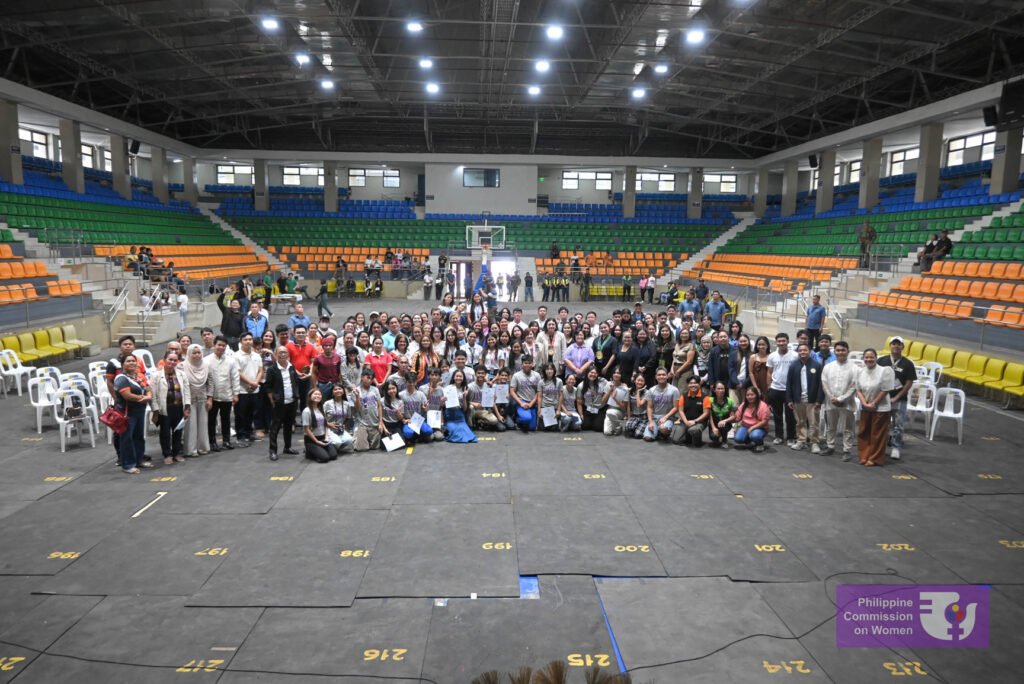
Leaders from various sectors with PCW as the lead convenor, together with community members, gathered at the Valencia City Gymnasium and Cultural Center to witness PASUNDAYAG: Mindanao Street Theatre for Sustainable Peace. (Photo credits: Public Information and Assistance Division City of Valencia)

VALENCIA CITY, Bukidnon (February 12) — Policy met performance in Valencia City as the Philippine Commission on Women (PCW) staged Pasundayag: Mindanao Street Theater on February 4, transforming public spaces into platforms for peace dialogue.

Instead of boardroom briefings or technical workshops, PCW used live street performances to localize the country’s Women, Peace, and Security (WPS) Action Plan, bringing its principles directly to communities affected by conflict, inequality, and social vulnerability.

Through short skits and interactive scenes, actors dramatized real-life situations faced by women and youth — harassment in public spaces, domestic conflict, discrimination, and limited access to protection services.

But the performance was only the beginning.

After each presentation, facilitators opened the floor to residents, barangay officials, and frontline workers — inviting them to reflect on what they saw, identify policy gaps, and propose solutions rooted in their own realities.

Making Peace Personal

PCW Chairperson Ermelita V. Valdeavilla said national peace frameworks can only succeed when they resonate with everyday life.

“National frameworks guide us, but peace must be rooted in community realities. Every child’s voice is a sacred invitation to the future. When we listen, empower, and protect them, we help shape a society free from fear and violence,” Valdeavilla said.

She noted that street theater encourages more honest conversations than formal consultations, as audiences engage with scenarios that mirror their own experiences.

In conflict-affected areas of Mindanao, where women often shoulder the burden of displacement, insecurity, and economic hardship, translating policy into relatable narratives can bridge the gap between law and lived experience.

Linking Art to Law

The discussions that followed each performance were not symbolic exercises. They reinforced implementation of key national laws, including:

  • Republic Act 11313 (Safe Spaces Act), which protects women and students from sexual harassment
  • Republic Act 9262, which safeguards women and children against domestic violence

Participants practiced identifying risks of gender-based violence, understanding reporting procedures, and strengthening referral mechanisms at the barangay level.

The initiative also strengthened local Gender and Development (GAD) programs by equipping officials and frontline responders with scenario-based learning tools — turning theater into practical training.

International Solidarity and National Convergence

The launch drew support from both local and international partners, including Ukrainian Ambassador Yuliia Oleksandrivna Fediv, who joined dialogue sessions with women and youth leaders.

“Street theater reminds us that culture is the foundation of peace and resilience, and that art can serve as a shared language of empathy, dialogue, and healing, especially in communities affected by conflict or social vulnerability,” Fediv said.

Officials from the Commission on Human Rights and the Office of the Presidential Adviser on Peace, Reconciliation and Unity also participated in workshops, helping translate national WPS directives into actionable steps at the barangay level.

Valdeavilla said the collaboration demonstrated shared commitment among agencies to strengthen community-based peacebuilding.

Grassroots Ownership of Peace

Valencia City Mayor Amie G. Galario welcomed the initiative, emphasizing that sustainable peace must be built from the ground up.

“We believe that genuine peace is built through participation, inclusion, and meaningful community dialogue. Activities like this strengthen awareness, foster unity, and encourage shared responsibility,” Galario said.

She added that partnerships with national agencies help cities like Valencia build safer and more gender-responsive communities.

Beyond the Stage

In Bukidnon — a province shaped by migration, cultural diversity, and a history of conflict — initiatives like Pasundayag signal a shift in how peace policies are communicated.

Rather than remaining in policy documents, the Women, Peace, and Security Action Plan is being acted out, questioned, and reshaped in public spaces — where women, youth, and community leaders can claim ownership of its goals.

For PCW, the message is clear: peace is not only negotiated in halls of power. Sometimes, it begins on a street corner — with a story that people recognize as their own.

spot_img

Related articles

“Not a Safe Playground”: Davao City Council Cracks Down on Online Child Exploitation, Targets Pisonet Loopholes

DAVAO CITY (February 12) — The 21st Davao City Council has sounded the alarm: the internet may be...

Dinagat Islands Lands P100-M PSC Boost for Long-Awaited Sports Complex

Photo courtesy: Nilo P. Demerey Jr. BUTUAN CITY  (February 12) — In a major step toward strengthening grassroots sports...

BIMP-EAGA Partnership Seen as Catalyst for BARMM’s Peace, Trade, and Connectivity Push

COTABATO CITY (February 12) — The Bangsamoro Autonomous Region in Muslim Mindanao (BARMM) is positioning itself more firmly...

Behind the Screens: How Online Child Exploitation Networks Operate — and Why Communities Must Act Now

MANILA (February 12) — The fight against online sexual abuse and exploitation of children (OSAEC) is no longer...