MANILA (March 4) — The country’s largest business group is raising a red flag: escalating military tensions in the Middle East could soon squeeze Filipino households through higher fuel prices, pricier goods, and possible disruptions in remittances.
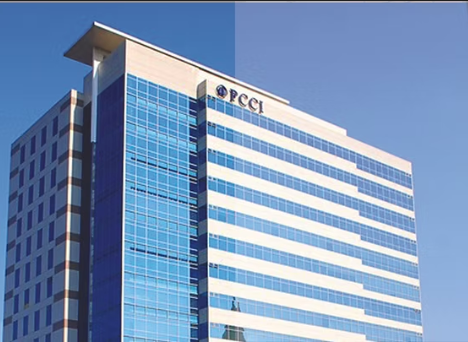
In a strongly worded statement Monday, the Philippine Chamber of Commerce and Industry (PCCI) expressed “grave concern” over the growing instability, saying the Philippines is dangerously exposed to economic shockwaves from the region.
The warning is blunt — what explodes abroad could detonate at home.
Oil shock risk
The Philippines sources all of its crude oil imports from the Middle East, leaving it highly vulnerable to supply disruptions. With fears mounting over instability along key shipping routes like the Strait of Hormuz, global oil prices have already begun climbing.
For Filipino consumers, that means a familiar domino effect: higher pump prices, rising transport costs, and more expensive food and basic commodities.
Business leaders are now urging the government to move quickly — secure alternative fuel sources, diversify suppliers, and prepare mitigation measures before another inflation spike takes hold.
Two million livelihoods at stake
The group also pointed to the safety of more than two million overseas Filipino workers (OFWs) deployed across the Middle East.
Beyond the humanitarian risk, any escalation could disrupt remittance flows — a lifeline for millions of Filipino families and a stabilizing force for the Philippine economy. Remittances fuel household spending, keep small businesses afloat, and support tuition, housing, and daily necessities.
PCCI is calling on authorities to activate emergency response mechanisms, maintain close coordination with workers on the ground, and be ready to fast-track evacuation and repatriation efforts if conditions worsen.
Inflation threat looms again
At home, the business sector fears a painful replay of recent inflation surges. Higher fuel costs, disrupted supply chains, and weaker remittance inflows could once again erode purchasing power — hitting low- and middle-income families the hardest.
The chamber’s message is clear: the Philippines cannot afford to be reactive. With global tensions simmering, preparedness — not panic — must define the government’s next move.
For now, Filipino consumers and businesses alike are bracing for impact, hoping diplomacy abroad will spare them another round of economic strain at home.