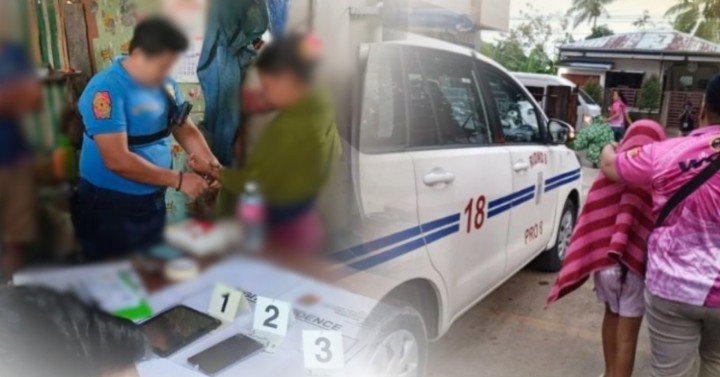
MANILA(February 23) — Eighteen children are now safe. Police say the next step is justice — and community vigilance.
The Philippine National Police (PNP), through its Women and Children Protection Center (WCPC), rescued 18 minors in three separate operations on Feb. 18 and 19, intensifying its crackdown on online child sexual abuse and trafficking in persons.
The operations spanned Abuyog, Cagayan de Oro City, and Tanauan City — underscoring how exploitation cases are no longer confined to major urban hubs but can surface in quiet towns and neighborhoods.
In Leyte, seven children were rescued and a Filipino woman was arrested following digital forensic findings linked to the earlier apprehension of a 50-year-old Norwegian national for possession of child sexual abuse materials. Authorities recovered mobile phones, a tablet, and explicit video files involving minors.
In Cagayan de Oro City, one female minor was rescued through coordination with the Philippine Internet Crimes Against Children Center and international law enforcement partners.
In Tanauan City, 10 minors believed to be trafficking victims were recovered in a joint operation with local police and the City Social Welfare and Development Office.
PNP chief Jose Melencio Nartatez Jr. stressed that rescue is only the beginning.
“Our priority is always the safety and recovery of the victims. We ensure that rescued children are immediately placed under proper care,” he said. “At the same time, we build strong cases against perpetrators.”
Community safety at stake
Law enforcement officials say these cases highlight a growing reality: exploitation often happens behind closed doors, facilitated by digital platforms and financial transactions that can go unnoticed without tip-offs.
Barangay officials, school administrators, and parents are being urged to stay alert for red flags — unexplained gifts to minors, sudden access to gadgets, secretive online activity, or unfamiliar adults frequently visiting homes.
Police also reminded communities that reporting suspicious activity can prevent abuse before it escalates. Local Women and Children Protection Desks in police stations are mandated to handle complaints discreetly.
“The protection of our children is non-negotiable. Hindi tayo titigil sa pagprotekta at pagbibigay hustisya para sa mga biktima,” Nartatez said.
All rescued minors are now under protective custody for psychosocial assessment and care, while investigators continue to trace digital footprints and financial trails that may lead to additional suspects.
For communities, the message is clear: child protection is not just a police operation — it is a shared responsibility.