MANILA (March 26) — The arrival of the Philippines’ first shipment of Russian crude in five years signals more than a shift in suppliers — it underscores the country’s deepening energy insecurity as global conflict disrupts traditional oil routes.
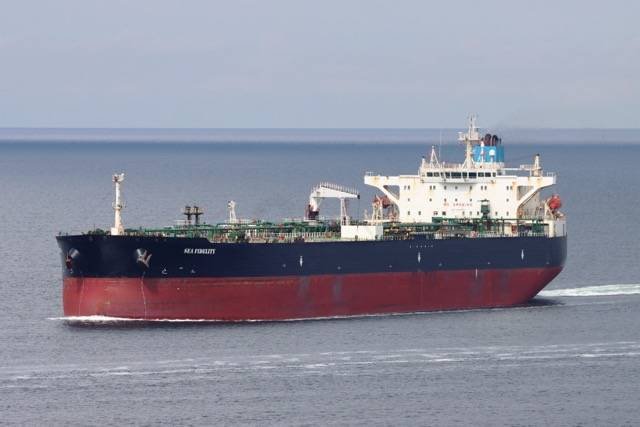
A tanker carrying 100,000 tonnes of ESPO blend crude from Russia’s Kozmino port docked at Petron’s refinery in Limay, Bataan on March 24, according to shipping data from analytics firms LSEG, Kpler, and OilX. The delivery marks Manila’s tentative entry into a politically sensitive oil market long shaped by sanctions and shifting alliances.
The move comes as tensions in the Middle East — particularly threats to the Strait of Hormuz amid the Iran–United States conflict — raise fears of supply disruptions. The Philippines, heavily dependent on Middle Eastern oil, faces heightened exposure to both shortages and price volatility.
Government officials have framed the Russian import as part of a broader strategy to diversify supply. Energy Secretary Sharon Garin earlier said the country was exploring “all options,” including Russia, while also engaging suppliers from Thailand, Japan, and Singapore.
But the timing is critical. The shipment falls within a narrow 30-day window granted by the United States that temporarily eased sanctions on Russian oil already in transit — a policy adjustment driven by wartime supply concerns. Whether Manila can sustain such imports beyond that window remains uncertain.
President Ferdinand Marcos Jr.’s declaration of a national energy emergency on Wednesday reflects the urgency. The order grants the government sweeping powers to fast-track fuel procurement, allow advance payments for supply contracts, and secure the distribution of fuel and other essential goods as global prices rise.
Set to last a year, the emergency measure highlights how external conflicts are increasingly dictating domestic policy. Analysts warn that while diversification may cushion immediate shocks, it also exposes the Philippines to geopolitical risks tied to sanction regimes and diplomatic balancing.
For now, the Russian shipment offers short-term relief. But it also raises a longer-term question: how far Manila is willing to go — and risk — to keep its energy lifeline stable in an increasingly volatile world.