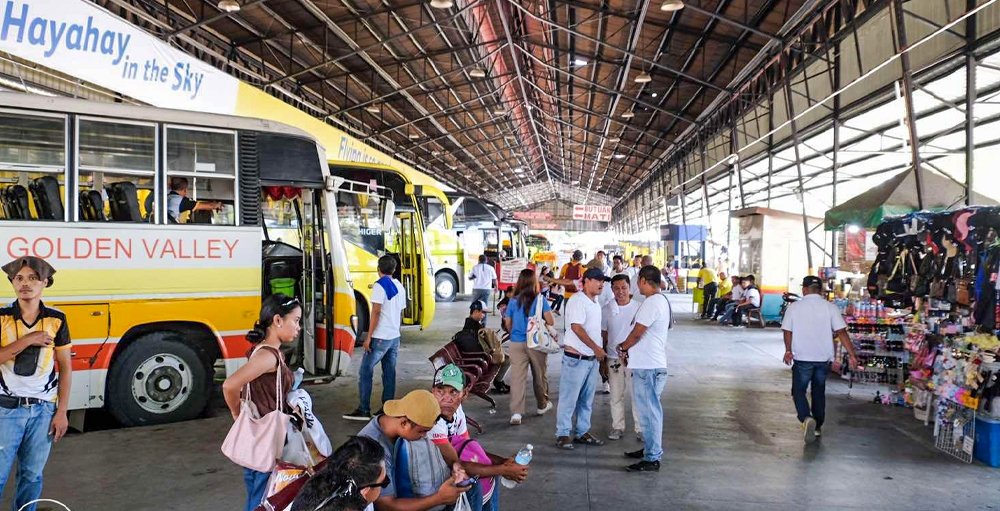
Provincial bus fares rise as fuel costs surge amid global tensions

Date:

Share post:

Photo: City Government of Davao

DAVAO CITY (March 17) — Commuters traveling between cities and provinces may soon feel the impact of rising fuel prices after the Land Transportation Franchising and Regulatory Board (LTFRB) approved a provisional increase in provincial bus fares.

The fare adjustment — ranging from P0.35 to P1 depending on the type of bus service — comes as transport operators grapple with sharply rising fuel costs linked to escalating conflict in the Middle East and continued increases in global oil prices.

The LTFRB issued the order on March 13 and released an updated fare guide to ensure that provincial bus operators follow a uniform pricing structure across routes nationwide.

“The approved adjustments have already been reflected and incorporated in the newly issued Fare Guide to ensure uniform implementation across all provincial bus operators and routes,” the transport regulator said.

How much fares will increase

Under the new fare guide, passengers may see the following adjustments:

  • Air-conditioned provincial buses – additional P0.35 per kilometer
  • Super deluxe buses – additional P0.35 per kilometer
  • Deluxe buses – additional P0.35 per kilometer
  • Luxury buses – additional P0.45 per kilometer
  • Ordinary buses – P1 increase in base fare and P0.30 per succeeding kilometer

While the increase may appear small per kilometer, the added cost could become more noticeable on long-distance trips, particularly for daily commuters, students, and workers traveling between provinces.

Ripple effects of rising fuel prices

Transport fare adjustments often follow sustained increases in fuel prices, which make up a large portion of operating costs for bus companies. In recent weeks, pump prices of gasoline and diesel have surged amid global supply uncertainties and geopolitical tensions in the Middle East.

For transport operators, higher fuel prices can quickly erode already thin profit margins. Industry groups have repeatedly warned that without fare adjustments, some routes could become financially unsustainable.

However, for many commuters — especially those in rural and provincial areas — even modest fare increases can add pressure to already tight household budgets.

Provincial buses remain a lifeline mode of transportation, linking communities to cities where many residents work, study, or access essential services such as hospitals and government offices.

Monitoring compliance

The LTFRB has directed bus operators to post updated fare matrices inside their vehicles so passengers can verify the correct fare for their route.

Commuters are also encouraged to report incidents of overcharging or violations to the agency.

Transport officials said the fare adjustment aims to strike a balance between protecting commuters and ensuring that operators can continue providing reliable public transportation despite rising operating costs.

The updated fare guide is available on the official website of the Land Transportation Franchising and Regulatory Board for passengers who want to check the correct fares for their routes.

spot_img

Related articles

US oil depot talk stirs Davao, but MinDA says no notice

DAVAO CITY (April 17) — The Mindanao Development Authority (MinDA) clarified that it has received no formal communication...

SSS rolls out ₱60B aid, moves up pension increase

MANILA (April 17) — The Social Security System (SSS) is rolling out a sweeping package of loan relief...

Mindanao revives 50:50 energy mix goal as fuel volatility bites

DAVAO CITY (April 17) — A renewed push to rebalance Mindanao’s energy mix is gaining traction, with planners...

Davao del Sur towns mobilize ₱70-M energy relief, tighten accountability amid fuel crisis

STA. CRUZ, Davao del Sur (April 17) — Local governments in Davao del Sur have earmarked up to...