MANILA (March 24) — A looming two-day nationwide transport strike is not just a protest over rising fuel prices—it is fast becoming a referendum on the government’s handling of the country’s deregulated oil industry and its failure to shield vulnerable sectors from global shocks.
The transport group Manibela announced it will lead a broad coalition of drivers and operators in halting operations from March 26 to 27, warning of widespread disruption across public transport and cargo delivery.
But beyond the expected gridlock, the action underscores a deeper grievance: that years of policy choices have left both drivers and commuters exposed to volatile fuel costs with little meaningful protection.
“We have reached our breaking point,” said Manibela chair Mar Valbuena, appealing directly to President Ferdinand Marcos Jr.. “We don’t want commuters to suffer, but our hardship is being ignored.”
The strike is backed by the No To Oil Price Hike Coalition, a grouping of transport workers, motorists, and consumer advocates calling for sweeping interventions—including the removal of fuel taxes and the repeal of the Oil Deregulation Law.
At the heart of the protest is a long-running policy debate.
Since the passage of the Oil Deregulation Law in 1998, the government has largely ceded control over fuel pricing to market forces. While intended to promote competition, critics argue the system has instead limited the state’s ability to intervene during price surges—leaving consumers and small operators to absorb the shocks.
Transport groups say the current crisis exposes the limits of that framework.
Fuel prices have climbed amid global instability, with geopolitical tensions and supply uncertainties driving costs upward. For drivers operating on thin margins, even small increases can erase daily earnings. For commuters, the ripple effects come in the form of higher fares and reduced transport availability.
Yet protesters argue that government responses—typically short-term subsidies or targeted aid—have been reactive and insufficient.
“The state has the power to control oil prices and provide relief,” the coalition said, criticizing policies that they claim favor major oil firms such as Shell, Caltex, and Petron over ordinary consumers.
The group is also linking domestic fuel prices to broader geopolitical dynamics, blaming persistent global conflicts for supply disruptions—though such claims remain contested among economists, who point to a more complex mix of market and political factors.
What is less disputed is the scale of the impact.
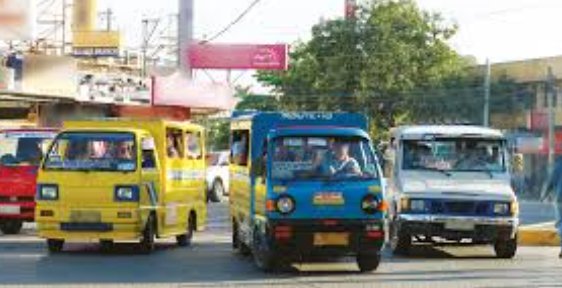
The planned strike is expected to involve jeepney drivers, UV Express operators, truckers, bus operators, motorcycle taxi riders, and transport network vehicle service (TNVS) drivers—effectively spanning the backbone of the country’s mobility and logistics systems.
It follows a series of escalating actions: a one-day transport holiday earlier this week and separate strikes staged by other groups, including PISTON.
The mounting protests suggest a sector under sustained strain—and increasingly willing to escalate.
For the Marcos administration, the timing is politically sensitive. Calls to suspend fuel taxes or revisit deregulation policies carry fiscal and economic implications, but inaction risks further unrest in a sector critical to daily life and economic activity.
The question now is not only how the government will respond to this week’s strike—but whether it is prepared to confront the structural issues at its core.
Because for transport workers, the issue is no longer just about fuel prices.
It is about whether a system built on market liberalization can still deliver fairness—and whether the state is willing to step back in when it no longer does.