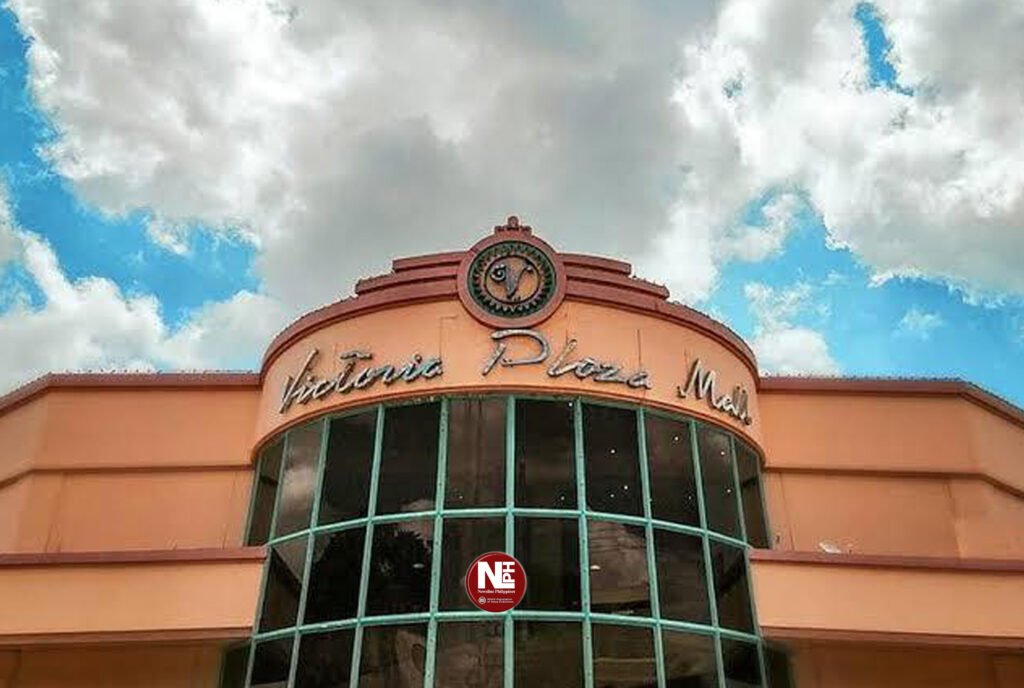
DAVAO CITY (January 3) — When Victoria Plaza shut its doors on December 31, 2025, it marked more than the end of Davao City’s first mall. It closed a public space that shaped everyday life for three decades—and reopened lingering questions about accountability, redevelopment delays, and who truly benefits from “progress.”
For 32 years, Victoria Plaza was where families spent weekends, students waited out class breaks, senior citizens built friendships over coffee, and young people experienced first dates, first movies, and first jobs.
Its sudden silence at year’s end stirred an outpouring of nostalgia online—but also unease over the fate of a prime 9.6-hectare property long promised a new life.
Opened on March 16, 1993, Victoria Plaza Commercial Center was envisioned as a symbol of Davao’s progress. Crowds on opening day were so overwhelming that escalators were briefly shut down.
Since then, it evolved into a social commons, not just a retail hub—one of the few truly accessible public spaces in a rapidly commercializing city.
That role slowly diminished after the mall was acquired in 2019 by the NCCC Group of Companies and renamed NCCC Mall VP.
Redevelopment was announced, then repeatedly postponed. Management cited technical problems, including a failed air-conditioning system, followed by the COVID-19 pandemic.
Years passed with limited public updates, leaving tenants, workers, and patrons in limbo.
For communities who relied on the mall daily, the closure felt abrupt. Senior citizens who regularly gathered at the food hall described the loss not as inconvenience, but displacement—of routines, friendships, and a safe, low-cost place to belong.
Employees and small vendors, meanwhile, quietly absorbed the uncertainty that came with prolonged delays and an eventual shutdown.
A farewell walk on December 30, led by photographer Jojie Alcantara and supported by NCCC, honored Davao’s veteran street photographers who documented the city’s life since the 1960s.
It was a fitting tribute—but also a reminder that the mall’s story is inseparable from the people who animated it, not just the corporations that owned it.
NCCC president and CEO Lafayette A. Lim acknowledged that original redevelopment plans were abandoned after years of difficulty, saying the company could no longer pursue its “original dream” for Victoria Plaza. What that dream was, how decisions were made, and why the public remained largely uninformed over several years, were questions left unanswered.
In 2026, the property will be taken over by Robinsons Land Corporation. While officials say the site will be transformed into a modern mixed-use complex, no detailed plans, timelines, or public consultations have been disclosed.
For a landmark that once belonged to the daily lives of Dabawenyos, the lack of transparency has become part of its closing chapter.
Victoria Plaza’s end mirrors a broader shift in Davao’s urban landscape—where older communal spaces give way to newer, more exclusive developments, and where “modernization” often arrives without meaningful public engagement.
As bulldozers and blueprints loom, Dabawenyos are left with memories—and expectations. Progress, many say, should not erase history without accountability, nor replace shared spaces without explaining who stands to gain.
Victoria Plaza is gone. What replaces it will test whether Davao’s growth honors its people as much as its profits.