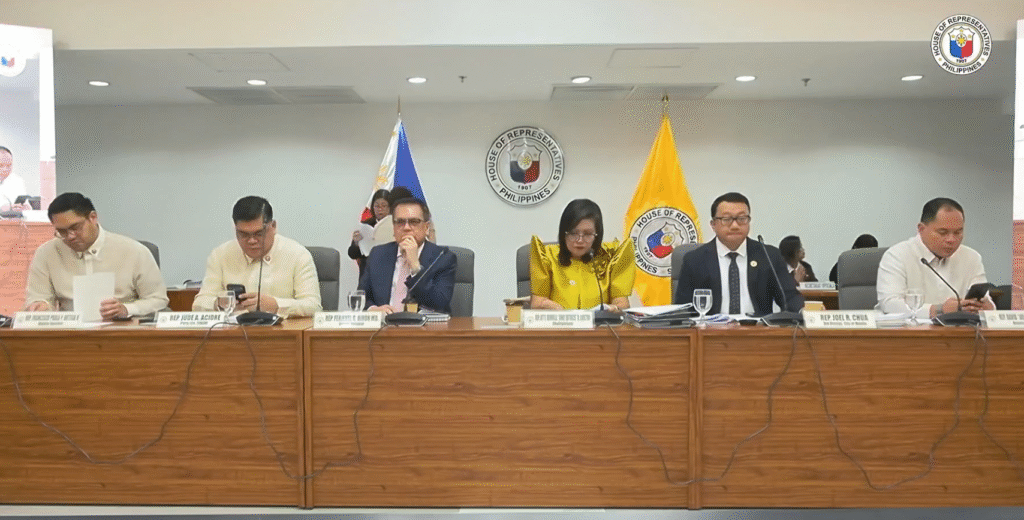
MANILA (March 20) — With the House Committee on Justice declaring the third and fourth impeachment complaints against Vice President Sara Duterte “sufficient in grounds,” the impeachment process has officially entered its next phase, setting a strict legal timeline that could determine her political future ahead of the 2028 elections.
Where things stand
- Of the four complaints filed in early 2026, only the third and fourth survived procedural review. The first, filed by the Makabayan bloc, was dismissed for violating the one-year bar, while the second was voluntarily withdrawn.
- The surviving complaints allege misuse of P612.5 million in confidential funds, unexplained wealth, and public threats against the President.
- Duterte was given a non-extendible 10-day period to respond. Her 15-page submission on March 16 was deemed a “non-answer,” citing legal technicalities rather than addressing the substance of the allegations.
- On March 18, the committee formally recognized the sufficiency of the complaints following motions by Senior Deputy Majority Leader Lorenz Defensor and Deputy Speaker Janette Garin.
Next steps in the House
- Formal evidentiary hearings are scheduled for March 25 to determine probable cause under Section 7 of the House Rules on Impeachment Proceedings.
- The committee can issue subpoenas to compel witnesses or documents.
- The panel has up to 60 session days to submit a report and recommendation to the plenary.
- If the committee recommends impeachment, at least one-third of House members must vote to transmit the articles to the Senate.
The Senate trial
- Once transmitted, the Senate convenes as an impeachment court. Conviction requires a two-thirds vote of all senators.
- A conviction would remove Duterte from office and bar her from holding public office again.
- An acquittal would legally protect her for another year and could energize her 2028 presidential bid.
VP Duterte’s likely strategy
- She has framed the proceedings as a “conspiracy” and “political weapon,” signaling a heavy political defense alongside legal challenges.
- Her team may continue to dispute jurisdiction, cite the one-year bar, or seek Supreme Court intervention to slow proceedings.
- Written defenses may rely on denials and legal technicalities rather than addressing the details of alleged fund misuse.
Context and history
- This is essentially a “take two” following the failed 2025 impeachment, which the Supreme Court struck down for violating due process and the one-year bar rule.
- The SC ruling required that no new impeachment complaint could proceed until Feb. 6, 2026, explaining the timing of the current proceedings.
Political implications
- A successful House vote would shift the battleground to the Senate, where the stakes are final and constitutional.
- An acquittal could become a powerful political narrative, positioning Duterte as a survivor of a politically charged impeachment—potentially boosting her profile for 2028.