KORONADAL CITY, South Cotabato (February 14) — For families living one medical emergency away from debt, the additional ₱1 billion secured by the Department of Health (DOH) for its zero balance billing (ZBB) program offers renewed hope.
But beyond the headline figure, health advocates say the real test lies in whether the expanded budget can address emerging gaps in access, staffing, and hospital capacity — especially in remote and underserved communities.
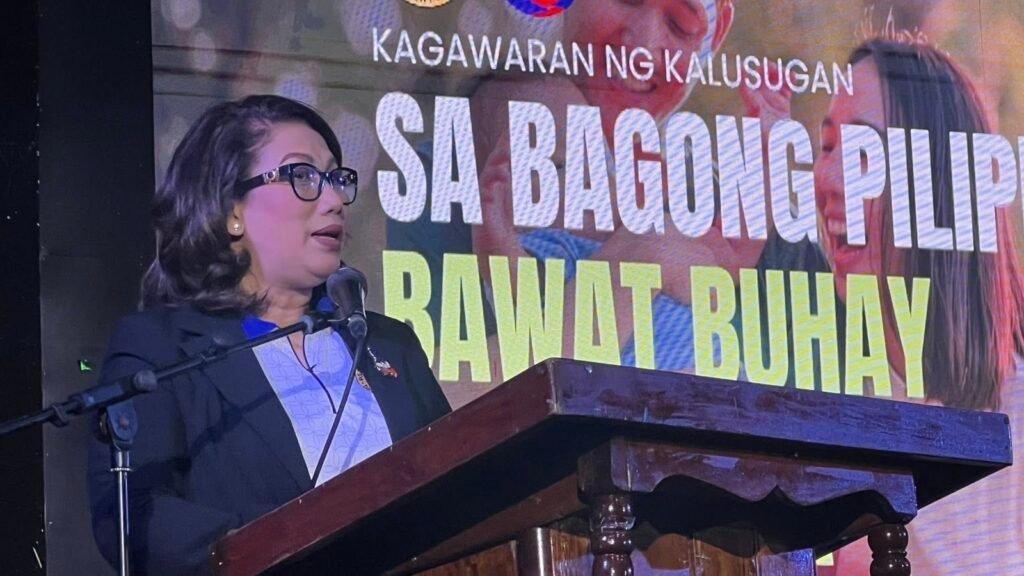
Health Undersecretary Mary Ann L. Palermo-Maestral announced the funding increase during the Usapang Budget Natin forum on February 10 at the South Cotabato Gymnasium and Cultural Center, saying the move aims to shield more Filipinos from out-of-pocket hospital costs.
“The health sector has a total budget of ₱440 billion, the third largest allocation in the national budget. This clearly shows that the government prioritizes the health of every Filipino,” she said.
What Zero Balance Billing Means on the Ground
Under the ZBB program, eligible patients confined in DOH-run hospitals pay nothing beyond what is covered by state health insurance and government subsidies. Since its rollout between July and December 2025, the program has assisted more than 1.3 million patients nationwide.
Currently, ZBB is implemented in 82 DOH-operated hospitals and select government-owned and controlled corporation (GOCC) facilities.
For low-income families, this can mean the difference between recovery and long-term debt. In many rural areas of Mindanao, hospital bills — especially for surgeries, high-risk pregnancies, and emergency care — often force families to pawn land, livestock, or take out high-interest loans.
The Emerging Pressure Points
However, health workers and local officials point to structural issues that money alone must strategically address:
1. Overcrowded Public Hospitals As more patients become aware of ZBB, government hospitals are seeing rising admissions. Without parallel investments in beds, equipment, and infrastructure upgrades, free services could strain already congested facilities.
2. Health Worker Shortages Many public hospitals in remote provinces face shortages of doctors, nurses, and medical technologists. A higher patient load without additional plantilla positions or incentives for rural deployment could slow service delivery.
3. Geographic Inequality While ZBB covers confinement costs, patients from geographically isolated barangays still shoulder transportation, food, and incidental expenses. For families traveling hours to reach tertiary hospitals, “free hospitalization” does not always mean zero financial burden.
4. Supply Chain and Medicine Availability Inconsistent supply of medicines and diagnostic services can undermine the program’s impact. If drugs or laboratory tests are unavailable in-house, patients may still pay out of pocket elsewhere.
Bigger Budget, Bigger Expectations
The DOH’s total ₱440-billion allocation this year — 73 percent higher than last year — signals an aggressive investment in health. But public health analysts note that the impact of ZBB will depend on how effectively funds are distributed across regions and facilities.
Maestral assured that every peso would directly enhance healthcare services.
“Our goal is to make people feel that there is a government ready to support them, especially in times of need,” she emphasized.
For communities in Mindanao and other underserved regions, the question now is not just whether care is free — but whether it is accessible, timely, and of quality.
The ₱1-billion boost may widen the safety net. Ensuring that it reaches the most vulnerable — and strengthens the system behind it — will determine whether zero balance billing becomes a transformative reform or simply a temporary relief.