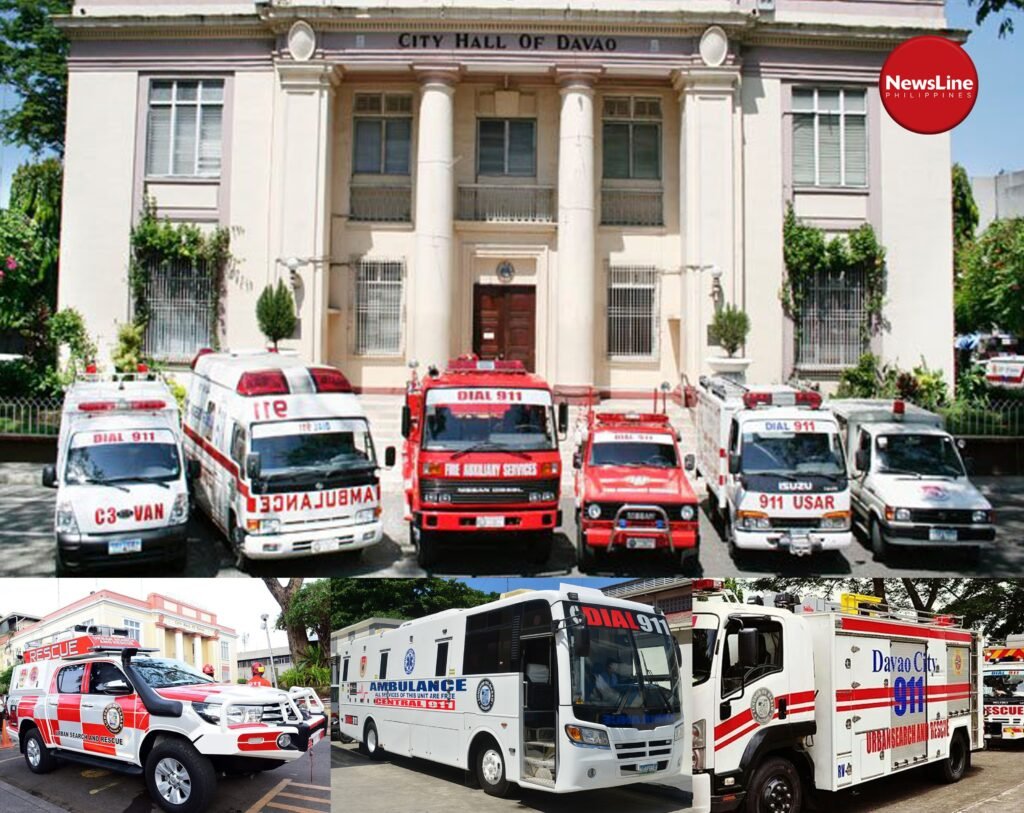
DAVAO CITY — The City Disaster Risk Reduction and Management Office (CDRRMO) has strengthened its capacity to address unexpected flooding, particularly during the rainy season.
Retired Police Colonel Alfredo Baloran, head of the CDRRMO, shared during the I-Speak session on Thursday that their responders have been on alert since the onset of La Niña, as localized thunderstorms have become frequent in Davao City.
“Our office is constantly monitoring and coordinating with the Barangay Disaster Risk Reduction and Management Councils (BDRRMCs), volunteers, and response clusters. We are always prepared,” he said.
Baloran emphasized the importance of coordination and readiness among the response teams. “We always remind them, especially during weather disturbances, to check in with our operation center so we can account for available resources and responders who can be deployed at any time,” he added.
Enhanced Resources and Monitoring
To improve disaster preparedness, the city recently acquired additional emergency equipment and is set to receive 10 more rescue vehicles this month.
These vehicles, along with other planned upgrades, aim to enhance the CDRRMO’s capacity to quickly deploy teams to affected communities.
Cameras have been installed in upstream areas to monitor water levels, supported by an early warning system in higher-elevation zones.
“With our upstream cameras, we can determine if water will reach downstream areas. This gives us two to three hours to prepare and implement pre-emptive evacuations,” Baloran explained.
Ongoing Desilting and Satellite Substations
The city continues to conduct desilting operations in flood-prone areas to mitigate risks. Additionally, satellite substations have been established in barangays such as Malabog and Marilog to bring services closer to residents.
“Our office is continuously upgrading resources to support these satellite offices,” Baloran noted.
These initiatives underscore the city’s commitment to enhancing its disaster response capabilities, ensuring the safety and well-being of its residents.