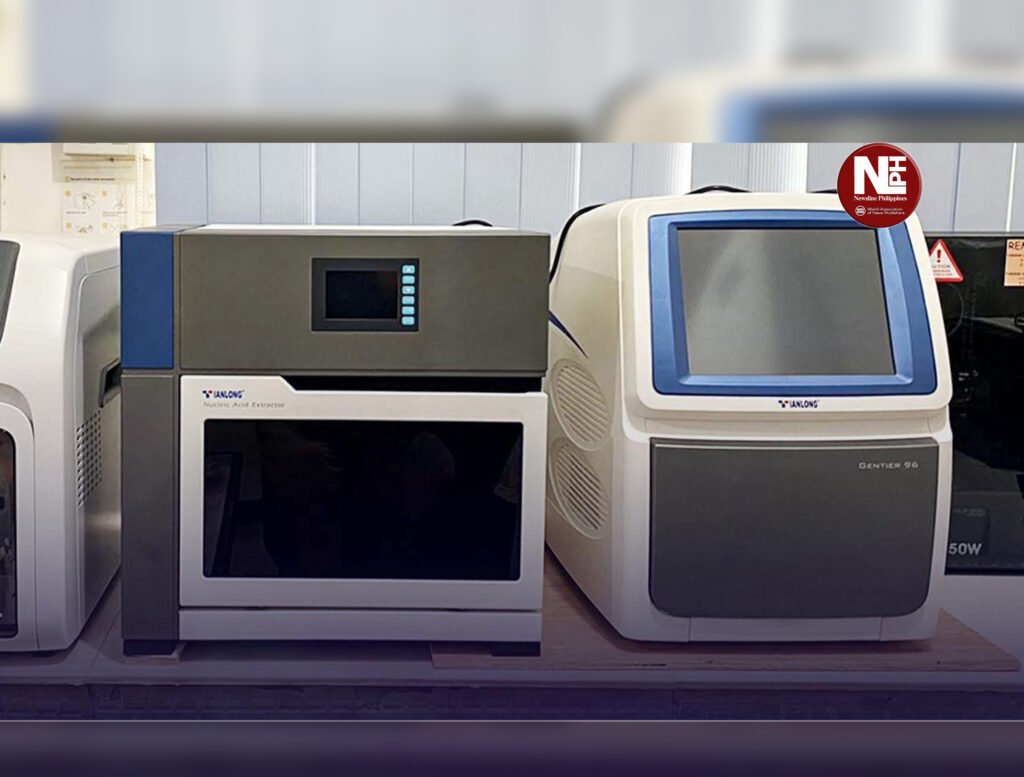
DAVAO CITY (August 8) – The City Veterinarian’s Office (CVO) has upgraded its diagnostic capabilities with new lab equipment to better detect and diagnose animal diseases.
The Davao City Animal Disease Diagnostic Laboratory (DCADDL) in Maa is now equipped with an RT-PCR machine and an ELISA system. Acting CVO Head Dr. Gay Pallar said this makes Davao City the first LGU in the region capable of independently testing for transboundary animal diseases like ASF and Avian Influenza.
The RT-PCR machine detects viruses by analyzing DNA or RNA, while the ELISA system identifies antibodies or antigens linked to bacterial, viral, or fungal infections.
To accommodate the new equipment, the lab will be relocated to the CVO compound in Malagos. Once operational, the facility will accept samples from nearby provinces and municipalities. Minimal testing fees may be introduced, pending approval from the City Treasurer’s Office and Sangguniang Panlungsod.
Davao also operates the only red tide monitoring lab in Mindanao, located at Bankerohan Market, which tests mussels for paralytic shellfish poisoning using the mouse bioassay method.