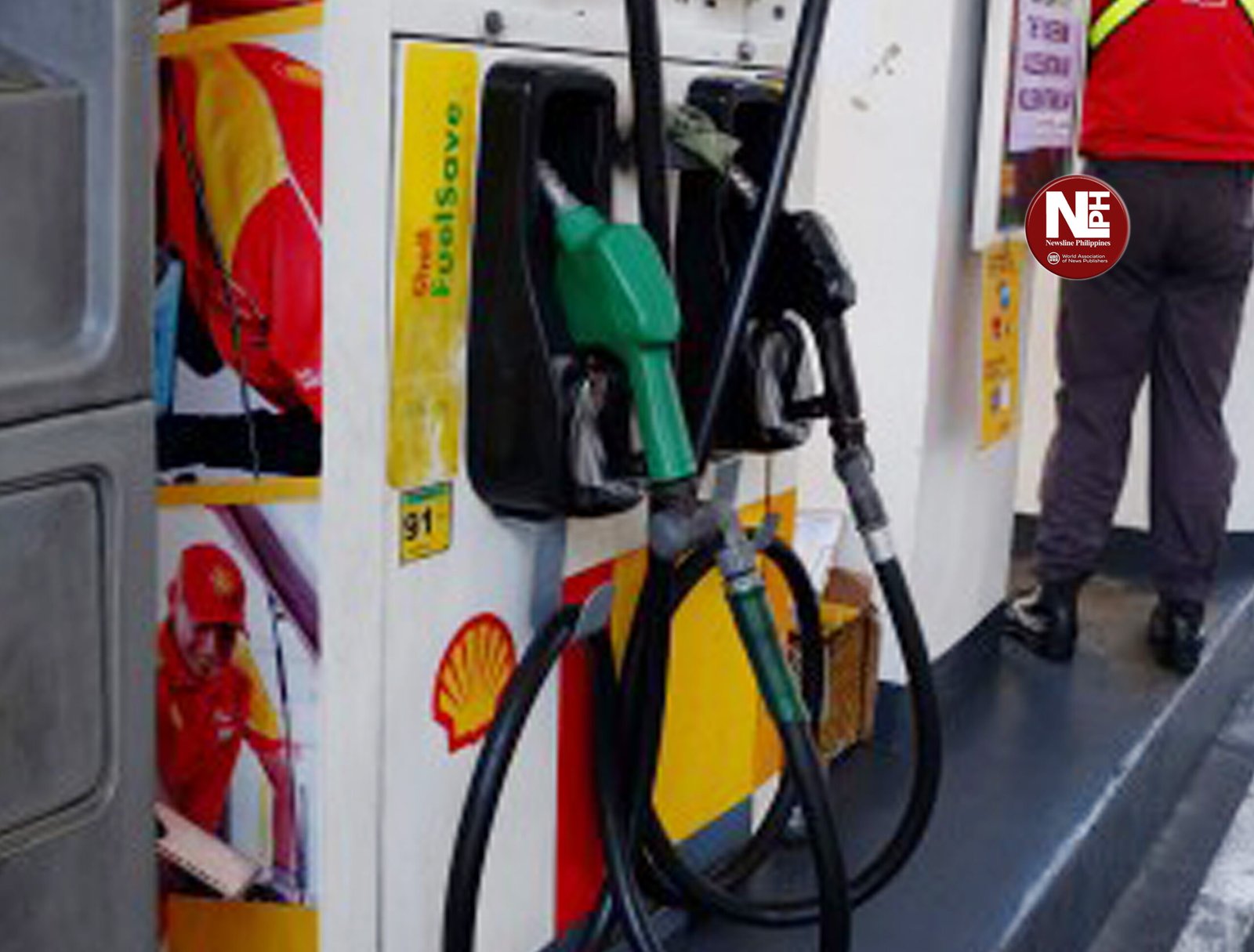
MANILA (March2 ) — Rising tensions in the Middle East are beginning to shake global oil markets, raising concerns about possible fuel price hikes in the Philippines and the broader economic impact on Filipino households.
The crisis involving Iran, Israel, and the United States has triggered fears of disruption in one of the world’s most critical energy corridors — the Strait of Hormuz.
Roughly 20 percent of the world’s oil supply passes through this narrow waterway linking the Persian Gulf to global markets. Any military escalation that threatens tanker routes could immediately push crude oil prices higher.
Why Oil Markets React Quickly to Middle East Conflicts
The Middle East produces nearly one-third of the world’s crude oil. Even the possibility of supply disruption can cause traders to drive prices upward.
Energy analysts warn that if tensions escalate further:
- Global crude prices could surge significantly
- Shipping insurance costs for oil tankers may increase
- Oil supply chains could experience delays
- These factors typically translate into higher fuel costs worldwide within weeks
The crisis will rapidly affect the Philippines since it imports almost all its oil.
Higher global crude prices could lead to:
⛽ Fuel Price Hikes
Gasoline, diesel, and kerosene prices at local pumps may rise.
🚚 Increased Transport Costs
Public transportation fares and logistics expenses could increase.
🥬 Higher Food Prices
Fuel is a key component in food distribution and agricultural production.
⚡ Electricity Cost Pressure
-Many power plants still rely on oil-based fuel sources.
-Inflation Risks for Filipino Families
Economists warn that prolonged instability in the Middle East could add inflationary pressure to the Philippine economy.
When oil prices rise, the ripple effect spreads across sectors:
- transportation
- food supply chains
- manufacturing
- electricity generation
- This ultimately affects the daily spending power of Filipino households.