MANILA (March 16) — For many overseas Filipino workers, the journey home this week was not part of a long-planned vacation but an urgent escape from a region gripped by rising military tensions.
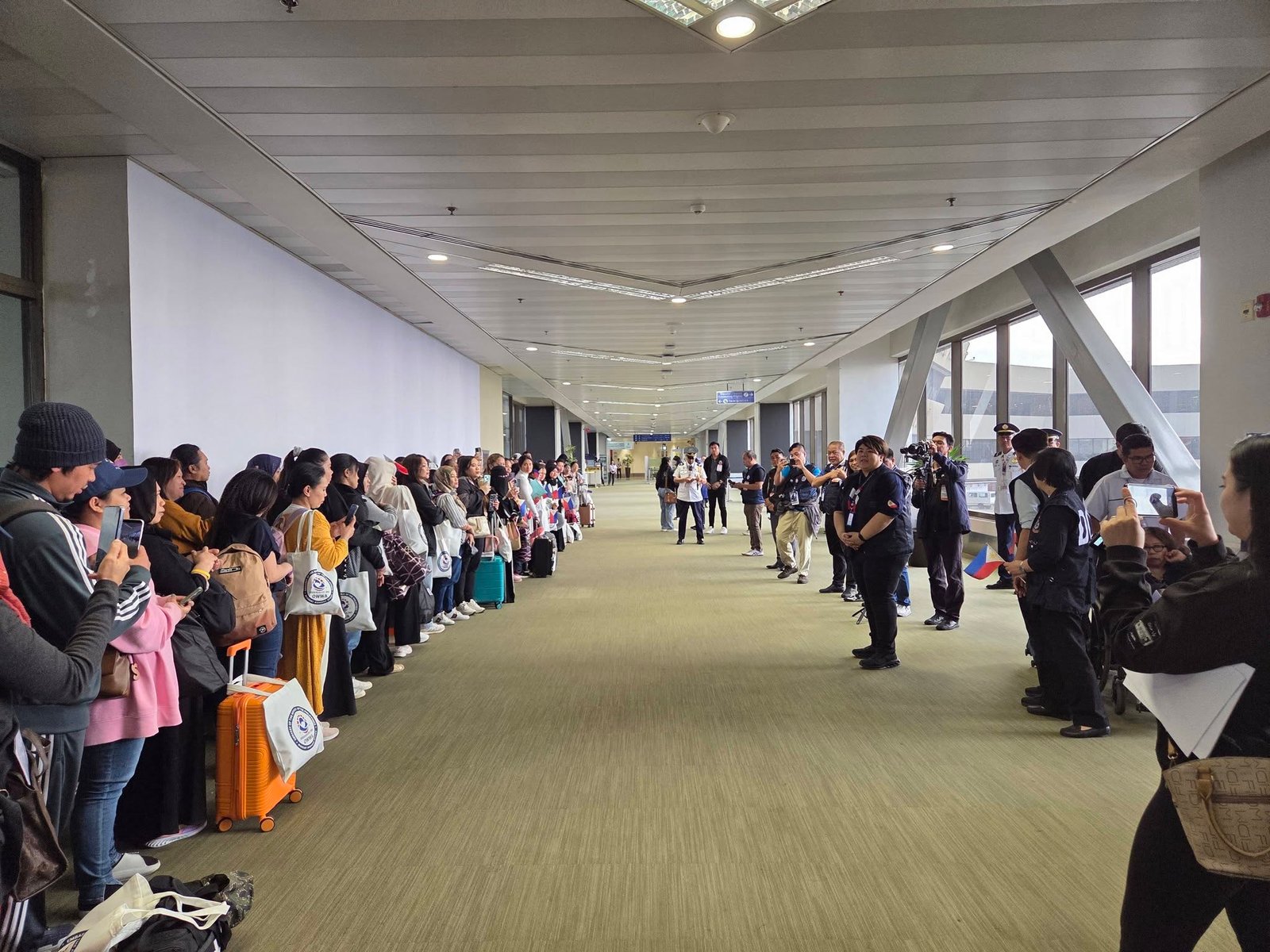
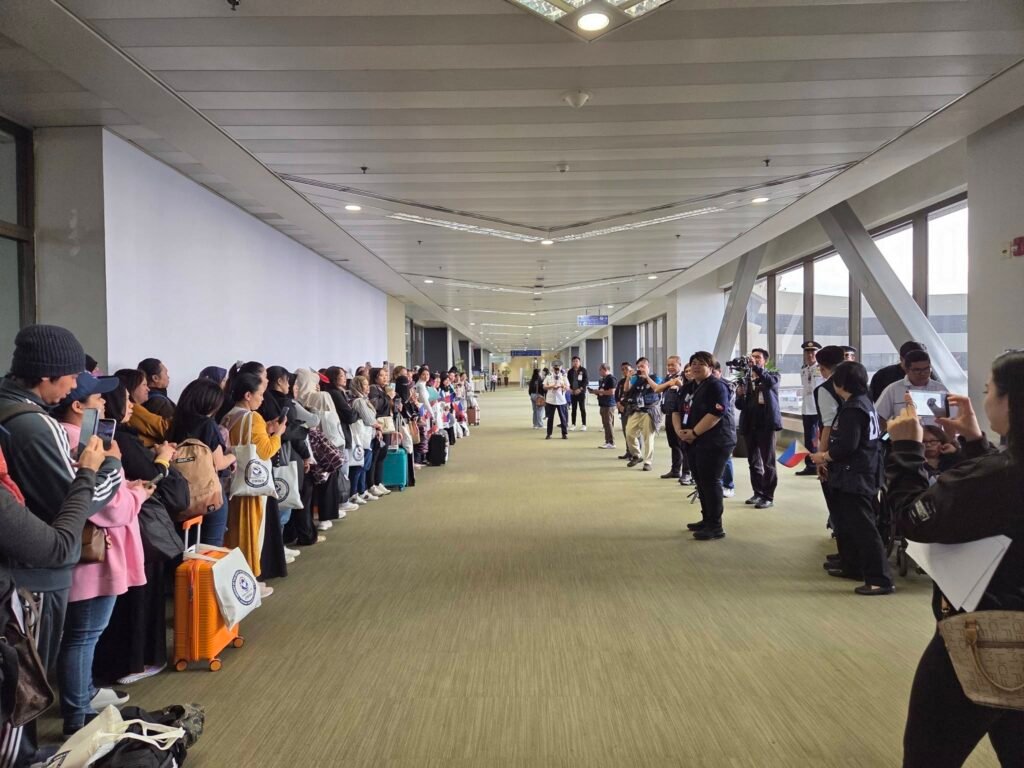
Tired but relieved, dozens of Filipinos stepped off repatriation flights at Ninoy Aquino International Airport on Sunday after leaving jobs, homes, and in some cases years of work behind in the Middle East.
The Department of Migrant Workers said 343 Filipinos from Saudi Arabia and Bahrain arrived aboard the second chartered repatriation flight arranged with Philippine Airlines. Earlier that morning, 26 overseas Filipino workers (OFWs) from Qatar who chose voluntary repatriation also returned home.
For many, the decision to leave came after days of anxiety as news spread of military escalations between the United States and Iran, raising fears that the conflict could spill into areas hosting foreign military bases across the Gulf.
Some returning workers said they began packing their bags after hearing missile warnings, seeing increased security patrols, or receiving alerts from their employers and embassies.
But leaving was not an easy choice.
For many OFWs, returning home means abandoning stable jobs that support families thousands of kilometers away. Some had only recently renewed contracts, while others still carry debts from placement fees or loans used to finance their migration.
The Department of Migrant Workers reported that 1,315 Filipinos affected by the Middle East tensions have so far been assisted, including 1,022 OFWs and 293 dependents as of March 14.
While the government has organized repatriation flights and assistance at the airport, migrant advocates note that the deeper uncertainty begins after arrival.
Many returning workers must now confront the same dilemma that pushed them abroad in the first place: limited employment opportunities at home.
For families who depend on remittances, the sudden loss of overseas income can be devastating.
The Philippines has long relied on migrant labor, with millions of Filipinos working across the Middle East in sectors ranging from domestic work to construction, healthcare, and hospitality. Their remittances have become a vital pillar of the country’s economy.
Yet crises such as armed conflicts, economic downturns, and political instability repeatedly expose the vulnerability of Filipino workers abroad.
For the repatriated OFWs arriving this week, the relief of stepping onto Philippine soil is mixed with uncertainty about what comes next — a reminder that behind the statistics of conflict and diplomacy are workers whose lives and livelihoods are often caught in the crossfire.