BUTUAN CITY (May 18) — In the upland villages of Butuan City, childbirth once meant a dangerous race against time.
For some pregnant women living in isolated sitios, labor involved hours of travel through muddy roads, river crossings, and rough mountain trails — in extreme cases, even horseback rides — just to reach the nearest health facility.
Now, the city’s halfway houses are changing that story.
Established in 2024 by the city government and barangay local government units, the facilities serve as temporary shelters for expectant mothers nearing delivery, especially those from geographically isolated and disadvantaged areas (GIDAs). Instead of risking childbirth on the road, mothers can now stay near birthing centers days or weeks before labor begins.
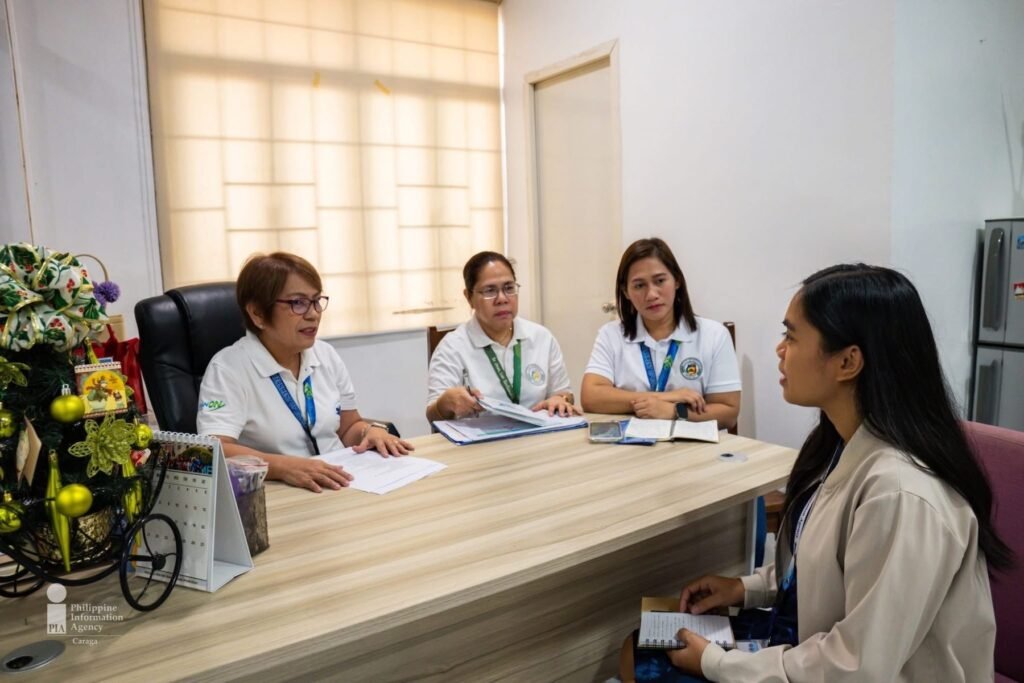
“It ensures the safety of both the mother and baby and helps prevent maternal deaths,” said Dr. Teresita Helen V. Makiling, head of the City Health Department, noting that transportation remains one of the biggest barriers to maternal care in far-flung communities.
The initiative may appear simple — a safe place to wait for childbirth — but its impact reaches far beyond shelter.
Across the Philippines, maternal health remains a major public health challenge. The Philippine Statistics Authority reported that the country’s maternal mortality ratio improved from 151 maternal deaths per 100,000 live births in 2020 to 119 in 2024, but this still remains far above the United Nations target of below 70 by 2030.
The United Nations Population Fund estimates that around 2,400 Filipino women and girls continue to die yearly from preventable pregnancy and childbirth complications, many in poor and underserved communities where distance and lack of transportation delay emergency care.
That is exactly the gap Butuan’s halfway houses aim to close.
Barangay health workers regularly monitor pregnant women in remote communities and encourage those nearing childbirth to temporarily relocate to the halfway houses. Once labor begins, mothers can immediately be brought to nearby birthing facilities instead of enduring risky travel from isolated villages.
For families in the hinterlands, the program has also eased financial and emotional burdens. Medical emergencies that once required scrambling for motorcycles or improvised transport can now be managed through quicker access to healthcare workers and referral systems.
Currently, Butuan City operates two halfway houses in Barangays San Mateo and Maguinda. In San Mateo alone, at least four pregnant women have already benefited from the facility since it opened. City officials hope more barangays will replicate the model as part of broader grassroots healthcare efforts.
For many mothers in Butuan’s remote communities, the halfway houses represent more than temporary shelters — they are lifelines bringing safer childbirth within reach.