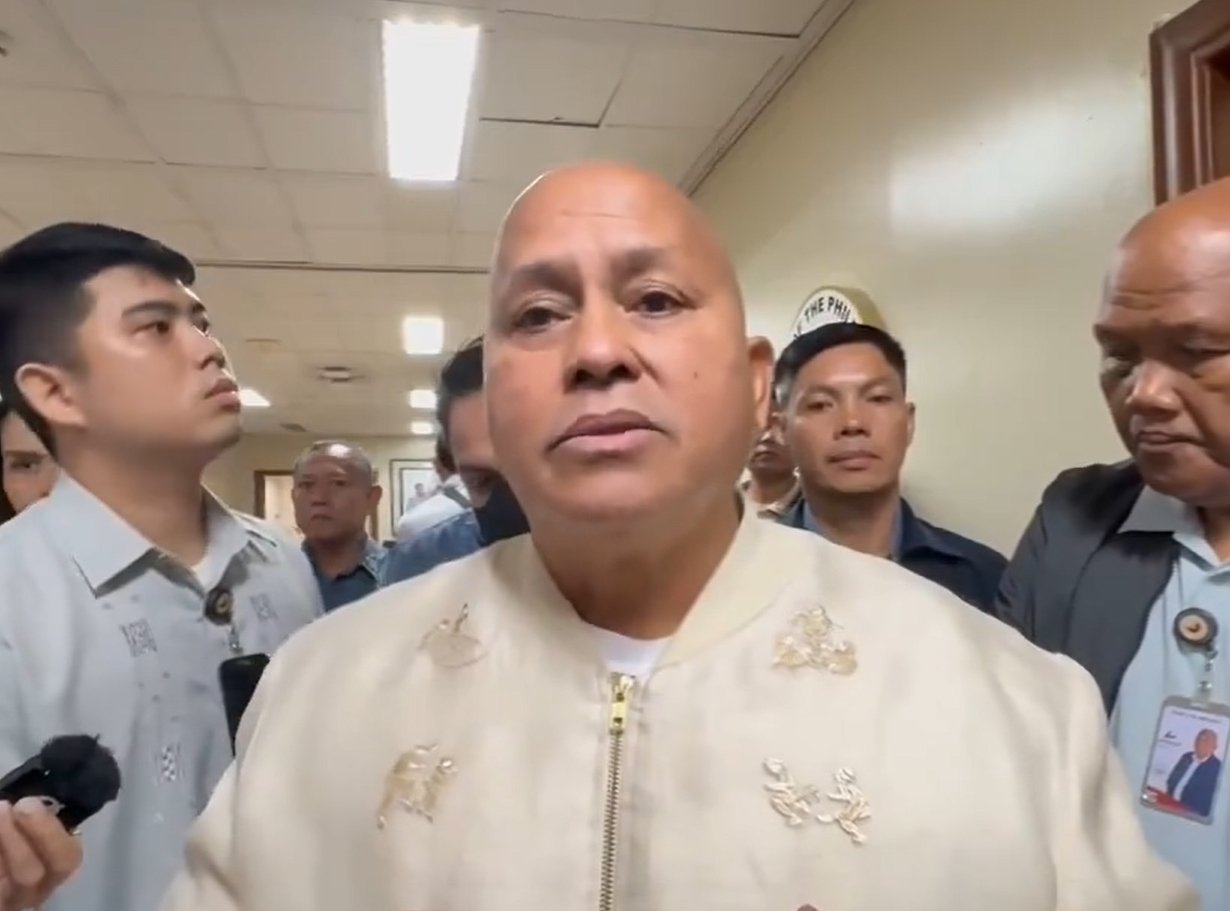
CAGAYAN DE ORO CITY(May 13) — An emotional Ronald dela Rosa returned to the Senate this week amid intensifying tensions over an attempted arrest linked to the International Criminal Court, turning the issue into a fresh flashpoint in the country’s ongoing debate over sovereignty, accountability, and the rule of law.
Appearing before reporters on Tuesday, Dela Rosa admitted he was experiencing the “lowest point” of his life after a dramatic confrontation involving operatives from the National Bureau of Investigation (NBI), who allegedly attempted to serve an ICC warrant while he was inside the Senate premises.
“Don’t send me to The Hague,” Dela Rosa pleaded, acknowledging his fear while insisting that any legal proceedings against him should take place under the Philippine justice system and not before an international tribunal.
The incident reportedly escalated after NBI personnel allegedly chased the senator and clashed with Senate security officers, prompting outrage from Senate leaders who described the incident as a violation of institutional authority and legislative independence.
The warrant was ultimately not served.
Dela Rosa, a former Philippine National Police chief and one of the central figures linked to the Duterte administration’s controversial anti-drug campaign, has long been associated with allegations surrounding extrajudicial killings — accusations repeatedly denied by him and his allies.
The latest confrontation has further polarized public opinion, with supporters framing the ICC’s actions as foreign interference, while critics argue that accountability mechanisms must proceed regardless of political position or institution.
Malacañang has since acknowledged the growing controversy.
Palace Press Officer Claire Castro said President Ferdinand Marcos Jr. is aware of the situation and maintains that the law should prevail.
Amid the political storm, Dela Rosa also revealed that he had not collected his government salary for several months, saying he felt ashamed to receive compensation while absent from Senate sessions during the height of the controversy.
“I am ashamed before the people,” he said in a radio interview.
Meanwhile, newly elected Senate President Alan Peter Cayetano defended the Senate’s position, stressing that the chamber recognizes only arrest warrants issued by Philippine courts.
“Under our Constitution, it has to be a Philippine judge issuing a warrant of arrest,” Cayetano said, while criticizing attempts to prevent a senator from attending legislative proceedings.
The confrontation has reignited broader national questions surrounding the Philippines’ relationship with international accountability institutions, especially after the country’s withdrawal from the ICC during the Duterte administration.
For many observers, the unfolding drama is no longer just about one senator. It reflects a larger struggle between competing narratives of justice, sovereignty, and political accountability — issues likely to remain at the center of national discourse as investigations linked to the drug war continue to evolve.