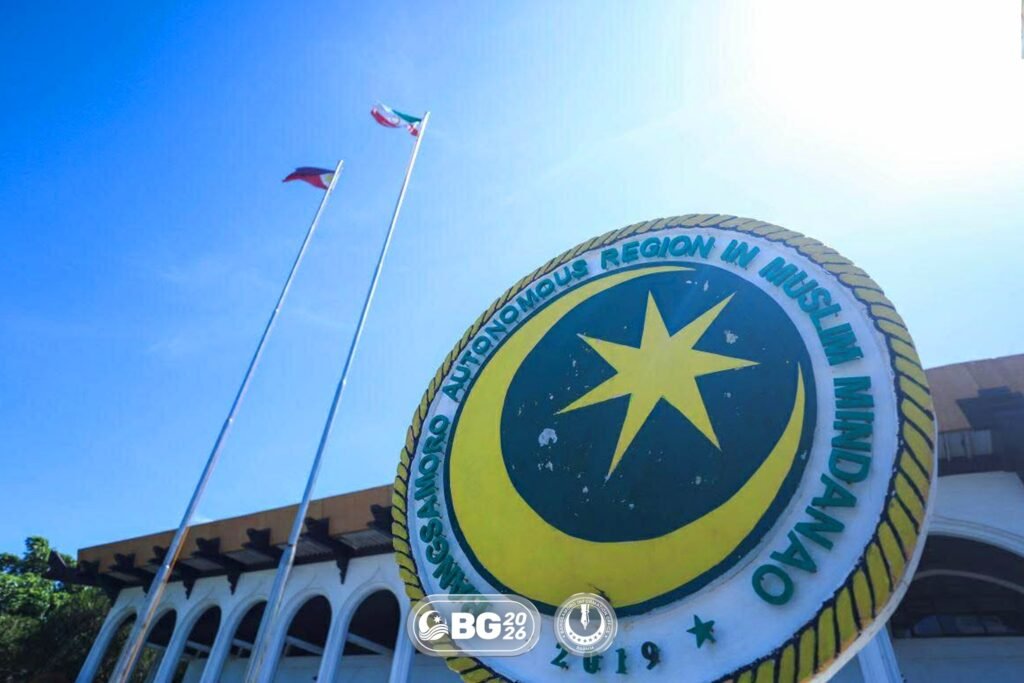
COTABATO CITY (May 18) — The Bangsamoro government is facing one of its biggest credibility crises yet after Abdulraof Macacua ordered Mohagher Iqbal to resign over billions of pesos in transactions flagged by state auditors, warning that failure to step down would leave him “deemed resigned” by May 18.
The unprecedented move signals an attempt by the BARMM leadership to contain the political and institutional fallout from a growing audit scandal involving the Ministry of Basic, Higher and Technical Education (MBHTE) — one that now threatens not only an agency, but the credibility of the Bangsamoro project itself.
At the center of the controversy are Commission on Audit findings involving at least P2.247 billion in procurement transactions and disbursements allegedly marred by missing documents, questionable bidding practices, and possible violations of government procurement rules.
For Macacua, the issue is no longer merely administrative.
In a strongly worded communication dated May 11, the Office of the Chief Minister warned that public trust in the BARMM government has been “seriously eroded,” adding that the scandal now undermines the moral authority of the Bangsamoro leadership at a time when the autonomous region is under intense public scrutiny.
The message carried an unmistakable political undertone: accountability must be seen, and quickly.
Macacua said Iqbal’s resignation was necessary not only to protect the BARMM government, but also to preserve the integrity of the Moro Islamic Liberation Front (MILF), the former rebel group now leading the autonomous region’s transition government.
The audit findings cited by the Office of the Chief Minister paint a troubling picture of procurement oversight inside MBHTE.
Among the most alarming were 53 contracts worth P1.95 billion allegedly awarded despite issues involving misrepresentation in omnibus sworn statements — discrepancies that, under procurement law, could have disqualified certain bidders outright.
Auditors also flagged failures to impose liquidated damages on delayed projects, questioned the legality and eligibility of some joint venture arrangements, and noted delayed submissions of required performance securities by contractors.
But the most politically explosive finding involved at least 73 disbursement vouchers totaling around P2.247 billion that were reportedly processed and fully paid despite lacking mandatory procurement documents required by auditing and procurement regulations.
The Office of the Chief Minister warned that the notices of disallowance already issued by COA may only be the beginning, with more findings potentially emerging as auditors continue reviewing the transactions.
The controversy now places BARMM’s education ministry — one of the region’s most critical and heavily funded agencies — under intense public and political pressure.
It also tests whether the Bangsamoro government, established on promises of reform, transparency, and self-governance, is willing to hold even its most senior officials accountable when questions over public funds arise.
For BARMM leaders, the stakes now go far beyond procurement papers and audit findings. The issue cuts directly into public confidence in a government still trying to prove that autonomy can deliver cleaner and more accountable governance in one of the country’s historically troubled regions.