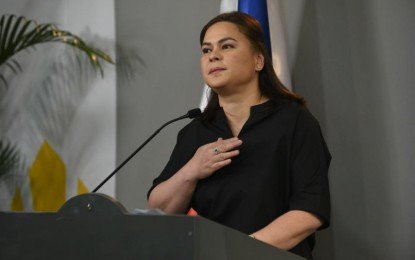
MANILA(May 23)— The Senate’s planned impeachment trial of Vice President Sara Duterte is shaping up not only as a political showdown, but as a defining test of whether the country’s institutions are still capable of demanding accountability from the nation’s most powerful officials.
Senators have agreed to begin the impeachment trial on July 6 after the completion of pretrial proceedings and the formal submission of Duterte’s response to the charges against her.
The Vice President has until June 1 to answer the summons served by the Senate, which has already convened as an impeachment court.
While Congress will officially go on sine die break from June 6 to July 26, senators are expected to continue trial proceedings — a sign of the extraordinary political and constitutional weight now bearing down on the chamber.
At the center of the impeachment complaint are allegations involving misuse of confidential funds, unexplained wealth, bribery, and alleged threats against President Bongbong Marcos.
But among the accusations, legal observers say the unexplained wealth allegations may pose the gravest threat to Duterte because they are tied to financial records and documentary evidence.
Paolo Emmanuel Tamase of the University of the Philippines College of Law said Article II of the impeachment complaint appears strongest because the questions raised go directly to transparency and public accountability.
“The SALN is pretty much the clearest for now because it is documented,” Tamase said, referring to the Vice President’s statement of assets, liabilities and net worth.
The Anti-Money Laundering Council earlier flagged bank transactions tied to Duterte and her husband, Manases Carpio, amounting to P6.77 billion between 2006 and 2025 as suspicious or covered transactions.
Tamase noted that the transactions appeared disproportionate to Duterte’s government salary, while no full public explanation has yet been provided before Congress.
The impeachment proceedings now place the Senate itself under intense public scrutiny.
As senator-judges prepare to hear evidence, questions are emerging over whether political alliances, public pressure, and personal loyalties will outweigh constitutional duty.
Sen. Erwin Tulfo said senators are preparing for continuous proceedings once trial proper begins.
“It is continuous. Our work will be five days,” Tulfo said.
At the same time, controversy has erupted over proposals allowing remote participation by senator-judges — including embattled senator Ronald dela Rosa, who is facing an arrest warrant from the International Criminal Court.
House lead prosecutor Gerville Luistro opposed the proposal, warning that impeachment proceedings require senators to personally witness testimony and evidence because of the seriousness of the process.
The issue has further heightened concerns about whether the impeachment court can maintain public credibility at a time when trust in institutions is already deeply strained.
Senate President Alan Peter Cayetano, who will preside over the impeachment court, has yet to publicly explain the full rules and timetable governing the proceedings.
For many Filipinos, the coming trial is no longer just about the political survival of the Vice President. It is becoming a broader referendum on whether powerful officials can still be compelled to answer difficult questions about wealth, public funds, and abuse of authority under the country’s democratic system.