DAVAO CITY(June 18) — After years of operating a rehabilitation facility for boys, Davao City has finally moved to establish a dedicated Bahay Pag-asa for girls, a long-overdue intervention for female children in conflict with the law (CICL) and children at risk (CAR).
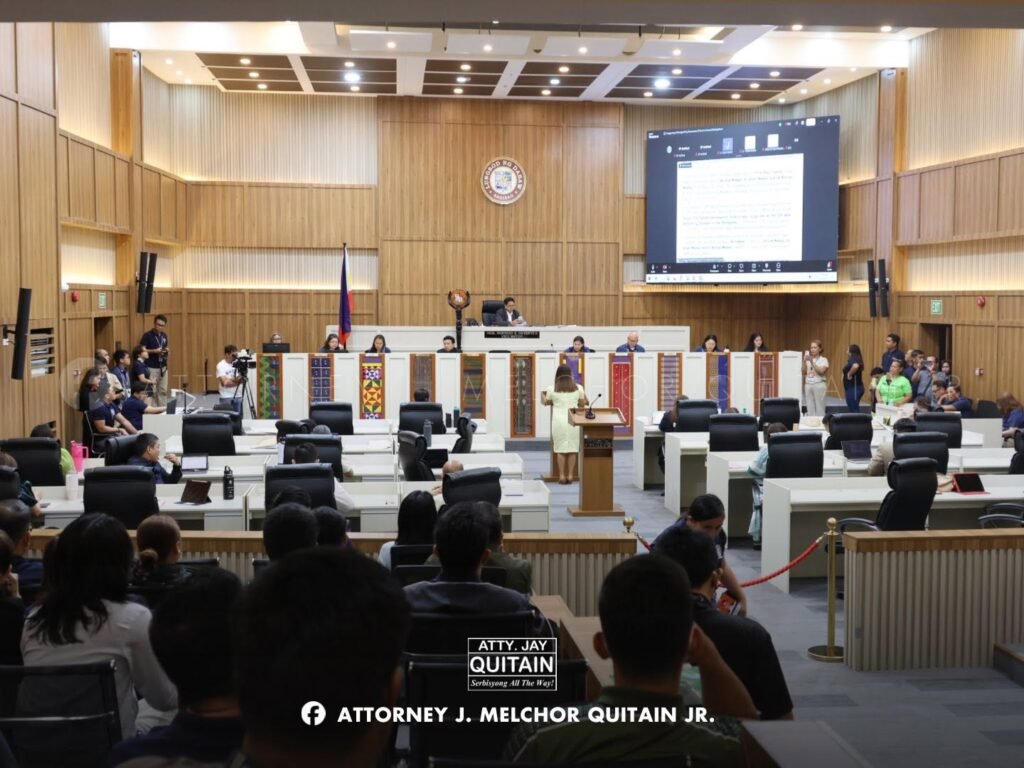
The 21st City Council approved an ordinance on June 17 creating the Children’s Village of Davao City–Bahay Pag-asa for Girls, a residential facility intended to provide shelter, counseling, education, and rehabilitation services for young girls who have come into contact with the justice system.
The move has been welcomed by child rights advocates as a necessary step toward addressing a longstanding gap in Davao City’s juvenile justice program. Yet it also raises questions about why such a facility is only being established now and whether it can adequately respond to the growing social problems confronting vulnerable girls.
For years, female CICLs in Davao City had no dedicated rehabilitation center. While the city operated a Bahay Pag-asa for boys, girls were often housed in facilities designed for adult women or in temporary arrangements that did not fully address their developmental and psychosocial needs.
The City Social Welfare and Development Office (CSWDO) acknowledged this gap in its project proposal, noting that the number of girls requiring intervention has been increasing amid rising social problems affecting children and adolescents.
The new facility, to be constructed in Barangay Biao Escuela, Tugbok District, is expected to serve children from all 182 barangays of Davao City. The project carries a price tag of P108 million, with funding expected from the Philippine Amusement and Gaming Corporation (PAGCOR).
According to city officials, the center will provide 24-hour care and rehabilitation services, including psychosocial interventions, health and nutrition support, counseling, educational assistance, occupational therapy, values formation, family reunification programs, and recreational activities.
The ordinance is rooted in Republic Act 9344, or the Juvenile Justice and Welfare Act, which requires highly urbanized cities and provinces to establish Bahay Pag-asa facilities. The law was enacted two decades ago, raising concerns about why compliance for girls has taken so long.
Beyond legal compliance, however, the facility represents a broader challenge facing Davao City and other urban centers: how to respond to the increasing vulnerability of children amid poverty, family breakdown, online exploitation, substance abuse, violence, and other social pressures.
Child welfare workers note that children who enter the juvenile justice system are often victims themselves—of neglect, abuse, exploitation, or difficult family circumstances. Rehabilitation facilities can provide temporary protection, but they cannot solve the root causes that place children at risk in the first place.
This raises an important question: Is Davao investing enough in prevention?
While Bahay Pag-asa offers a second chance for children already in conflict with the law, experts argue that stronger community-based programs are needed to prevent children from reaching that point. Early intervention in schools, family support services, mental health programs, anti-child exploitation initiatives, and community safeguarding mechanisms remain critical.
Another challenge will be ensuring that the facility does not become merely a holding center. Successful rehabilitation depends not only on buildings and budgets but also on trained social workers, psychologists, educators, and aftercare programs that support children once they return to their families and communities.
The city’s commitment will ultimately be measured not by the construction of the facility alone, but by whether the girls who enter its doors emerge safer, healthier, and better equipped to rebuild their lives.
The approval of the ordinance is undoubtedly a milestone. Yet for many vulnerable children in Davao City, it should be seen as a beginning rather than an end—a reminder that protecting children requires more than shelter. It requires addressing the social conditions that continue to place them at risk.