MARAWI CITY(June 29) — The road to lasting peace in conflict-affected communities begins with protecting the youngest survivors of war.
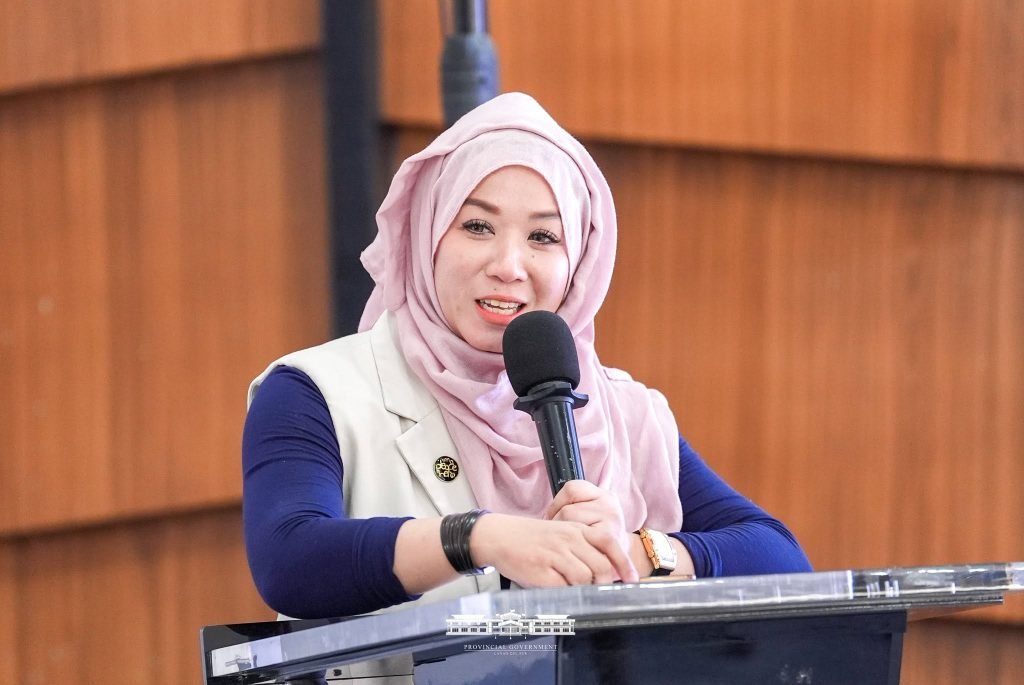
That was the message delivered to local leaders in Lanao del Sur on June 24, as child protection advocate Rohaniza Sumndad-Usman urged stronger systems to help children recover from the physical and emotional scars of armed conflict.
Speaking during a joint council meeting, Sumndad-Usman said children caught in violence are often viewed through a security lens when they should instead be recognized as victims in need of care, healing, and opportunity.
“These are children carrying trauma, disrupted education, loss, stigma, and experiences of violence,” she said. “Under the law, they are children in need of protection and support.”
She emphasized that children affected by armed conflict face challenges different from those experienced by children in conflict with the law or other vulnerable minors, making specialized rehabilitation and reintegration programs essential.
For many of these children, she said, recovery does not end when the fighting stops.
They need continued access to psychosocial support, education, family and community reintegration, peace education, and long-term aftercare to rebuild their lives.
To make this possible, Sumndad-Usman proposed creating a provincial committee dedicated to coordinating services for conflict-affected children, bringing together agencies and organizations responsible for rehabilitation, reintegration, and peacebuilding.
She said the initiative could make Lanao del Sur a model for child-centered peacebuilding in the country.
“With the leadership of our governor and vice governor, Lanao del Sur has the opportunity to become a pioneering province in establishing a comprehensive child-centered approach to rehabilitation, reintegration, and peacebuilding,” she said.
Beyond protecting vulnerable children, Sumndad-Usman said the effort is an investment in the province’s future.
Children who receive care, guidance, and opportunities to heal are more likely to grow into citizens who reject violence and help build stronger, more peaceful communities.
The proposed approach also supports the national government’s whole-of-nation peace and development agenda by strengthening local systems that protect conflict-affected children while promoting lasting peace in communities that have long endured armed violence.