ISABELA CITY, BASILAN (April 10) — Confronted with the ripple effects of surging global oil prices, the Bangsamoro Autonomous Region in Muslim Mindanao government has created a multi-agency task force aimed at shielding communities from rising transport fares, food costs, and service disruptions.
Through Executive Order No. 0003, Series of 2026, the Bangsamoro Government established the Bangsamoro Oil Crisis Impact Task Force (BOCITF)—a centralized body tasked with crafting both immediate relief measures and long-term energy strategies.
The move comes as fuel price volatility continues to strain local economies, particularly in geographically isolated and conflict-affected areas like Basilan and other parts of the Bangsamoro region.
Whole-of-government response
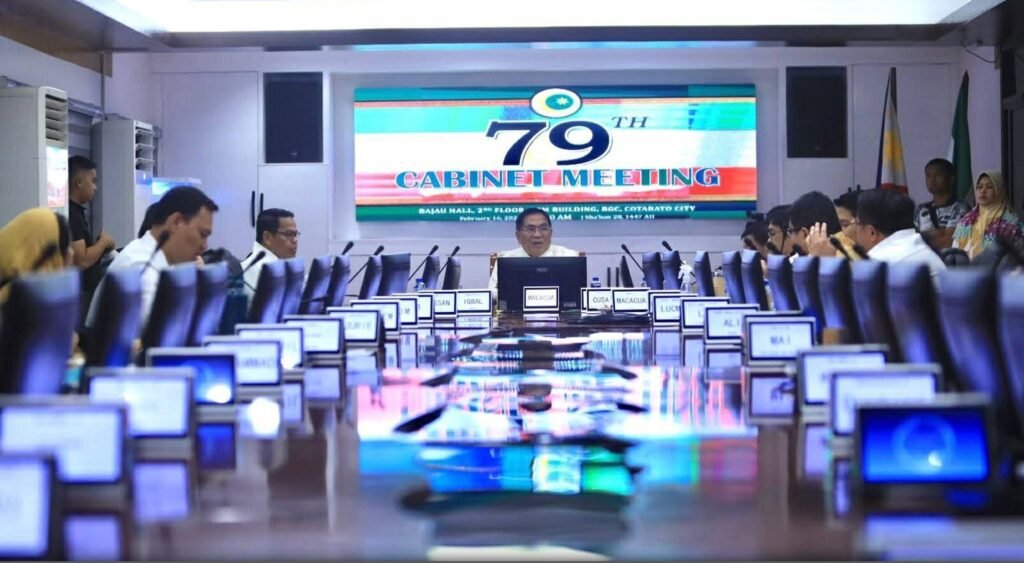
The task force is chaired by Interim Chief Minister Abdulraof Macacua and brings together key ministries spanning transport, trade, social services, education, agriculture, public works, and health—signaling a whole-of-government approach to what officials describe as a “multi-sector crisis.”
Its secretariat will be handled by the BARMM Rapid Emergency Action on Disaster Incidence (READi), which will provide technical support and real-time monitoring.
Three-pronged strategy
At its core, the BOCITF is mandated to address the crisis through three major fronts:
- Monitoring and assessment — Conducting rapid, data-driven analysis of how rising oil prices are affecting transportation, food supply chains, and public services across the region.
- Emergency interventions — Recommending immediate mitigation measures such as energy conservation protocols, fuel-saving strategies, and targeted subsidies or social protection for vulnerable sectors.
- Resource management — Exploring long-term solutions, including the legal and technical feasibility of sourcing fuel directly or tapping alternative supply channels to stabilize prices.