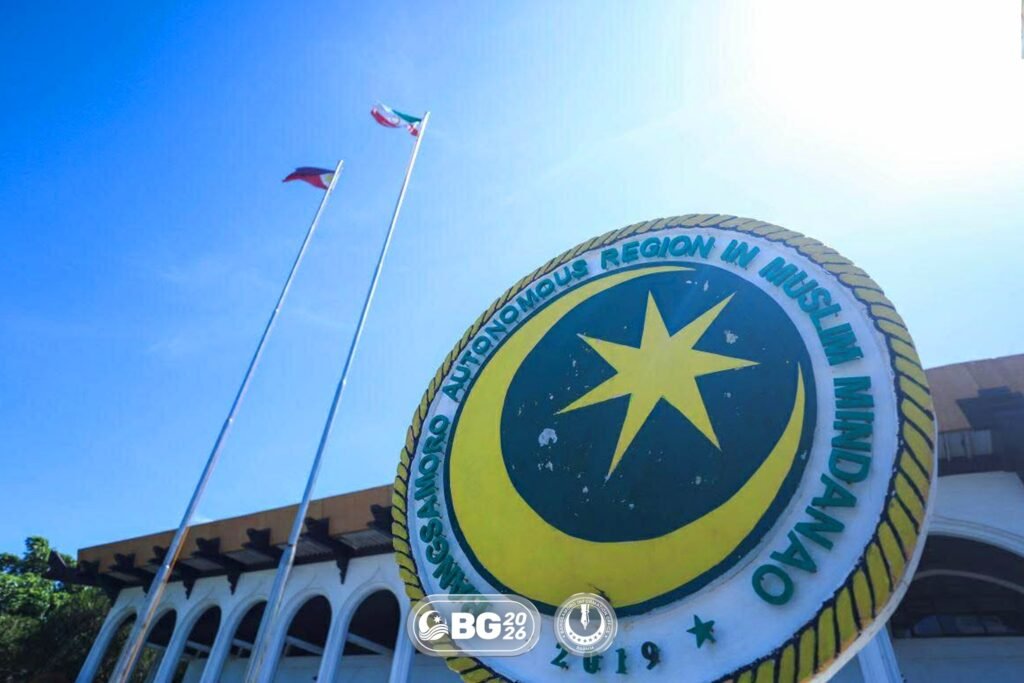
COTABATO CITY (June 26) — With less than three months before the first-ever Bangsamoro Parliamentary Elections (BPE), attention across the Bangsamoro Autonomous Region in Muslim Mindanao (BARMM) is increasingly turning to what many consider the most important political exercise since the signing of the peace agreements that paved the way for self-rule in the region.
The September 14 elections are expected to mark the formal transition of BARMM from an interim governing arrangement into a fully elected parliamentary government, a milestone that peace advocates, former combatants, and communities affected by decades of conflict have awaited for years.
For election officials, the message is clear: preparations are moving forward.
Speaking during the Bangsamoro Parliamentary Election Forum in Zamboanga City, Commission on Elections Chairman George Garcia emphasized that there is currently no legal basis to postpone the polls.
The assurance comes amid continuing discussions in Congress over proposals related to the conduct of the elections. Garcia noted that while lawmakers have the authority to act on pending measures, the Comelec remains duty-bound to prepare for the elections as scheduled.
The Bangsamoro polls have already been postponed several times since BARMM was established in 2019. For many residents, another delay could risk undermining public confidence in the transition process and prolonging uncertainty over the region’s political future.
Yet beyond questions of timing lies a much larger challenge.
The upcoming elections will be the first opportunity for Bangsamoro voters to directly choose representatives to the regional parliament under the system envisioned in the Bangsamoro Organic Law. Unlike traditional local elections, the parliamentary setup is designed to encourage coalition-building and issue-based governance while giving the region greater control over its own affairs.
For supporters of the peace process, the elections are not merely about selecting leaders. They are a test of whether democratic institutions can effectively replace the politics of armed conflict, patronage, and exclusion that have historically fueled instability in parts of Mindanao.
However, significant concerns remain.
Political clans continue to wield considerable influence across many areas of BARMM, raising questions about whether new political actors, women, youth, indigenous peoples, and marginalized sectors will be able to compete on an equal footing. Civil society organizations have also stressed the need for broader voter education, noting that many citizens are still unfamiliar with how the parliamentary system works and how party-list voting differs from traditional electoral contests.
Security remains another critical concern. Although violence in the region has generally declined compared to previous decades, election-related tensions, clan conflicts, and the presence of armed groups continue to pose risks in some communities.
Government security agencies have intensified coordination and planning efforts ahead of the polls, recognizing that a peaceful and credible election will be essential to sustaining public trust in the Bangsamoro project.
The stakes extend beyond BARMM itself.
The success or failure of the September elections will be closely watched nationally and internationally as a measure of the Philippines’ long-running peacebuilding efforts. A credible electoral exercise could strengthen confidence in democratic governance and reinforce gains achieved through years of negotiations. Conversely, major disruptions, violence, or questions about legitimacy could complicate the region’s path toward lasting stability.
For many Bangsamoro residents, the approaching election represents more than a political event. It is the culmination of decades of struggle for meaningful self-determination and an opportunity to shape the institutions that will govern future generations.
As preparations continue, the central question is no longer whether the elections will push through, but whether they will fulfill the promise of a more inclusive, accountable, and peaceful Bangsamoro.
The answer may define the next chapter of autonomy in the region.