GENERAL SANTOS CITY (July 3) — The rescue phase may be ending, but Sarangani Province’s greatest challenge is only beginning.
Weeks after a magnitude-7.8 earthquake rocked the province, government officials are shifting from emergency response to the far more complex task of rebuilding communities, reviving livelihoods and ensuring reconstruction leaves the region better prepared for the next disaster.
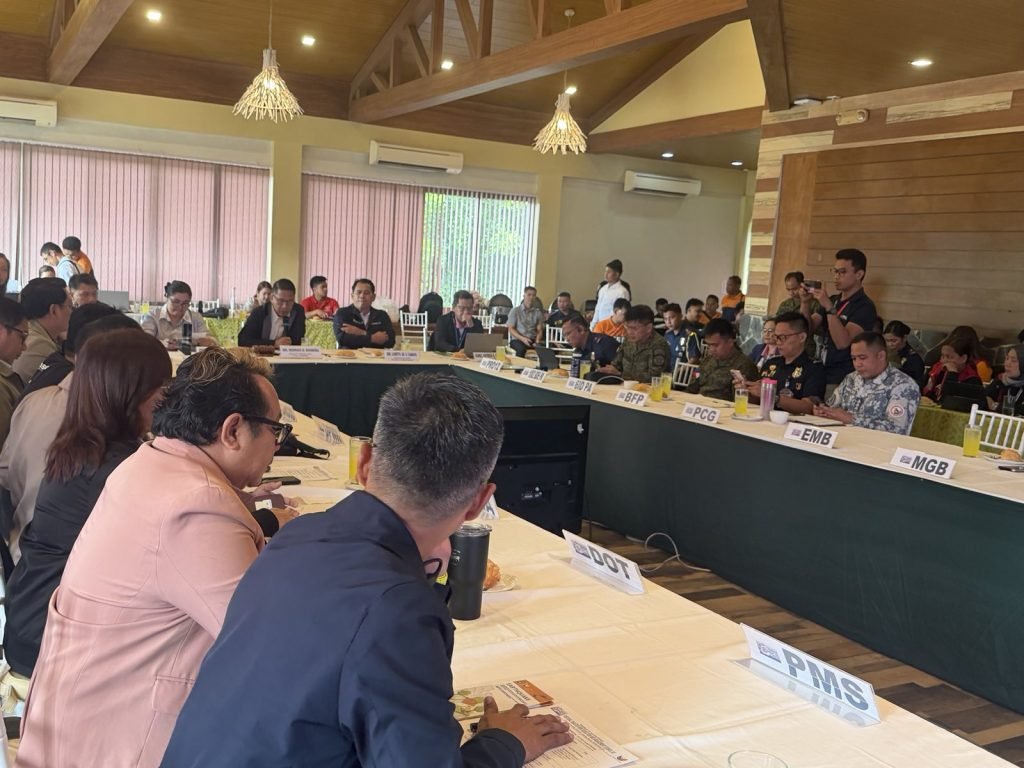
At its second-quarter meeting on June 30, the Soccsksargen Regional Disaster Risk Reduction and Management Council (RDRRMC) approved key resolutions to jump-start recovery, including endorsing Sarangani’s Early Recovery Plan to the National Disaster Risk Reduction and Management Council (NDRRMC) and seeking rehabilitation funds under the 2027 General Appropriations Act.
The move underscores a hard reality after major disasters: relief operations end quickly, but recovery can take years.
To avoid delays in rebuilding, the Department of Budget and Management proposed reprioritizing portions of the 2026 national budget to finance urgent rehabilitation projects while waiting for the 2027 budget to be approved. The regional council also appealed to SOCCSKSARGEN lawmakers to secure long-term funding for reconstruction.
Officials said recovery must go beyond replacing damaged infrastructure. The plan prioritizes restoring livelihoods through cash-for-work programs, helping businesses reopen, rebuilding schools and public facilities, maintaining health and social services, and integrating disaster risk reduction into future development.
The council likewise urged the Department of Science and Technology to modernize earthquake, rainfall and tsunami monitoring stations across local government units, recognizing that stronger early warning systems are as critical as rebuilding damaged communities.
Office of Civil Defense Regional Director Rod Sosmeña said the region is entering a pivotal stage of disaster management.
“This meeting is an opportunity to assess our response efforts and unify our shared commitment as we transition from emergency response to recovery in building greater resilience,” Sosmeña said.
The Office of Civil Defense’s 12-month Early Recovery Plan is designed to bridge immediate humanitarian assistance and long-term rehabilitation by coordinating funding, government interventions and monitoring mechanisms through July 2027.
For Sarangani, the challenge is no longer surviving the earthquake but sustaining the resources and political will needed to rebuild. The success of the recovery effort will ultimately be measured not only by how quickly roads, schools and public buildings are restored, but by whether communities emerge stronger and less vulnerable when the next major disaster strikes.