DAVAO CITY (May 8) — Residents across the Davao Region are being warned to prepare for hotter days, dwindling water supply, and possible crop losses after DOST-PAGASA raised an El Niño alert, signaling the possible return of a long and punishing dry season.
The state weather bureau said there is now a 79-percent chance that El Niño conditions will develop between June and August 2026 and may linger until early next year — a climate event that could heavily impact farming communities, water sources, and public health across Mindanao.
The dry conditions are no longer just forecasts. Several parts of the Davao Region are already feeling the effects.
Davao City, along with Davao del Norte and Davao del Sur, are now under a “dry spell” classification after recording three straight months of below-normal rainfall.
Meanwhile, Davao Occidental and Davao Oriental are experiencing “dry conditions,” an early warning stage that often worsens when El Niño fully sets in.
PAGASA projections show temperatures in lowland Mindanao areas could climb as high as 38.2°C in the coming months, with the intense heat expected to persist through October.
For many residents, the warning brings memories of previous El Niño episodes that dried up farms, reduced harvests, and forced some communities to ration water.
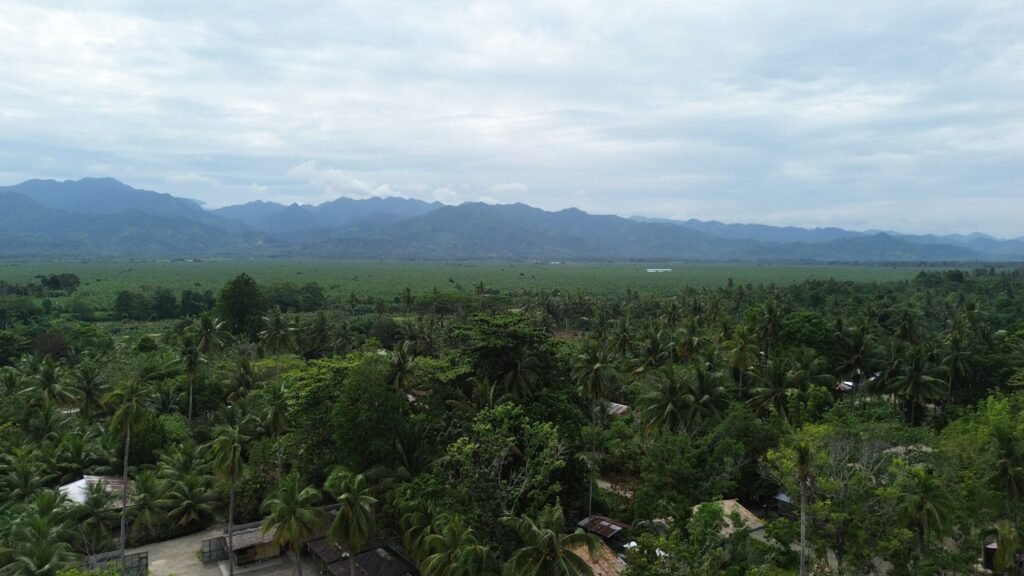
Farmers are expected to be among the hardest hit once rainfall drops further. Reduced soil moisture can stunt crops and worsen pest infestations, threatening the region’s major agricultural products such as bananas, coconuts, rice, corn, and cacao.
Water supply is also becoming a growing concern as rivers, streams, and groundwater levels may decline if the dry spell intensifies. Experts warn this could affect irrigation systems, household consumption, and even power generation in some areas.
Health risks are also expected to rise as hotter weather creates favorable conditions for diseases such as dengue and malaria, while prolonged heat exposure may trigger dehydration and heat-related illnesses.
Environmental threats could worsen as well, with dry vegetation increasing the possibility of forest fires and land degradation in vulnerable upland communities.
PAGASA is urging households to begin conserving water early by collecting rainwater, reusing laundry water for cleaning purposes, and limiting unnecessary consumption. Farmers are also advised to coordinate closely with local agriculture offices and secure crop insurance before the dry months peak.
Local disaster officials are being encouraged to intensify monitoring and preparedness measures while there is still time.
Despite the generally dry outlook, PAGASA noted that some western sections of the country may still experience occasional heavy rains during the Habagat or southwest monsoon season.
But for many communities in Davao, the latest alert is a reminder that the region may once again be heading into months where every drop of water — and every harvest — will matter.