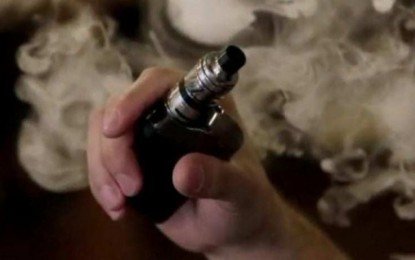
CAGAYAN DE ORO CITY (May 11) — With vape use rapidly spreading among young Filipinos, the Department of Health is again pushing for a total ban on vape products, warning that flavored electronic cigarettes are creating a new public health threat that communities may soon struggle to contain.
In a renewed appeal, the DOH said banning vape products outright remains the “simplest and most economically viable solution” to protect public health, especially among minors increasingly drawn to sweet and colorful vape products.
“The department is still strongly promoting the enactment of a total ban on vaping in the Philippines due to its negative health effects,” the agency said in a social media post.
Health officials warned that flavored vape products continue to hook young users by disguising nicotine addiction behind candy-like flavors, trendy packaging, and social media-driven marketing.
Under Republic Act No. 11900, vape products marketed using flavor descriptors linked to fruits, desserts, candy brands, or cartoon characters may already be prohibited if these are found to appeal to minors.
But public health advocates say enforcement remains weak, allowing vape products to remain easily accessible near schools and through online sellers.
“The Department of Health is calling for the prioritization of the removal of various vape flavors from the market to prevent young people from being enticed into continuing to use them,” the DOH said.
The agency also urged the Philippines to follow neighboring Asian nations that have imposed strict vape prohibitions, including Singapore, Thailand, Vietnam, and Brunei.
In many Mindanao communities, parents, teachers, and youth advocates are now raising concerns over the growing normalization of vaping among teenagers, with some schools reportedly struggling to curb vape use inside campuses.
Community leaders warn that if regulations remain loosely enforced, local governments and families may eventually carry the social and healthcare burden of rising nicotine addiction among the youth.
For health workers, the issue is no longer just about personal choice — but accountability.
They say stronger regulation, tighter monitoring of vape sales, and community-based education campaigns are urgently needed before another generation becomes dependent on nicotine disguised as a lifestyle trend.