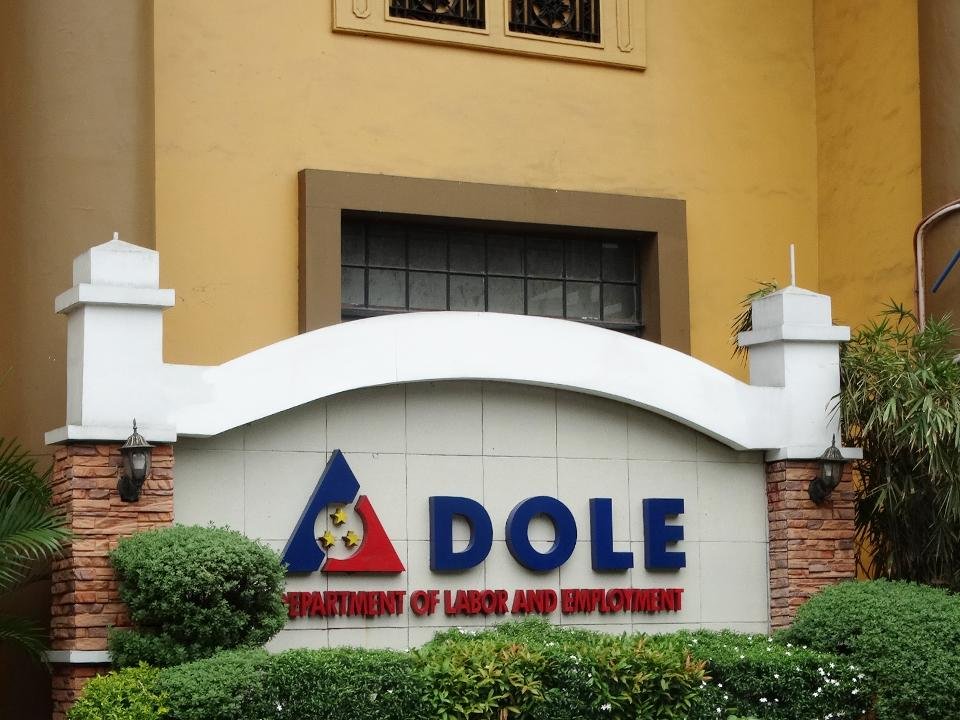
ZAMBOANGA CITY (May 1) — A new partnership among labor agencies and local employment offices is aiming to stop workplace disputes before they turn into full-blown conflicts.
The Department of Labor and Employment, together with the National Conciliation and Mediation Board and local stakeholders, signed a Memorandum of Understanding (MOU) on Alternative Dispute Resolution (ADR) on April 28, 2026, during a mobile meeting in Margosatubig, Zamboanga del Sur.
The agreement brings together DOLE, NCMB, Public Employment Service Office (PESO) managers, and members of the Job Placement Officers Association Inc., strengthening coordination in handling labor concerns at the community level.
Preventing disputes before they escalate
DOLE-Zamboanga Peninsula Director Albert Gutib said the agreement is designed to build a stronger early response system for labor-related issues, allowing concerns to be addressed before they reach formal dispute stages.
“Through this partnership, we strengthen early intervention and conciliation efforts at the local level,” Gutib said, stressing the importance of faster coordination among frontline labor officers.
Under the MOU, PESO managers and job placement officers will be trained to handle early referrals, facilitate conciliation, and coordinate properly with DOLE and NCMB offices.
Bringing mediation closer to workers
The initiative aims to make dispute resolution more accessible to workers and employers, particularly in communities where formal labor processes can be slow or difficult to access.
NCMB-Zamboanga Peninsula Director Gerie Lampitoc said strengthening Alternative Dispute Resolution at the grassroots level helps prevent unnecessary escalation of workplace conflicts.
“When issues are addressed early, we avoid disruption in workplaces and maintain more stable labor relations,” Lampitoc said.
Frontline role of local employment offices
Local PESO managers and job placement officers committed to support the implementation of the agreement through future training and closer coordination with labor agencies.
For workers, the system is expected to provide quicker access to assistance, especially in cases involving wage concerns, contract disputes, or workplace conditions.
A PESO officer from Zamboanga del Sur said the agreement formalizes what many offices already try to do informally.
“Most of the time, workers come to us first before going anywhere else. Now we have clearer support and structure to help them resolve issues earlier,” the officer said.
Building industrial peace from the ground up
The MOU reflects a broader push to decentralize labor dispute resolution and strengthen preventive mechanisms outside major urban centers.
Officials said the goal is not only to resolve conflicts but to prevent them—by empowering local actors who are closest to workers and employers.
As implementation begins, labor agencies hope the agreement will reduce friction in workplaces and reinforce what they describe as “industrial peace through early dialogue.”