MANILA (March 20) — Rising global oil prices linked to the Middle East conflict are putting pressure on Filipino households, sharpening public demands for immediate government action on food affordability, employment, and corruption, according to a Pulse Asia survey commissioned by Stratbase Institute.
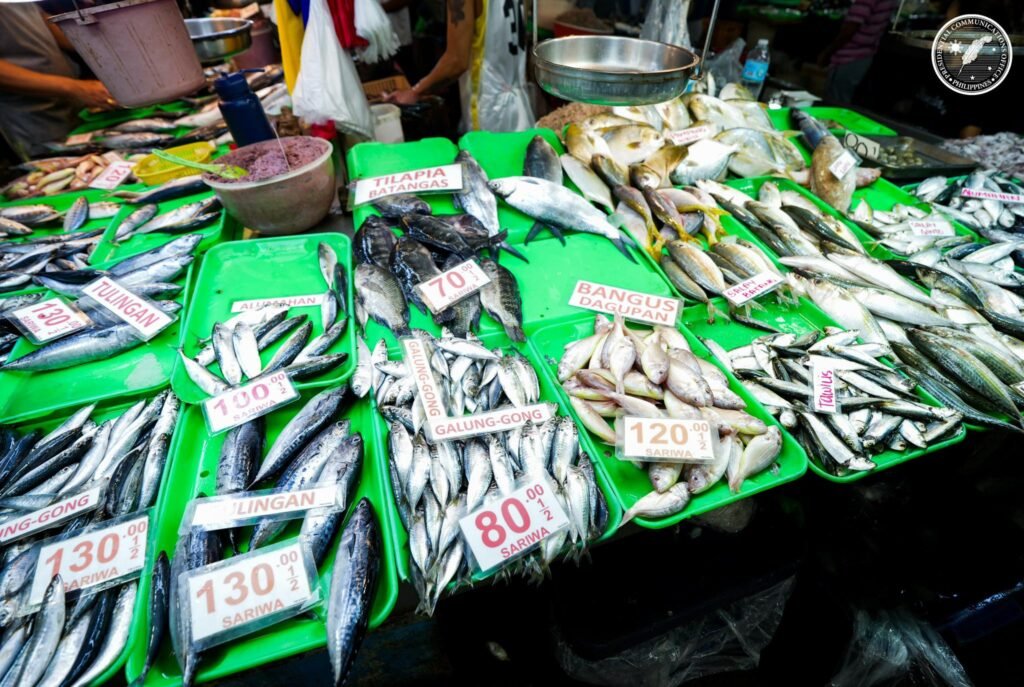
The survey, conducted from Feb. 27 to March 2, 2026, among 1,200 respondents (±2.8% margin of error), found that 41 percent of Filipinos cited lowering food prices, particularly staples like rice, meat, and fish, as the government’s most urgent task—up from 38 percent in December 2025.
Regional and socioeconomic trends
- Balance Luzon and Mindanao saw the biggest jump in food affordability concern, rising to 46 percent from 41 percent and 40 percent, respectively.
- Class E households—the lowest-income bracket—registered a seven-point increase, with 40 percent prioritizing cheaper food.
- Job creation climbed to 24 percent nationally (from 21%), with the Visayas registering a sharp surge from 27 percent to 43 percent.
- Efforts to address corruption ranked second at 26 percent, down slightly from 31 percent in the previous survey.
- Calls for improved education and healthcare remained at 10 percent, unchanged from December.
Victor Andres Manhit, Stratbase president, said the findings reflect growing public anxiety over inflation and food security. “Geopolitical tensions are directly affecting Filipino households,” he noted. “While corruption remains important, citizens are increasingly focused on immediate economic pressures, including food prices and income stability.”
Implications for policymakers
- Stabilizing food and fuel prices is now a top priority for citizens, particularly low-income families.
- Anti-profiteering measures and expanded subsidies for vulnerable sectors are seen as essential to shield households from price shocks.
- Creating more local jobs is critical to complement price stabilization efforts, ensuring that economic gains are distributed across communities.